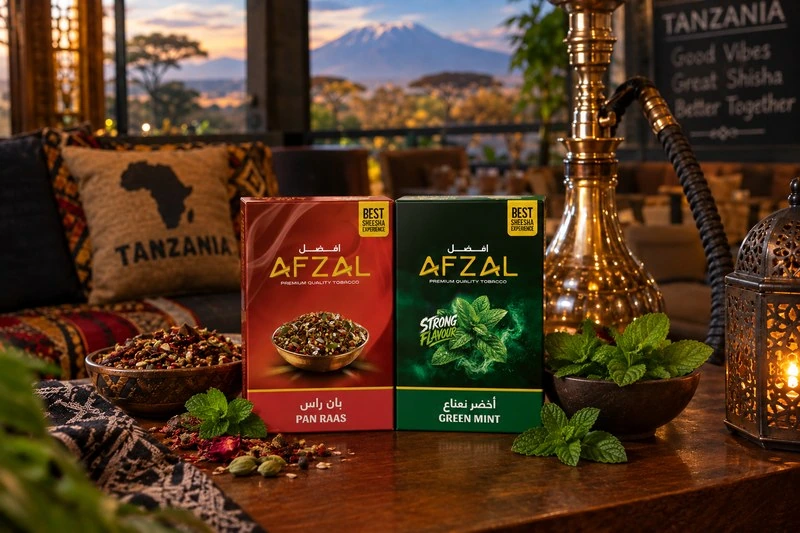

For an importer, wholesaler or distributor building a shisha portfolio for Tanzania, choosing flavours is not simply a matter of selecting the longest catalogue. Buyers need to understand how each flavour is positioned, how consistently its defining characteristics are represented, and whether the overall range fits the accounts they intend to serve. Businesses already evaluating commercial supply can review Afzal shisha flavours for wholesale distribution in Tanzania; this guide focuses on the step before the commercial enquiry: how to evaluate flavour quality and portfolio fit.
Consider a distributor comparing four very different Afzal profiles: Double Apple, Green Mint, Pan Raas and Mojito. All belong to the same broader portfolio, yet judging them by one universal idea of “good flavour” would miss the point. A fruit-led profile, a cooling mint, an aromatic spicy blend and a beverage-inspired flavour are designed around different identities. B2B evaluation therefore starts with a simple question: does each product clearly and consistently represent the profile it is meant to deliver?
What Does Shisha Flavour Quality Mean for a B2B Buyer?
For trade buyers, flavour quality is best treated as a combination of sensory identity, physical product characteristics, packaging integrity and repeat-order consistency. No single observation should be used as a universal quality score.
- Flavour profile and category identity
- Aroma in relation to the stated profile
- Consistency across comparable supplied units or batches
- Texture and moisture characteristics
- Cut or particle consistency, where applicable
- Colour and general appearance
- Packaging integrity and product identification
- Available product specifications and batch information
Afzal groups its portfolio into Fruit, Cool, Spicy, Sweet and Beverage directions. Buyers who want to understand the broader range can explore the Afzal hookah flavour portfolio before comparing individual profiles.
A Tanzania Buyers Evaluation Journey: Four Different Profiles
Imagine a Tanzanian distributor preparing a focused assortment for several B2B accounts. Instead of starting with price, the buyer first selects four contrasting profiles. This creates a practical test of whether the proposed range offers genuine variety rather than several products serving the same flavour direction.
1. Double Apple: Evaluating a Fruit-Led Profile
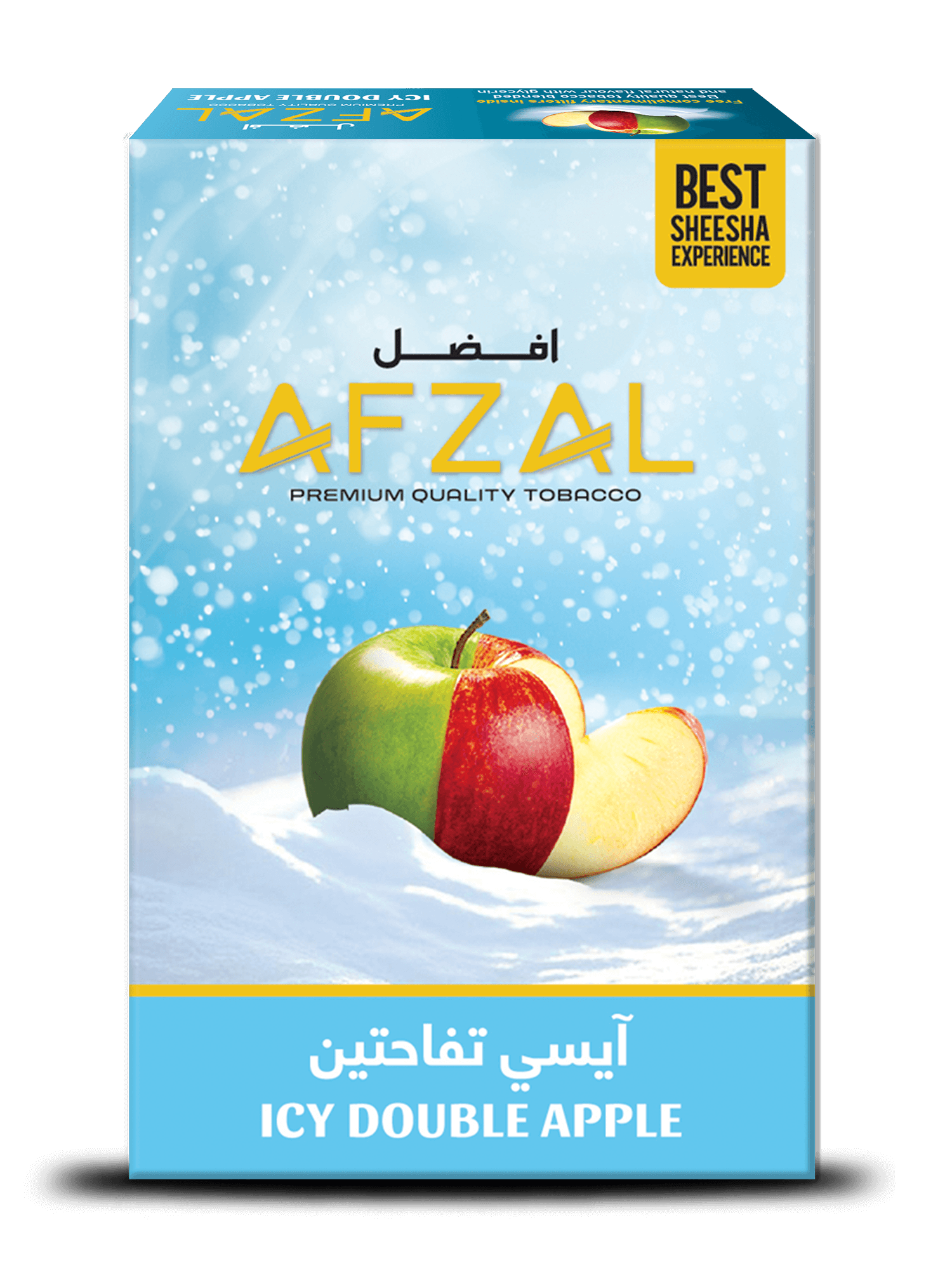
Double Apple sits in the Fruit range and provides an apple-led reference point. The buyer’s task is not to compare it with mint or spice profiles, but to assess whether its aroma, appearance and other product characteristics align with the defined fruit identity and remain comparable across repeat supply.
For portfolio planning, Double Apple can represent the familiar fruit side of the assortment. That gives the distributor a baseline before adding flavours that serve distinctly different profile families.
2. Green Mint: Evaluating Cooling Character
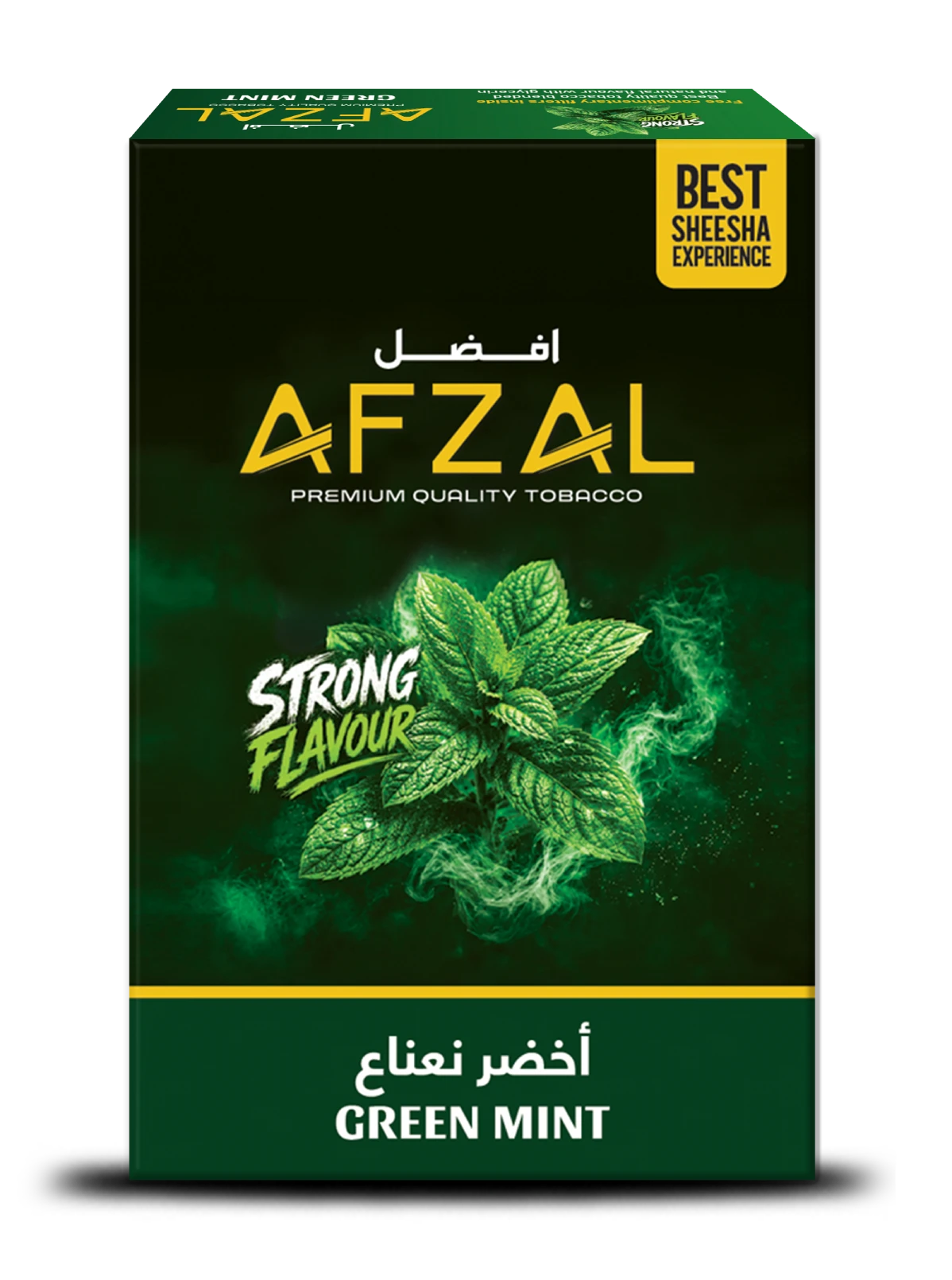
Green Mint moves the evaluation into the Cool range. A buyer should expect the product identity to be mint- and cooling-oriented rather than fruit-led. This is why category context matters: the same sensory expectations should not be imposed on Double Apple and Green Mint.
From a B2B assortment perspective, the question becomes whether a cooling profile adds a clearly differentiated option to the proposed catalogue rather than duplicating another flavour’s role.
3. Pan Raas: Evaluating an Aromatic, Spice-Oriented Profile
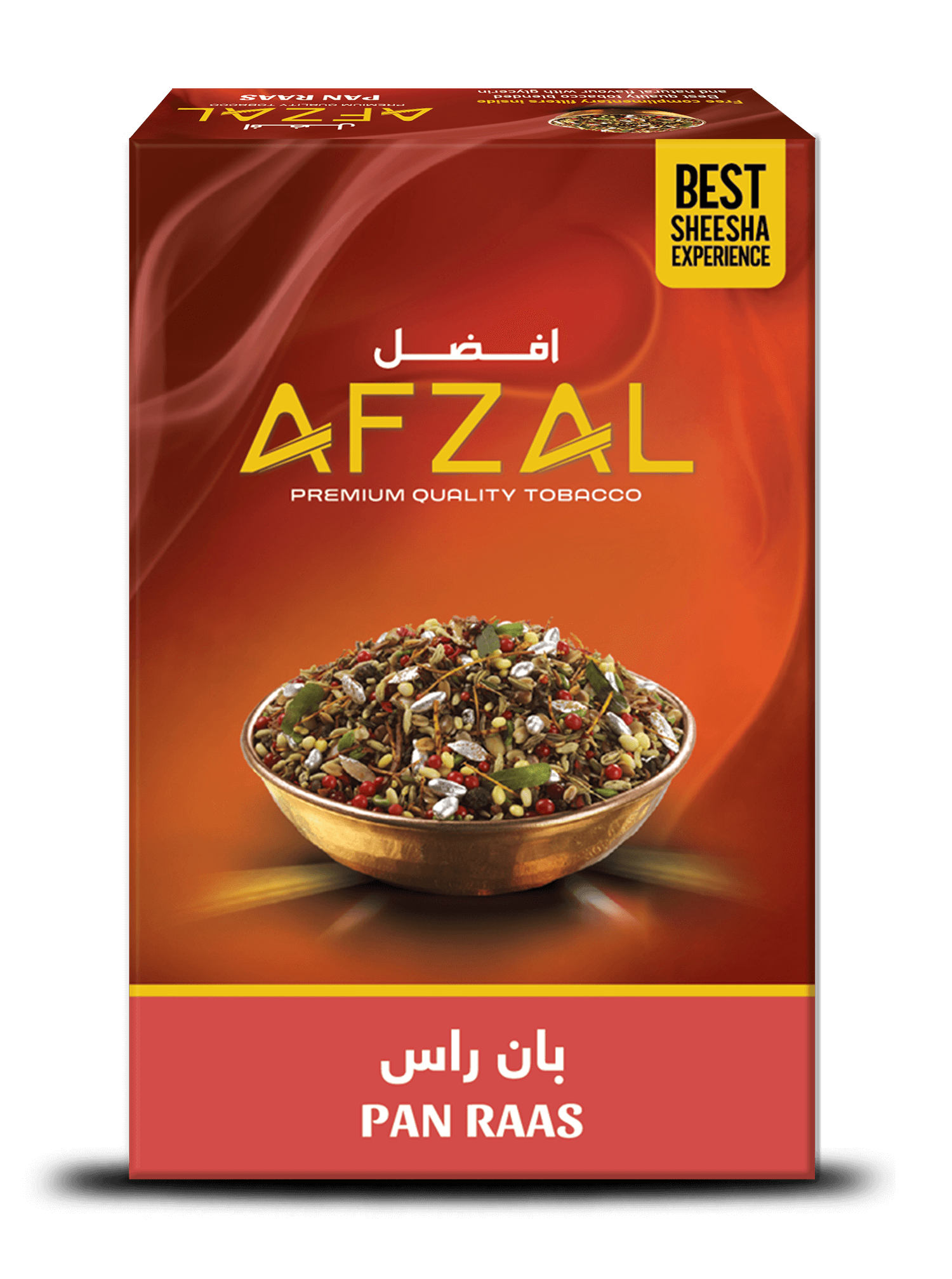
Pan Raas belongs to the Spicy range and introduces a more aromatic, spice-oriented direction. Its role in the evaluation is useful because it forces the buyer to move beyond fruit-versus-mint comparisons and consider whether the portfolio contains a recognizably different flavour family.
The correct comparison is therefore not “Is Pan Raas better than Double Apple?” but “Does Pan Raas consistently express the characteristics expected from its stated profile, and does that profile serve a useful place in the intended B2B assortment?”
4. Mojito: Evaluating a Beverage Inspired Direction
Mojito provides a beverage-inspired profile. It demonstrates why a distributor should evaluate flavour identity first and commercial terms second. If four selected products all serve essentially the same flavour direction, a large SKU count may still produce a narrow portfolio. Distinct flavour families can create a more balanced range.
The Seven Parameters to Check Before Comparing Commercial Terms
1. Flavour identity
Start with the product’s intended profile. A clear definition gives the buyer a reference for every later observation.
2. Aroma
Consider aroma alongside the stated flavour direction. It is a supporting characteristic of product identity, not a standalone quality verdict.
3. Consistency
For repeat B2B purchasing, comparable characteristics across supplied orders or batches can support more predictable portfolio management.
4. Texture and moisture
Observe physical characteristics in relation to the specific product specification. Avoid applying one visual or tactile standard to every flavour.
5. Cut and appearance
Where relevant, cut, particle structure, colour and general appearance can help confirm that supplied products correspond with the expected format.
6. Packaging
Check pack integrity, product identification, net weight, label information and available batch or production details.
7. Product information
Use the available specifications to separate objective product characteristics from an account’s subjective flavour preference.
Quality vs. Preference: A Critical Distinction for Distributors
A buyer may have one account asking for fruit-led profiles and another preferring cooling, spicy, sweet or beverage-inspired options. That difference does not automatically indicate a difference in product quality. Preference describes what an account wants to stock; quality evaluation asks whether the product corresponds with its defined characteristics and specifications.
Keeping those two ideas separate helps a distributor avoid overreacting to individual account preferences and instead build a portfolio around identifiable flavour families, repeatability and commercial demand.
Why Batch Consistency Matters in Repeat B2B Supply
A first sample can introduce a product, but distributors make longer-term decisions around repeat supply. When the same flavour is ordered again, buyers may compare flavour identity, aroma, texture, appearance, cut, packaging and stated specifications with previous supply.
Consistency should still be treated as one part of overall evaluation rather than the entire definition of quality. Differences between product families are expected; the relevant comparison is the same product against its defined profile and specification over time.
How to Build a Balanced Afzal Flavour Portfolio
Once individual products have been evaluated, the next task is assortment design. A balanced B2B portfolio does not necessarily mean carrying every available flavour. It means selecting sufficiently differentiated profiles to match the requirements of target buyers while avoiding unnecessary duplication across the range.
For portfolio comparison, distributors and wholesalers can group Afzal flavours into broad flavour families:
- Fruit: Double Apple, Watermelon, Grape, Blueberry and Mango
- Cool: Green Mint, Mint, Lemon Mint and Spearmint
- Spicy: Pan Raas, Chief Commissioner and Bombay Pan Masala
- Beverage: Mojito and other beverage-inspired profiles
- Sweet: Sweet, dessert and confectionery-oriented profiles
This approach gives B2B buyers a clearer view of the available flavour mix and helps them assess whether their wholesale portfolio has sufficient variety across different flavour families without unnecessarily duplicating similar profiles.
For a wider view of the brand architecture and available flavour families, see the Afzal wholesale flavour range.
From Product Evaluation to Commercial Sourcing
Only after the buyer has identified the right flavour mix should commercial variables become the main focus. Pack format, minimum order quantity, samples, pricing, availability, lead time and repeat-order requirements affect procurement, but they are not measures of flavour quality.
Tanzania buyers ready to move from evaluation to sourcing should use the dedicated Tanzania wholesale and distributor for current commercial information rather than treating this quality guide as a price or distributor page.
Businesses evaluating a broader multi-market distribution relationship can also review the global hookah flavour distributor programme.
Afzal and SOEX Herbal are different product lines
Afzal and SOEX Herbal should not be grouped as if they were the same product line. Afzal is the tobacco-based shisha molasses brand discussed in this guide, while SOEX Herbal is a separate tobacco-free and nicotine-free range. Keeping that distinction clear is important for product specifications, catalogue structure and B2B communication.
For manufacturer and brand context across the wider portfolio, visit SOEX.
A Practical B2B Evaluation Checklist
- Identify the intended flavour family and profile.
- Compare aroma with the stated flavour identity.
- Review texture, moisture, cut and appearance in context.
- Inspect packaging, labelling, net weight and available batch information.
- Separate account preference from product-quality assessment.
- Compare repeat supply for consistency where applicable.
- Build the assortment across distinct flavour families.
- Only then compare MOQ, pack formats, pricing, availability and lead time.
Frequently Asked Questions
What determines shisha flavour quality for B2B buyers?
B2B evaluation can include flavour profile, aroma, consistency, texture, moisture characteristics, cut, appearance, packaging and relevant product specifications. These factors should be considered together and in relation to the individual product.
Why should different Afzal flavour categories be evaluated differently?
Fruit, Cool, Spicy, Sweet and Beverage profiles are designed around different flavour identities. A buyer should therefore judge whether each product corresponds with its own stated profile rather than apply one universal sensory benchmark.
What is the difference between flavour preference and product quality?
Flavour preference describes the characteristics an account prefers to stock. Product-quality evaluation considers whether a product corresponds with its defined characteristics and specifications. The two should not be treated as the same thing.
Why is consistency important for wholesalers and distributors?
Comparable product characteristics across repeat orders can help B2B buyers manage inventory and maintain a more predictable assortment. Consistency is one part of overall quality evaluation, not the only measure
Which Afzal flavours can be used to compare different profile families?
Examples include Double Apple for a fruit-led direction, Green Mint for a cool mint direction, Pan Raas for an aromatic spicy direction and Mojito for a beverage-inspired direction, subject to current product availability
Where can Tanzania businesses request Afzal wholesale information?
Tanzania importers, wholesalers and distributors can use SOEX’s dedicated Tanzania commercial page for current product formats, pricing enquiries, samples, MOQ and distribution information.
From Evaluation to the Right Tanzania Portfolio
A strong B2B flavour decision begins with product understanding rather than catalogue size or price alone. By comparing flavour identity, aroma, physical characteristics, packaging and consistency across distinctly different profiles, Tanzania buyers can build an assortment with clearer roles for each product.
Once the required flavour families and products have been shortlisted, continue to Afzal wholesale supply for Tanzania to confirm current formats, samples, commercial terms and availability.