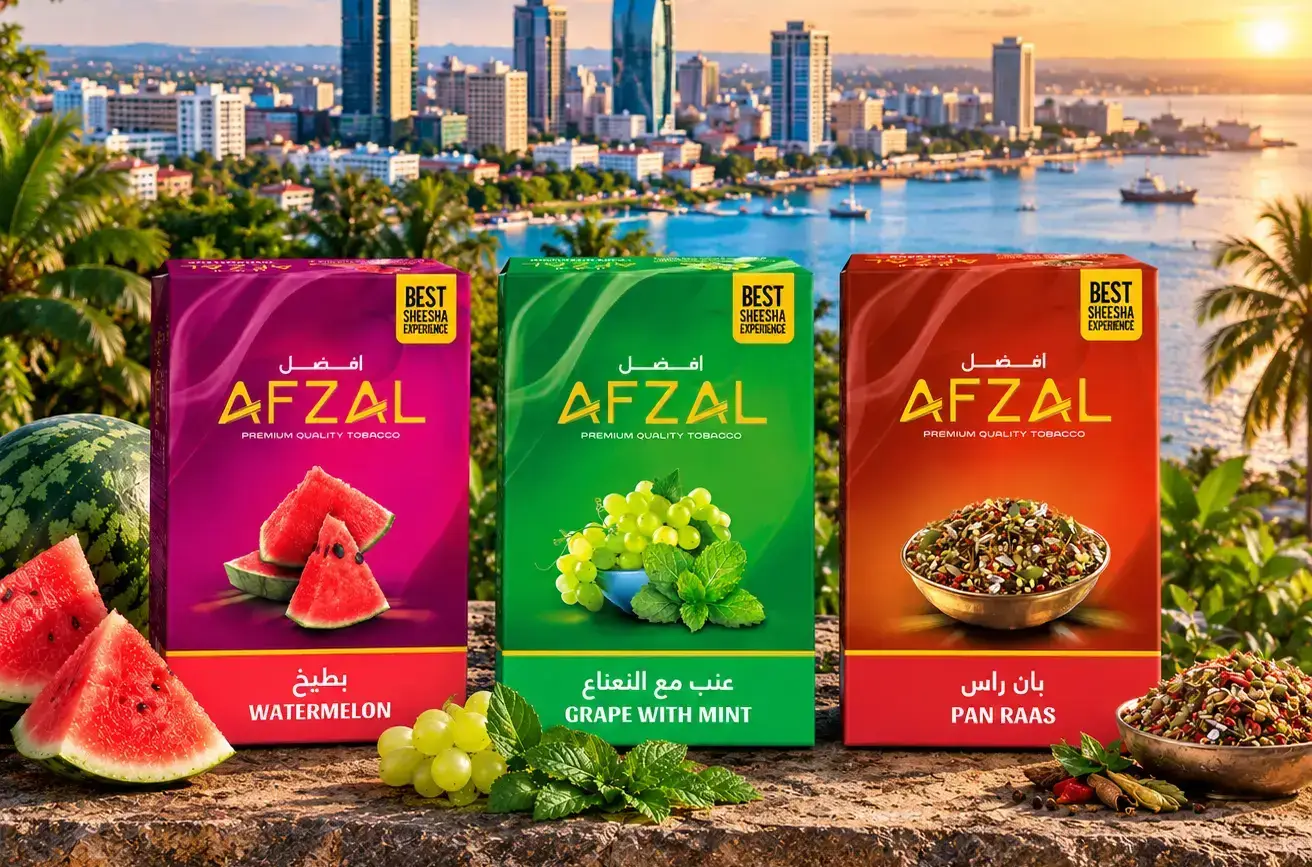
For businesses handling bulk shisha flavours in Tanzania, understanding the difference between branded and unbranded products helps create accurate product listings, wholesale quotations and retail descriptions. The distinction goes beyond the name on a pack. It includes brand identity, product presentation, manufacturer identification and the information available for each offering.
When businesses import shisha flavours into Tanzania, these details help them represent products accurately to distributors, wholesalers, retailers and lounges. A branded product has an identifiable brand and product identity, while an unbranded offering may rely more heavily on a generic description.
SOEX is an Indian Hubbly flavour manufacturer and exporter offering Afzal shisha flavour
products alongside other product categories. This guide explains how branded and unbranded product offerings differ, what manufacturer product specifications communicate, and how businesses can represent a product range clearly to their wholesale buyers.
Branded vs Unbranded Shisha Flavours: What Is the Difference?
Branded and unbranded offerings can both be supplied to wholesale buyers, but the information used to identify them may differ.
Branded product offerings
A branded product is presented under an identifiable brand name, often with a named product line and individual flavour names. These elements help distinguish one offering from another in a catalogue or quotation.
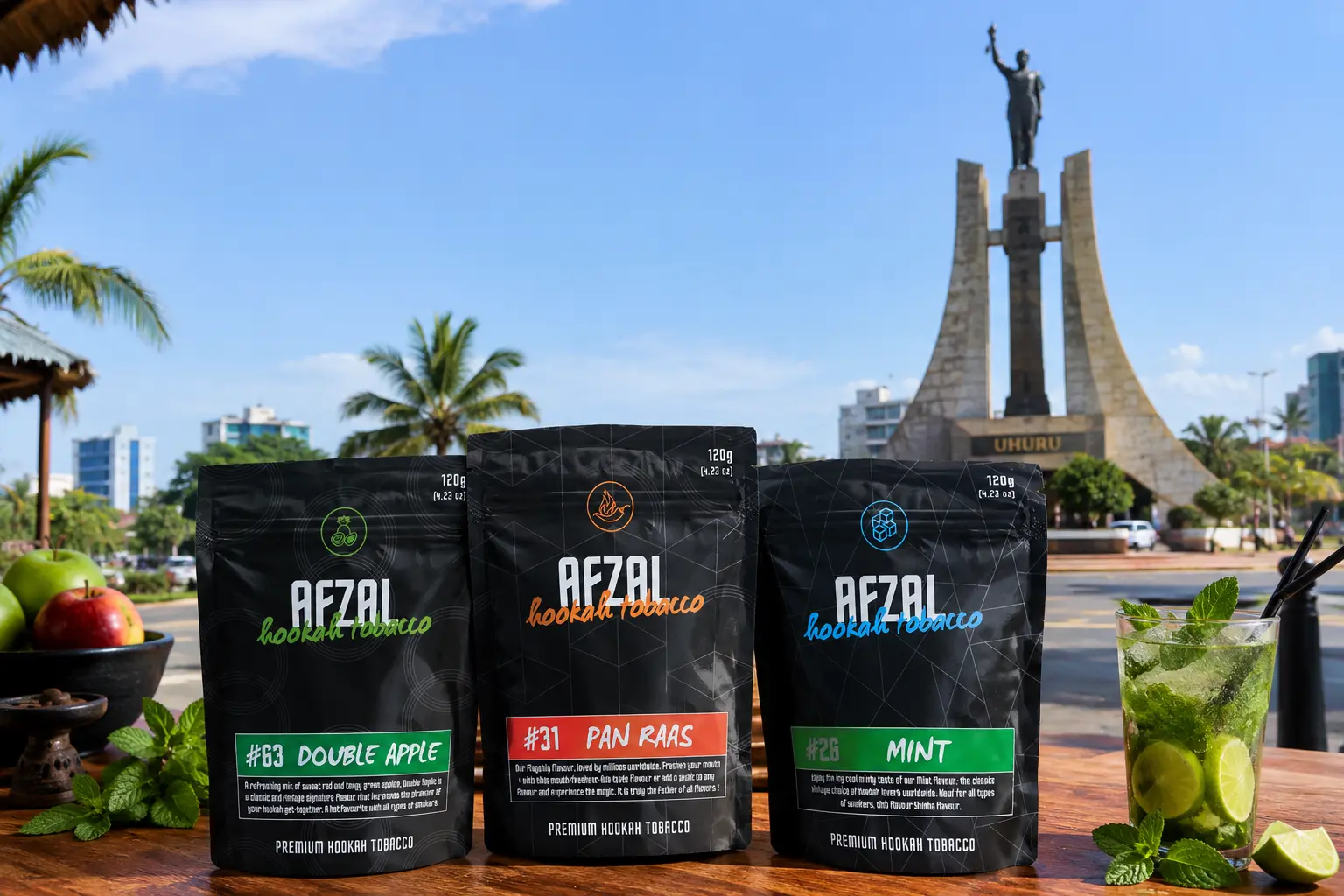
For example, Afzal identifies the brand, while Double Apple identifies a particular flavour. A listing that includes both names provides a more precise product reference than one that simply says apple flavour.
Branded offerings may include:
- A clearly identified brand and product name.
- Packaging that displays the product identity.
- Product descriptions associated with the named offering.
- Pack information and product references, where available.
- Consistent naming across catalogues and business documents.
These details make it easier for buyers to identify the intended product.
Unbranded product offerings
An unbranded offering is presented without a clearly established consumer facing brand identity. Its description may focus on a generic flavour category, such as mint, grape or mixed fruit.
This does not automatically mean that the product lacks a manufacturer or defined specifications. The distinction concerns how the product is identified and presented.
A private label product is different from a generic unbranded offering. A private label product is sold under a brand created or owned by a retailer, distributor or another business, even when a separate manufacturer produces it.
What should businesses compare?
When comparing branded and unbranded shisha flavours, businesses should consider whether each offering has:
- A clear product and flavour name.
- An identifiable brand, where applicable.
- Manufacturer information.
- Accurate pack details.
- Product descriptions that can be used consistently in catalogues and quotations.
A brand name alone does not establish product quality or commercial suitability. Likewise, an unbranded product is not automatically unreliable. The important point is to understand exactly what is being supplied and how it should be represented.


Brand Identity and Product Presentation: Identifying the Exact Offering
Brand identity and product presentation work together. The brand identifies the product family, while the product name, packaging and available details help distinguish individual offerings within that family.
Brand name, product line and flavour name
These terms serve different purposes:
- Brand name: Identifies the brand under which the product is presented.
- Product line: Identifies a particular range within the brand, where applicable.
- Flavour name: Identifies the individual flavour offering.
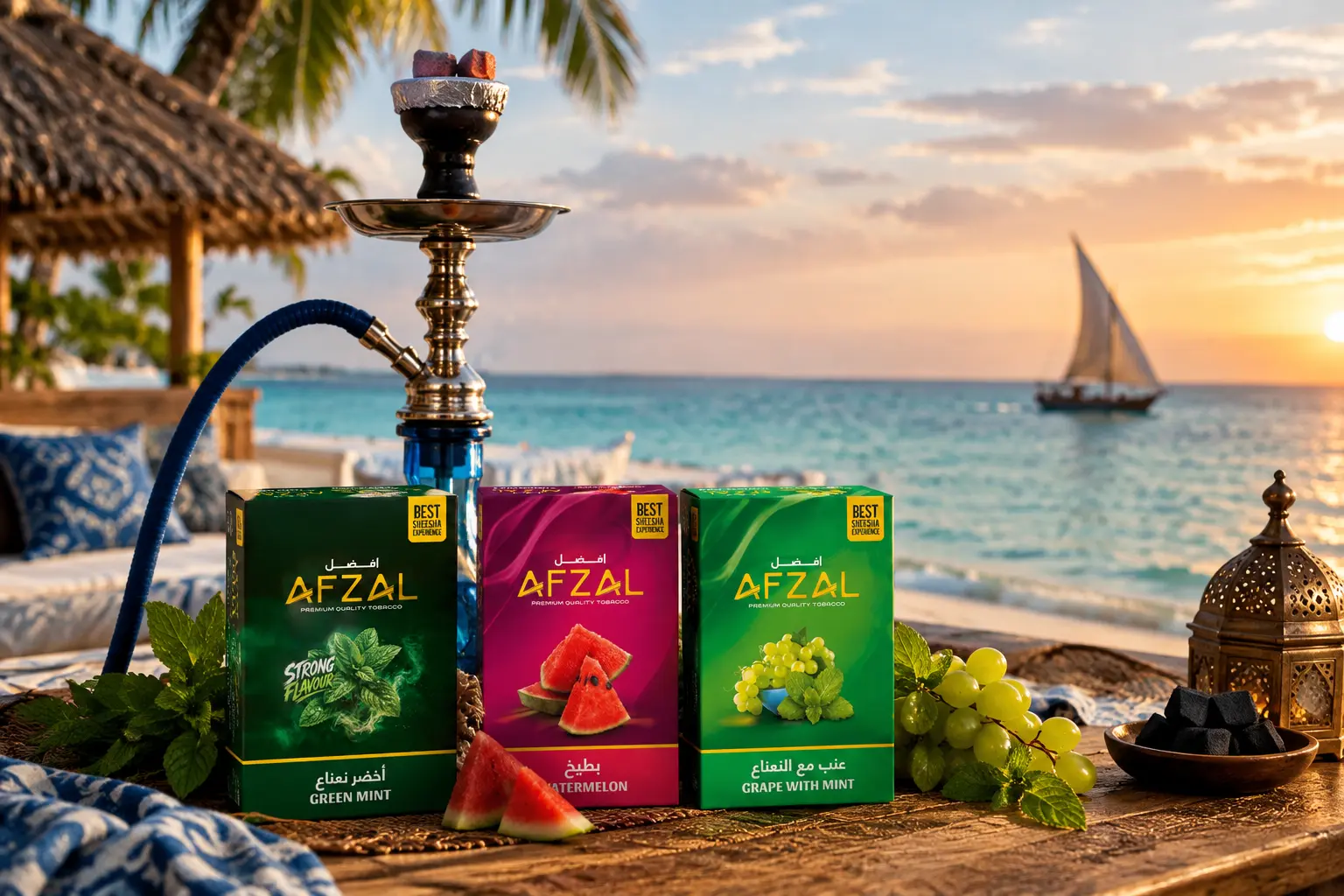
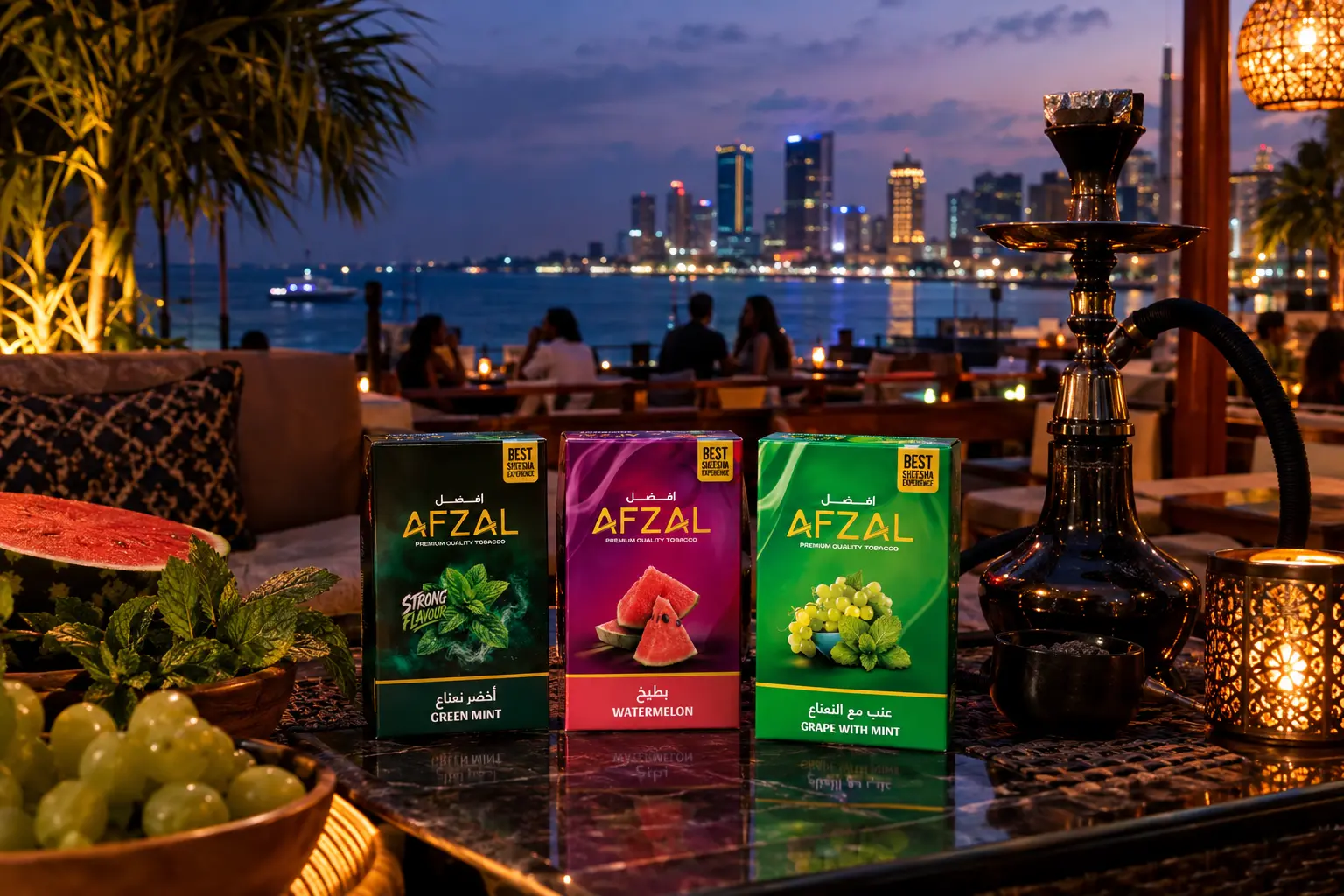
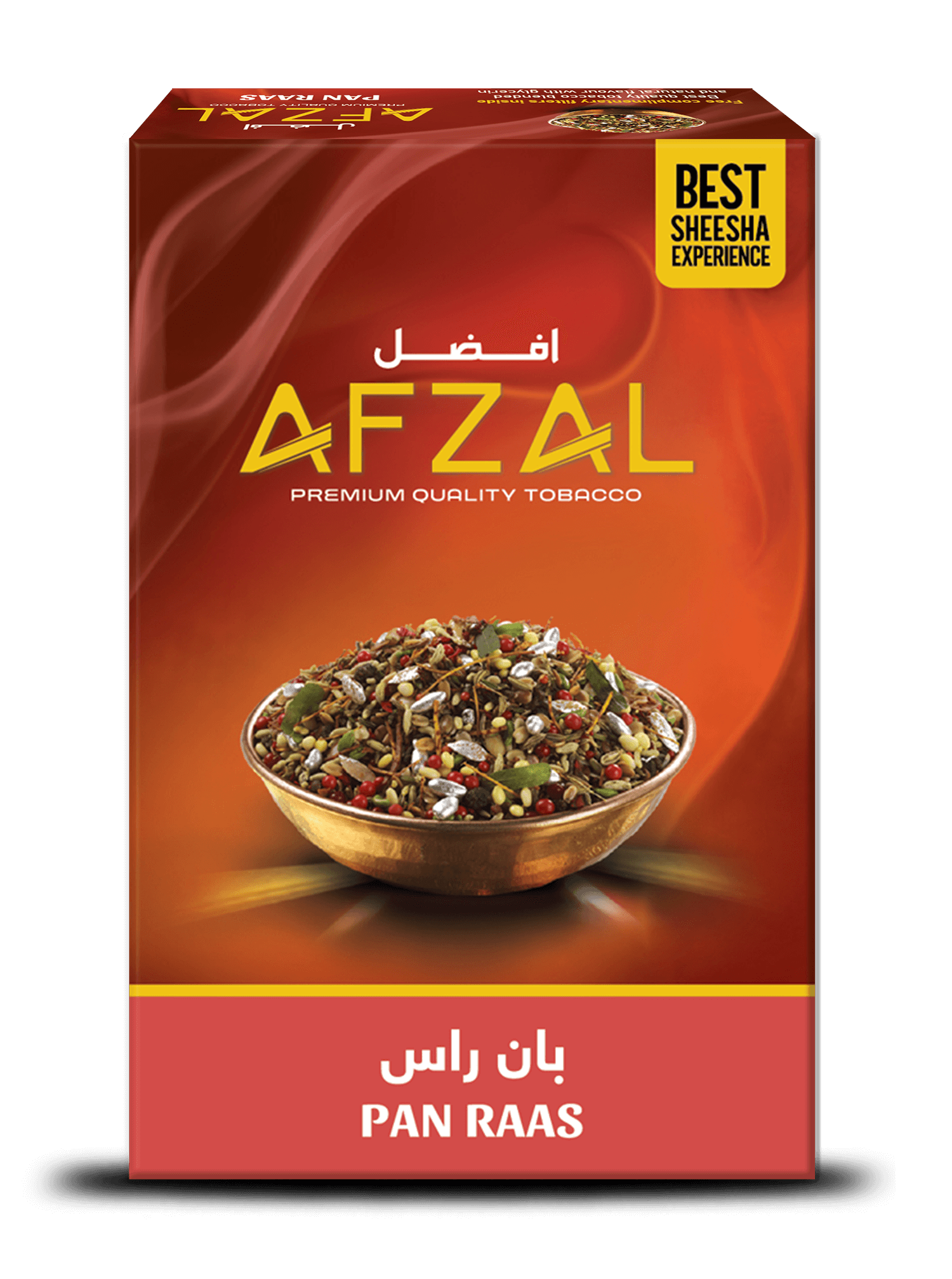
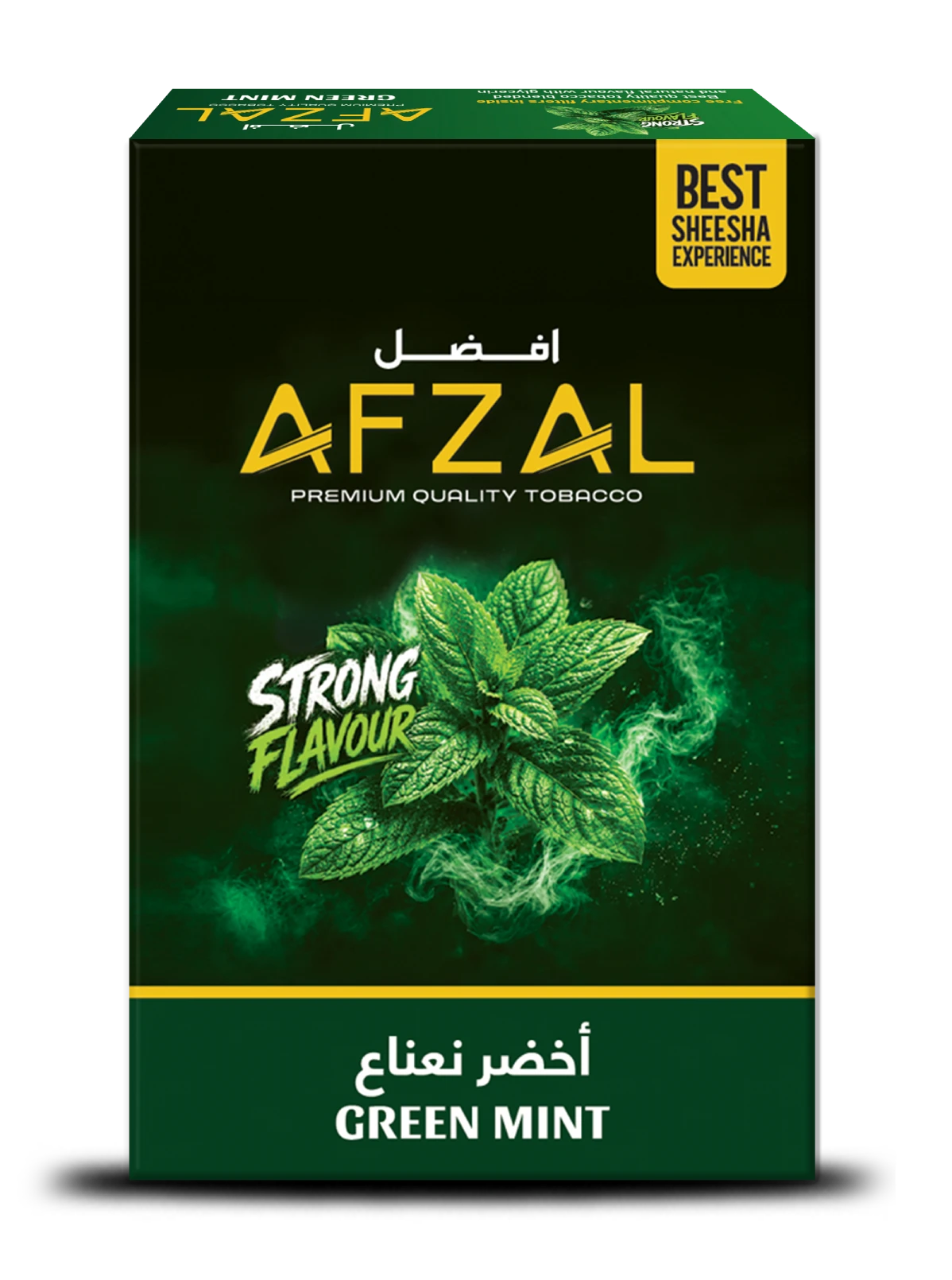
For example, Afzal is the brand, while Green Mint, Double Apple and Pan Raas are flavour names. Separately named lines, such as Afzal Strong and Afzal Premium, should retain their correct identities when listed.
This distinction matters because two products may share a broad flavour category without being the same named offering.
Why packaging and naming matter
Packaging can communicate the brand name, flavour name, product line and pack information. These details help distinguish individual products, while consistent naming allows businesses to refer to the same offering across different sales materials.
A generic description such as “mint shisha flavour” may be insufficient to identify a specific branded product. A more precise listing, such as Afzal Green Mint, connects the flavour with its brand identity.
The same applies to fruit flavours. Grape, watermelon and blueberry describe flavour categories, but those names alone do not necessarily identify a particular brand or product line.
For importers and distributors, product names should remain consistent across wholesale catalogues, quotations and retailer facing descriptions. Retailers can use the same principle when preparing product listings, while lounges can maintain consistent product references in purchasing lists and menus where appropriate.
Manufacturer Identification: Understanding Who Makes the Product
The brand, manufacturer and supplier are related, but they do not always refer to the same business.
- Brand: The name under which the product is presented.
- Manufacturer: The business responsible for manufacturing the product.
- Supplier: The business providing the product to a buyer. This may be the manufacturer, a distributor or another trading business.
Clearly identifying these roles helps wholesale buyers understand the relationship behind a product listing.
Why manufacturer information matters
Manufacturer identification connects a product with its source and helps businesses direct product specific enquiries to the appropriate company. It also provides a reference point when obtaining current product descriptions, pack information and other manufacturer provided details.
Businesses should avoid presenting a reseller as the manufacturer unless that description is accurate. They should also use manufacturer details consistently across catalogues and product documentation.
Understanding Manufacturer Product Specifications
Product specifications describe and identify an individual product or variant. They are useful when importers represent a manufacturer’s range to wholesalers, retailers, distributors and lounge businesses.
This section focuses on identifying and describing products accurately, rather than evaluating flavour quality.
Flavour descriptions
A flavour name identifies the product, while a description provides additional information about the named offering.
For example, Double Apple, Green Mint and Pan Raas identify different offerings within the Afzal range. Manufacturer provided descriptions can help distinguish products without changing their intended identity.
Businesses should use descriptions supported by the manufacturer instead of inventing claims about ingredients, flavour characteristics or product performance.
Pack information
Pack information identifies the format in which a product is offered. SOEX’s Tanzania wholesale page lists formats such as 500 g, 250 g and 1 kg for products within its published range. Availability can vary by product and line, so these formats should not be assumed to apply to every flavour.
For businesses handling bulk shisha flavours in Tanzania, accurate pack information helps distinguish smaller packs from larger formats intended for wholesale or lounge supply.
A quotation for Afzal Double Apple, for example, should specify the intended pack format rather than refer only to the flavour name.
Product identifiers and catalogue references
Manufacturers may provide product codes, SKU references or other identifiers for individual offerings. Where available, these can help distinguish products with similar names and connect a catalogue entry to the intended product.
Importers should use manufacturer provided identifiers accurately and avoid inventing codes that could be mistaken for official references.
Keeping product information consistent
Product names, descriptions and pack information should remain consistent across catalogues, quotations, order records and retailer-facing listings. Inconsistencies can make it unclear which offering is being discussed.
When representing a manufacturer’s range, businesses should obtain:
- The current product and flavour list.
- Manufacturer-approved flavour descriptions.
- Available pack formats for each product.
- Product identifiers, where supplied.
- Confirmation of current product details and availability.
These details help businesses represent the range accurately without turning product specifications into a quality-testing or supplier-evaluation checklist.


Exploring Afzal Branded Flavour Range
Afzal provides a practical example of how a named brand can present individual flavours within a wider product range. SOEX’s Tanzania wholesale page features several Afzal categories for B2B enquiries.
The examples below illustrate the relationship between a product line and its flavour names. Current availability and pack formats should be confirmed directly with SOEX.
Afzal Cool
Examples include Green Mint, Lemon Mint and Ice Burst.
The range name identifies the product line, while each flavour name identifies an individual offering. Green Mint, for instance, provides a more specific product reference than a generic listing for mint shisha flavour in Tanzania.
Afzal Fruit
Examples include Double Apple, Watermelon, Grape, Strawberry and Blueberry.
These names identify individual products within the fruit category. A listing for Double Apple identifies a particular flavour offering, while “fruit flavour” describes a wider category.
Afzal Spicy
Examples include Pan Raas, Chief Commissioner and Bombay Pan Masala.
Retaining the exact product name helps distinguish these offerings rather than grouping them under a generic description such as mixed fruit shisha flavour.
Afzal Premium
These are separately named product lines presented on SOEX’s Tanzania wholesale page. Examples listed include Premium Double Apple, Premium Pan Raas and Premium Orange.
When a product belongs to a distinct line, the line name should be retained where applicable. This prevents different offerings from being combined under a generic flavour label.
Keeping separate product categories distinct
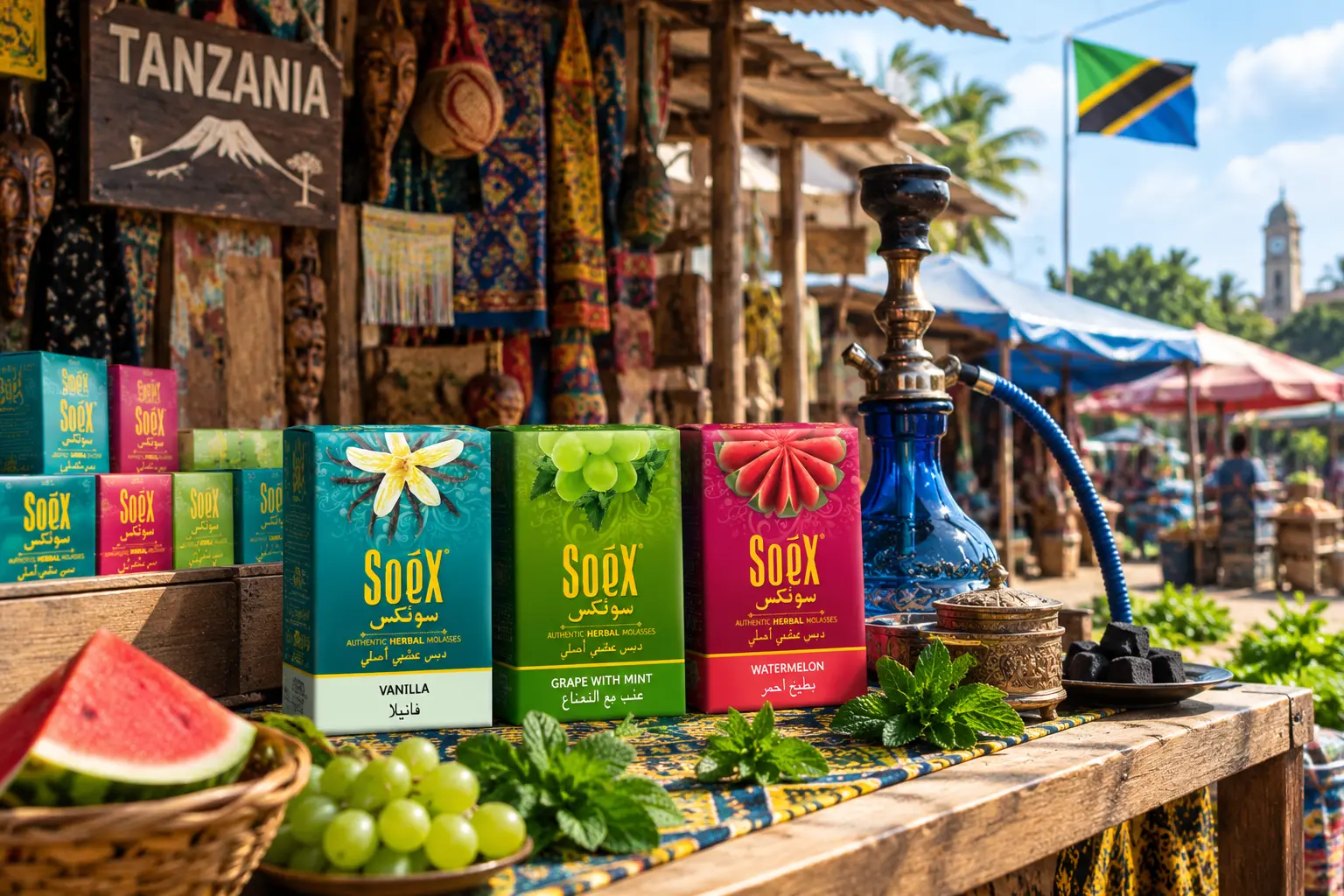
SOEX also offers Soex Herbal Molasses, which is separate from the Afzal shisha tobacco range. The term shisha bila tumbaku refers to tobacco free shisha products, so it should be used only in the relevant context of the separate herbal category.
Keeping these product identities distinct helps importers, distributors and retailers describe each category accurately.
Representing Branded Products to Different B2B Buyers
Although different businesses use product information in different ways, accurate identification is important throughout the wholesale supply chain.
Importers and distributors
Importers and distributors need clear brand names, flavour descriptions, manufacturer details and available pack formats when preparing product lists for wholesale accounts. Consistent information helps them represent the manufacturer’s range accurately.
Wholesalers and bulk buyers
Wholesale buyers need specific product references when discussing quotations and repeat enquiries. A complete brand and flavour name, accompanied by the relevant pack information, helps identify the intended offering.
Retailers
Retailers can use consistent brand and flavour names to maintain clear product listings. This is particularly useful when several offerings fall under broad categories such as fruit or mint.
Lounges and hospitality businesses
For businesses looking for shisha for lounges in Tanzania, accurate product names can be used consistently across purchasing lists, supplier enquiries and menus where relevant.
These practices support clear product representation. They do not guarantee demand or commercial performance, and they do not make branded products automatically more suitable than unbranded alternatives.
Common Mistakes When Representing Shisha Flavour Products
A few avoidable mistakes can make a product range difficult to understand.
Using only a generic flavour name: A description such as mint or apple may not identify the exact branded offering.
Omitting the product-line name: Products from separately named ranges may become difficult to distinguish.
Confusing the manufacturer with the supplier: These roles should be described accurately.
Using outdated pack information: Pack formats should be confirmed for the particular product.
Changing manufacturer-provided descriptions: Product descriptions should reflect verified information rather than unsupported claims.
Combining separate product categories: Afzal and Soex Herbal should retain their distinct identities.
Assuming every pack format is available for every flavour: Availability should be confirmed at product level.
Avoiding these mistakes improves the accuracy of product listings and wholesale communication without requiring market statistics or unsupported claims about product performance.
Frequently Asked Questions
What is the difference between branded and unbranded shisha flavours?
Branded shisha flavours are presented under an identifiable brand and product name. Unbranded offerings may rely on generic flavour descriptions instead. Both can have a manufacturer and defined specifications, so the main distinction is how clearly the product identity is presented.
Why does manufacturer identification matter to shisha flavour importers in Tanzania?
Manufacturer identification helps importers connect a product with its source and obtain accurate product information. It also helps them distinguish the manufacturer from a supplier or distributor when preparing catalogues, quotations and product descriptions for wholesale buyers.
What product information should a shisha flavour wholesaler request?
Useful information includes the current product list, manufacturer approved flavour descriptions, available pack formats and product identifiers where supplied. These details help wholesalers represent the intended products accurately and avoid inconsistencies across catalogues, quotations and order records.
How are a brand name, flavour name and product specification different?
A brand name identifies the brand, a flavour name identifies an individual offering, and a product specification provides details used to describe or distinguish that offering. For example, Afzal is the brand and Double Apple is a flavour name.
Where can importers find a shisha flavour supplier for Tanzania?
Businesses can visit the SOEX Tanzania wholesale and distributor to review the published product range and find B2B enquiry options. SOEX is a manufacturer and exporter supplying Afzal and other product categories to trade buyers.
Looking for Quality and Consistency in Branded Shisha Flavours?
For importers, distributors and bulk buyers in Tanzania search for shisha flavour, Can sourcing a branded shisha flavour range with clearly defined product identities and consistent flavour specifications can help maintain a reliable offering across wholesale accounts, retail outlets and shisha lounges.
SOEX, an Indian hookah flavour manufacturer and exporter, offers branded shisha flavour products for B2B businesses looking to expand their portfolios. If you are seeking Quality shisha flavours with consistent product specifications and recognisable brand identities, explore the available branded shisha flavours for wholesale in Tanzania.
Connect with SOEX to discuss your wholesale requirements, explore the available flavour range and confirm product specifications and pack formats for your business.