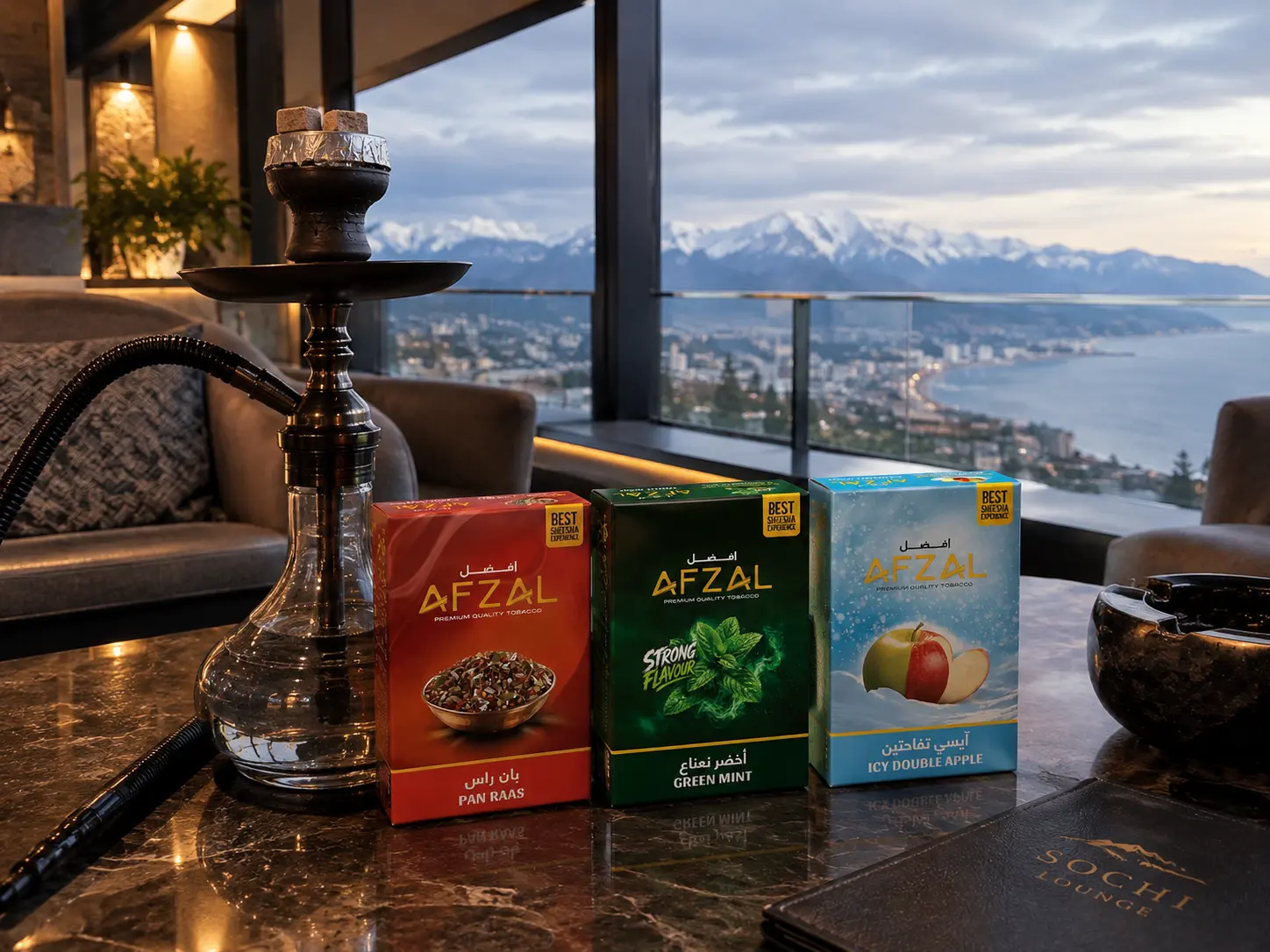
Planning Wholesale Supply Around Sochi’s Resort Seasons
Sochi’s resort economy operates across two distinct seasonal environments. Summer brings coastal hospitality activity around Central Sochi and Adler, while winter draws visitors towards mountain destinations such as Krasnaya Polyana, Rosa Khutor and Gazprom Resort. For lounge operators, wholesalers and distributors, these seasonal changes influence procurement schedules, menu planning, stock allocation and replenishment routines.
A wholesale Shisha tobacco supplier serving resort venues needs to support both operating environments without creating unnecessary complexity in the product portfolio. The objective is to maintain continuity for established menu favourites while introducing suitable seasonal options that complement each venue’s concept.
For businesses handling hookah flavour Distribution, the most useful planning decisions come from the combination of seasonal booking calendars, historical account purchases, actual product movement and the operational requirements of individual lounges. This allows distributors to build practical supply plans around each account rather than relying on broad assumptions about what every summer or winter customer will order.
Afzal can form part of this planning process as a branded flavour range that lounges and wholesale partners can incorporate into their established menus. The focus should remain on selecting appropriate products, maintaining consistent preparation standards and aligning replenishment with the way each venue operates.
Understanding Sochi’s Two Seasonal Operating Environments
Summer: Coastal Lounges and Extended Hospitality Activity
From June through September, coastal hospitality venues around Central Sochi and Adler plan around beach visits, hotel occupancy, outdoor dining and evening entertainment. Lounge operators may experience changes in service patterns throughout the week, particularly when holiday periods and local events affect reservations.
For a hookah tobacco Flavour distributor, the summer planning challenge is to coordinate supply with the needs of multiple venues that may operate different menus and service schedules.
Practical considerations include:
- Maintaining reliable availability of established fruit and cool flavour Range.
- Allocating stock according to each account’s recorded purchasing patterns.
- Planning replenishment around expected hotel occupancy and venue reservations.
- Coordinating deliveries across coastal locations to reduce avoidable last-minute orders.
- Reviewing seasonal menu additions without expanding the portfolio beyond what the venue can manage.
A coastal lounge with a compact menu may need a different product mix from a large hotel venue offering several flavour combinations. Wholesale allocations should reflect these operational differences.
Winter: Mountain Resorts and Indoor Lounge Operations
Between December and March, mountain resort destinations around Krasnaya Polyana, Rosa Khutor and Gazprom Resort create a different operating environment. Indoor hospitality spaces, hotel lounges and après ski venues may adjust their menus, staffing and purchasing schedules around winter bookings.
Winter procurement benefits from a structured approach to menu continuity and seasonal variety. Established options can remain available while selected fruit, mint or spice oriented flavours provide additional choices for venues developing winter menus.
For a wholesale hookah tobacco supplier, this means coordinating purchasing with the resort calendar, venue storage capacity and expected service requirements rather than simply increasing orders because winter has arrived.
The same principle applies to both seasons: purchasing decisions should follow each account’s operating plan and recorded product movement.



Building a Seasonal Wholesale Procurement Calendar
A seasonal procurement calendar helps wholesalers coordinate orders before the busiest periods, maintain supply during peak operations and adjust purchasing as venue activity changes.
Phase One: Pre Season Planning
Before summer or winter operations begin, review the account’s previous purchasing records, planned opening dates, menu changes and expected occupancy.
Use this review to establish:
- Core products that should remain available throughout the season.
- Seasonal additions requested by the venue.
- Typical replenishment intervals for individual products.
- Storage space available at the account.
- Delivery schedules and order lead times agreed with the supplier.
For Distributor provide Hookah flavour for resort accounts, separate purchasing plans are more useful than a single seasonal forecast. A coastal hotel, an independent lounge and a mountain resort may have different order frequencies even when they operate in the same region.
Phase Two: Seasonal Launch
During the opening weeks, monitor actual orders and product usage rather than relying entirely on initial estimates.
Record the quantity ordered, the date received, subsequent replenishment and any changes to the menu. These records help distinguish products that have become regular menu choices from products that remain occasional additions.
A wholesale team can use this information to adjust subsequent allocations while preserving availability for established products.
Phase Three: Peak Season Replenishment
During busier periods, the priority is maintaining continuity without overloading storage areas with slow moving stock.
Each account should have product specific reorder points. These can be calculated using its typical usage, supplier lead time and an appropriate buffer based on operational needs.
For example, a lounge that regularly orders a particular flavour may need a different reorder threshold from a venue that offers the same flavour only as an occasional menu option.
A hookah tobacco wholesale plan becomes more effective when reorder decisions are linked to individual stock records rather than a single threshold applied across the entire range.
Phase Four: Seasonal Transition
As coastal activity moves towards winter resort operations, or winter bookings begin to taper, reassess the purchasing mix.
Review remaining quantities, recent sales to accounts, planned menu changes and upcoming delivery commitments. This makes it easier to adjust future orders without allowing seasonal products to dominate the next procurement cycle.
Designing a Balanced Flavour Portfolio for Resort Accounts
A practical wholesale portfolio should combine dependable core products with selected seasonal options and a limited number of distinctive additions.
The exact mix depends on the venue’s menu, account purchasing history, storage capacity and customer feedback. It should not be treated as a universal percentage split for all Sochi lounges.
Core Flavours for Menu Continuity
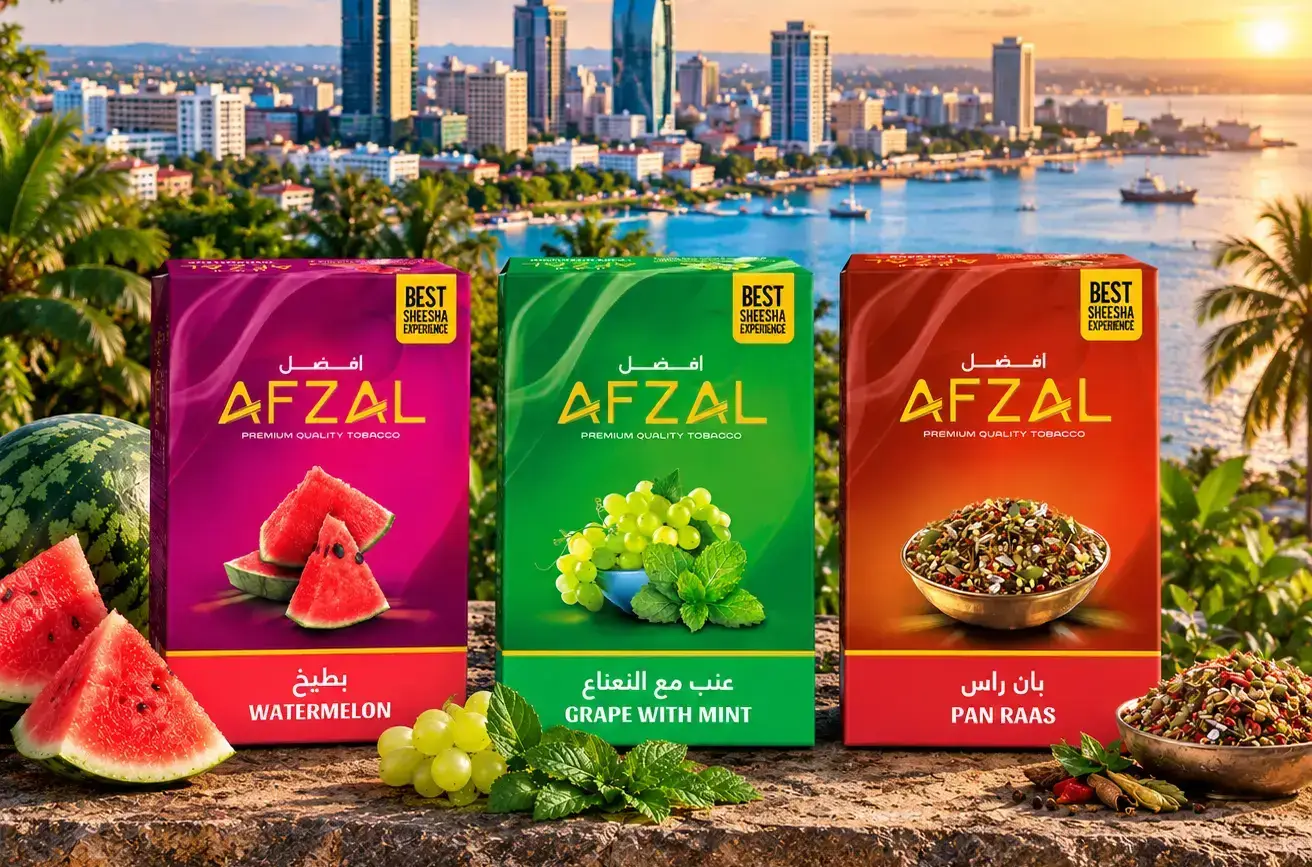
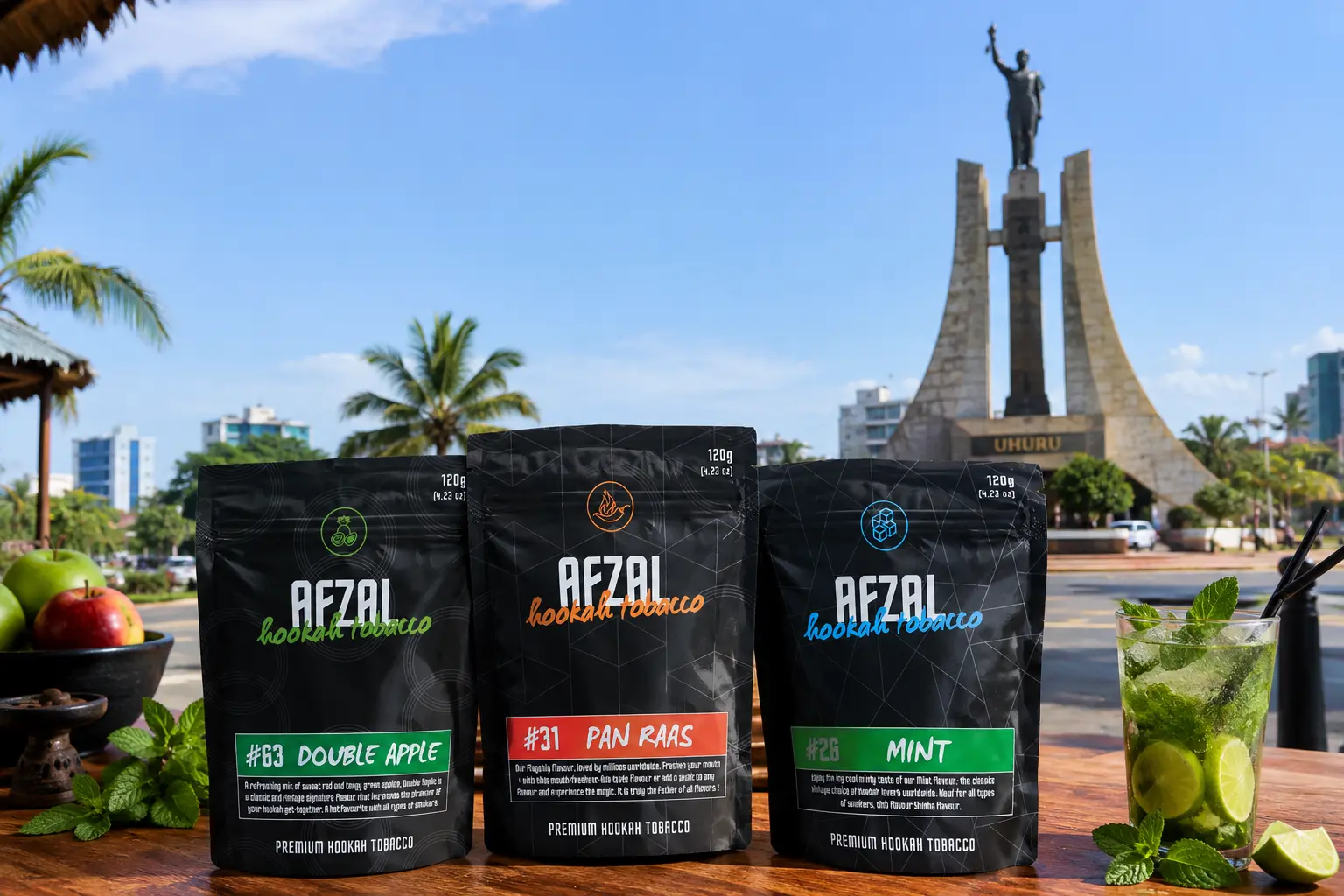
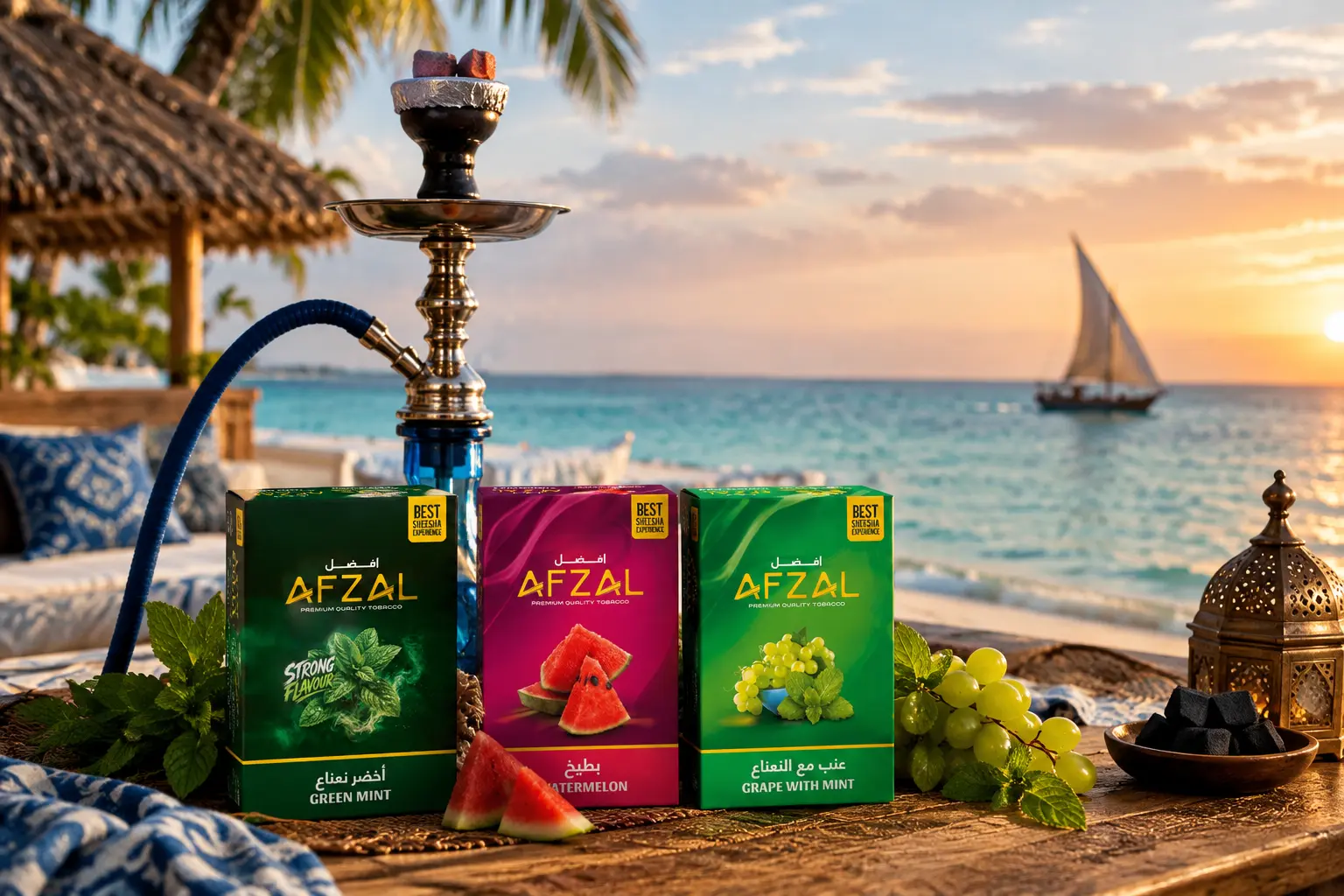
Core products provide a consistent foundation for venues that prefer to maintain familiar menu options throughout the year. Double Apple, grape and mint are useful examples to consider when building a portfolio around established flavour categories.
The purpose is not to assume that every venue orders these products at the same rate. Instead, use account-level records to identify which varieties each lounge repeatedly purchases and replenish those products according to their actual movement.
For wholesalers handling Bulk hookah tobacco range, a clearly defined core range also simplifies order preparation, stock rotation and communication with repeat accounts.
Summer Portfolio: Fruit and Cooling Profiles
Coastal venues can evaluate fruit-forward and cooling flavour options when developing summer menus. The final selection should fit the lounge’s existing menu structure and the combinations its team is prepared to offer consistently.
Potential Afzal options for consideration include:
- Blueberry Mint: A fruit-and-mint combination for venues building a menu around mixed flavour profiles.
- Brain Freezer: A cooling-oriented option for lounges that include pronounced cooling profiles in their selection.
- Afzal Strong : An additional Afzal variety to evaluate when creating a broader seasonal menu.
These products can be incorporated into menu planning according to the venue’s requirements and product availability within the established supply arrangement. Their role in the portfolio should be determined by the lounge’s menu strategy and actual account feedback, rather than assumptions about universal summer preferences.
Winter Portfolio: Richer and Spice Oriented Options
Winter resort lounges may choose to introduce flavour combinations that complement their menu concept and indoor hospitality setting.
Afzal Pan Raas can be considered by venues looking to include a spice oriented option. Double Apple, grape and mint can remain part of the core selection where they align with the lounge’s established menu and purchasing patterns.
For winter operations, the key is to introduce seasonal variety without disrupting the supply of products that regular accounts already order.
A Shisha tobacco flavour distributor can support this approach by maintaining a clear separation between core products, seasonal additions and products ordered for specific venue requirements.


Position Afzal Within a Wholesale Product Portfolio
Afzal can be included in a distributor’s seasonal planning as a branded range with options for core menus and selected seasonal combinations. Its role in each account should be defined by the venue’s product selection, menu positioning and purchasing requirements.
Rather than presenting the same assortment to every lounge, wholesalers can organise the range into three practical groups.
Established Menu Products
These are the products that individual accounts order repeatedly and intend to retain across seasons. Their replenishment should follow recorded usage and the account’s normal purchasing cycle.
Seasonal Menu Additions
These products support a venue’s planned summer or winter menu. Their allocation can begin with the quantity agreed with the account and then be adjusted using actual ordering patterns.
Specialist Menu Options
Some venues may require a smaller selection of distinctive flavours for specific combinations or menu concepts. These can be managed separately from regular replenishment so that specialist options do not unnecessarily expand routine purchasing.
This structure allows Afzal products to be incorporated into a coherent wholesale portfolio without making unsupported claims about market leadership, popularity or performance across all resort venues.
Maintaining Consistent Preparation Across Resort Teams
Wholesale planning and lounge preparation are closely connected. When staff use different preparation methods, it becomes harder for a venue to assess products consistently or interpret changes in product usage.
Resort lounges can establish a simple internal preparation standard covering:
- A consistent measurement method for the quantity of flavour used.
- Documented bowl-packing procedures appropriate to the venue’s equipment.
- Standardised airflow and heat-management practices.
- Clear handover notes between staff shifts.
- Recorded preparation adjustments when a recipe or menu combination changes.
These procedures help teams compare like with like when evaluating menu options. They also improve the usefulness of feedback shared with the purchasing team.
For example, if a venue changes the quantity used per preparation, its purchasing records may change even when the number of orders remains stable. Recording preparation adjustments helps the manager interpret product movement more accurately.
Wholesalers can support account discussions by keeping product information and ordering
Aligning Wholesale Orders With Pack Selection and Stock Rotation
Pack selection should suit the way each account purchases, stores and uses products. A high-volume hotel lounge may have different requirements from a smaller independent venue with a compact menu.
Wholesale buyers should organise their purchasing around three questions:
- How frequently does the account replenish each product?
- How much storage capacity is available for the planned assortment?
- Which products have regular movement, and which are ordered only for specific menu requirements?
The answers help wholesalers plan quantities without treating every flavour as an equal purchasing priority.
Stock rotation is equally important. Maintain a clear record of receipt dates, quantities and stock issued to accounts. Use a consistent first-in, first-out process where appropriate, while following the product’s storage instructions.
Seasonal transitions are a useful time to review remaining inventory and reduce unnecessary overlap between the outgoing and incoming menu plans.
consistent order records also help the distributor coordinate upcoming purchases with its supplier and avoid disconnected ordering decisions across accounts.
Use Account Records to Improve Replenishment Decisions
Seasonal wholesale planning becomes more useful when purchasing decisions are based on genuine business records. Distributors can review several measures to understand how their accounts order and use products.
Product movement: Track quantities issued to each account over a defined period to identify products that are reordered regularly.
Reorder frequency: Compare the intervals between orders for individual products. Changes can inform future replenishment schedules.
Stock ageing: Identify products that remain in inventory longer than expected and review whether the quantities purchased match account requirements.
Stockout frequency: Record instances when an account cannot be supplied from available inventory. These records can help identify weaknesses in reorder points or delivery coordination.
Forecast accuracy: Compare planned quantities with actual orders and stock movement to improve subsequent seasonal forecasts.
Preparation records: Where a venue maintains reliable internal records, compare product quantities purchased with quantities used. Changes in preparation methods can affect usage figures, so these factors should be considered when interpreting account data.
These measures help distributors distinguish actual purchasing patterns from assumptions about regional or seasonal preferences. The same approach can be used when reviewing Afzal products or other varieties in the wholesale portfolio.
Coordinating Distributors, Suppliers and Resort Accounts
Sochi’s coastal and mountain destinations can require different delivery schedules and account-management routines. A distributor serving both areas benefits from maintaining a clear view of upcoming orders, available stock and account-specific requirements.
A practical coordination process includes:
- Maintaining separate seasonal order forecasts for coastal and mountain accounts.
- Grouping orders by delivery area and agreed schedule.
- Sharing clear product identifiers and quantities between purchasing and warehouse teams.
- Reviewing outstanding orders before major seasonal transitions.
- Communicating changes to planned quantities early enough to coordinate replenishment.
- Keeping account-level records separate so that one venue’s ordering pattern does not become the assumption for another.
Regular communication is especially useful when a venue introduces seasonal menu additions or changes its established assortment.
A hookah tobacco wholesale programme works best when the distributor, supplier and lounge team share clear information about product selection, quantities and order timing. This makes seasonal planning a repeatable business process rather than a series of urgent purchasing decisions.
Building a More Predictable Wholesale Supply Plan
Successful seasonal planning for Sochi’s resort lounges depends on connecting procurement with the way each account operates. Summer coastal venues and winter mountain resorts may have different service schedules, menu priorities and replenishment needs, but both benefit from clear stock records, defined reorder points and disciplined seasonal transitions.
For wholesalers and distributors, the most useful approach is to protect continuity for established products, introduce seasonal options selectively and adjust purchasing decisions using genuine operational records.
Afzal can be incorporated into this process as part of a structured branded portfolio, with core varieties and selected seasonal options allocated according to individual account requirements.
A reliable Bulk hookah tobacco supplier supports more than product availability. It helps business accounts plan orders, organise their assortment and maintain a consistent supply process across Sochi’s changing resort seasons.
B2B Wholesale Enquiries
For wholesale buyers, distributors and hospitality businesses exploring Afzal as part of their product portfolio, SOEX provides a starting point for discussing product selection and business supply requirements.
Explore the hookah tabacco flavours in Russia for wholesale and distributor for an overview of the wholesale offering and use the relevant regional business contact to discuss supply requirements for your account.