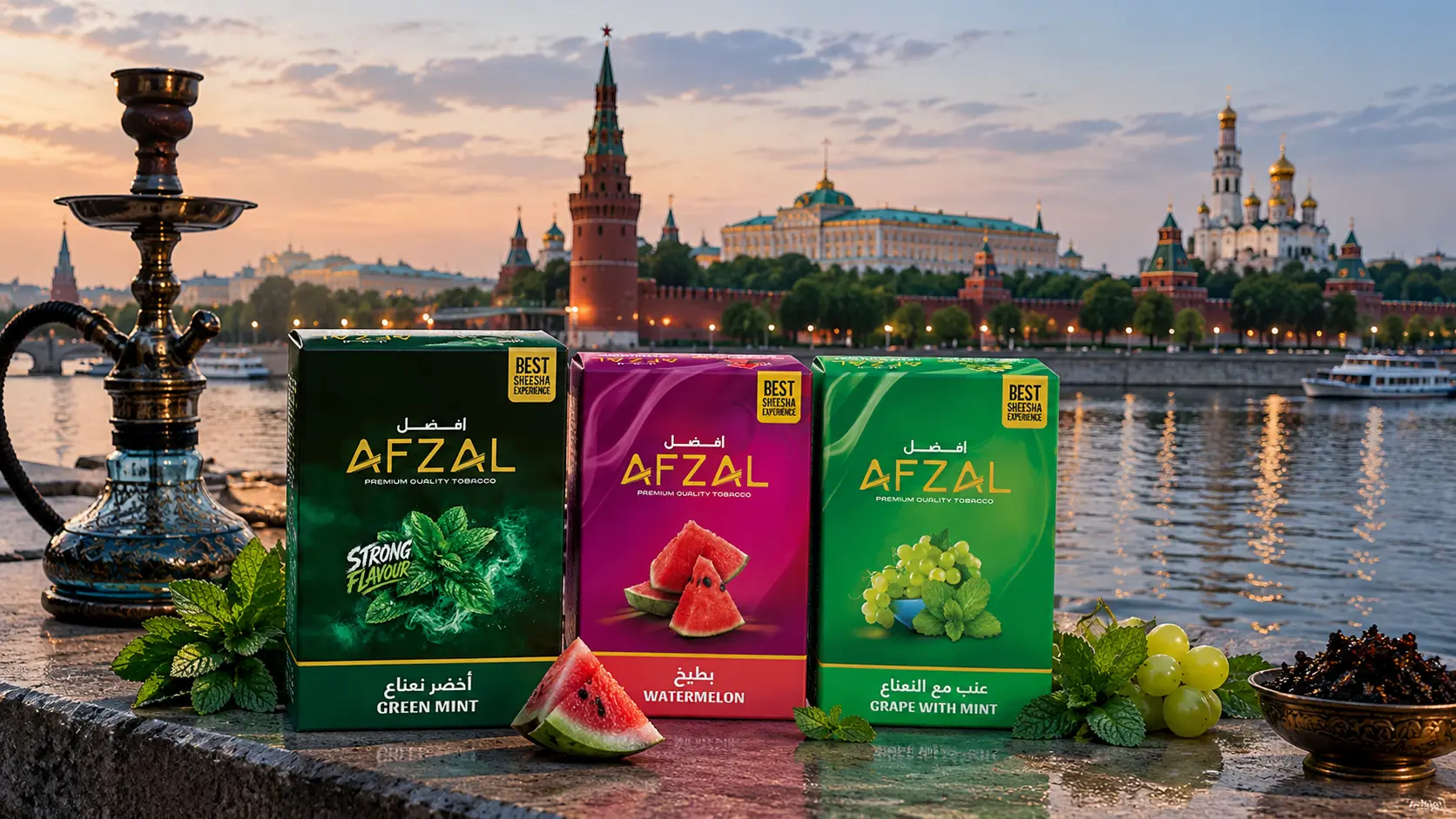
A Wholesale Catalogue Is More Than a Product List
For a Regional hookah tobacco business in Russia, an international wholesale catalogue is more than a collection of flavour names and product photographs. It provides an overview of the manufacturer behind the products, the brands within its portfolio, the available flavour categories and the formats in which products are presented.
For a business searching for a reliable hookah tobacco supplier, understanding this information is an important part of evaluating a product portfolio. A distributor may need to understand how a manufacturer’s range is organised before presenting it to retail partners. A wholesaler may compare product categories and pack formats when planning an assortment. A hookah lounge or retailer may look for recognizable flavour names and a range that gives customers different options.
The distinction becomes clearer when a catalogue is viewed through the manufacturer’s identity and product structure rather than simply counting the number of listed flavours.
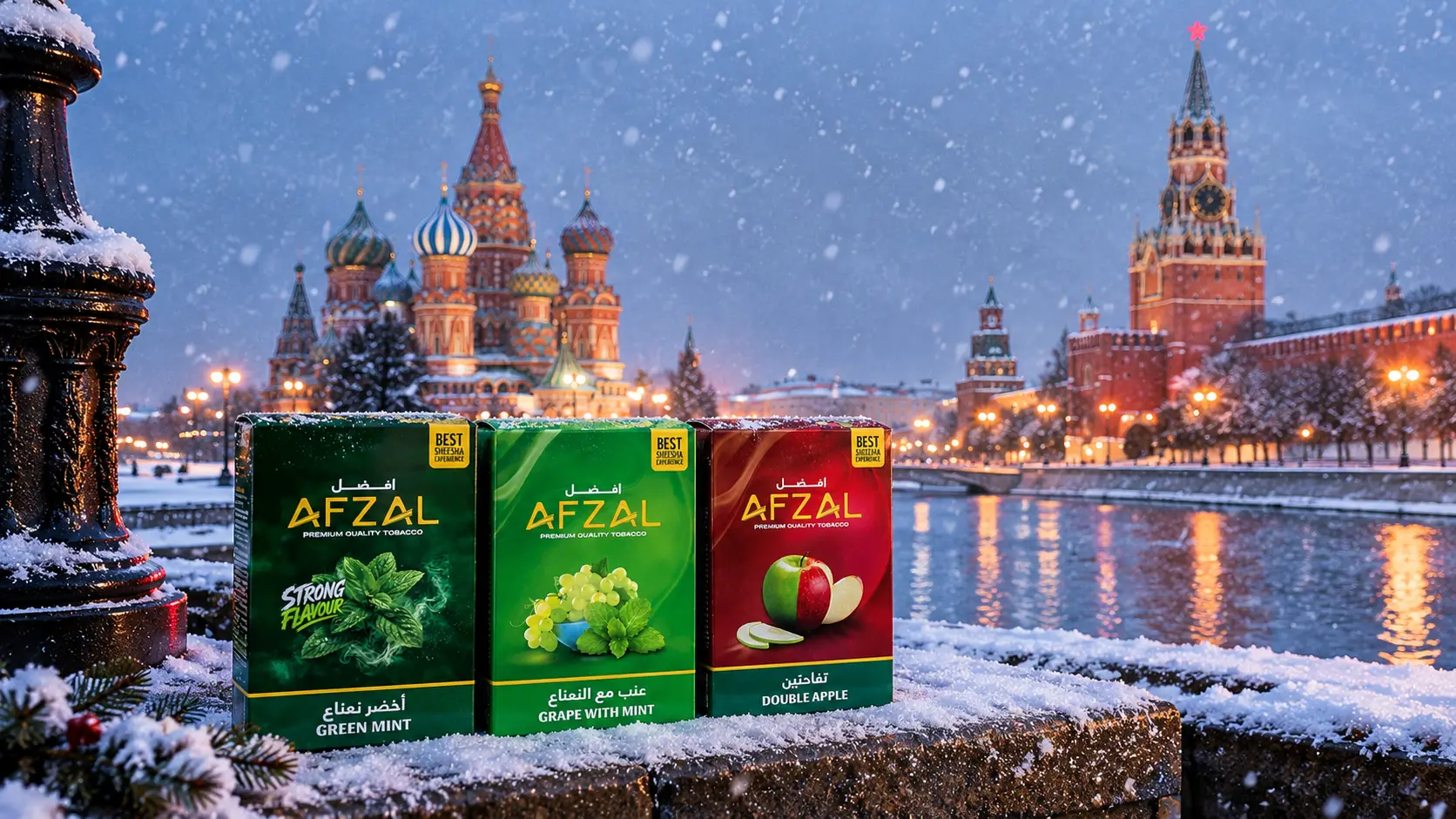
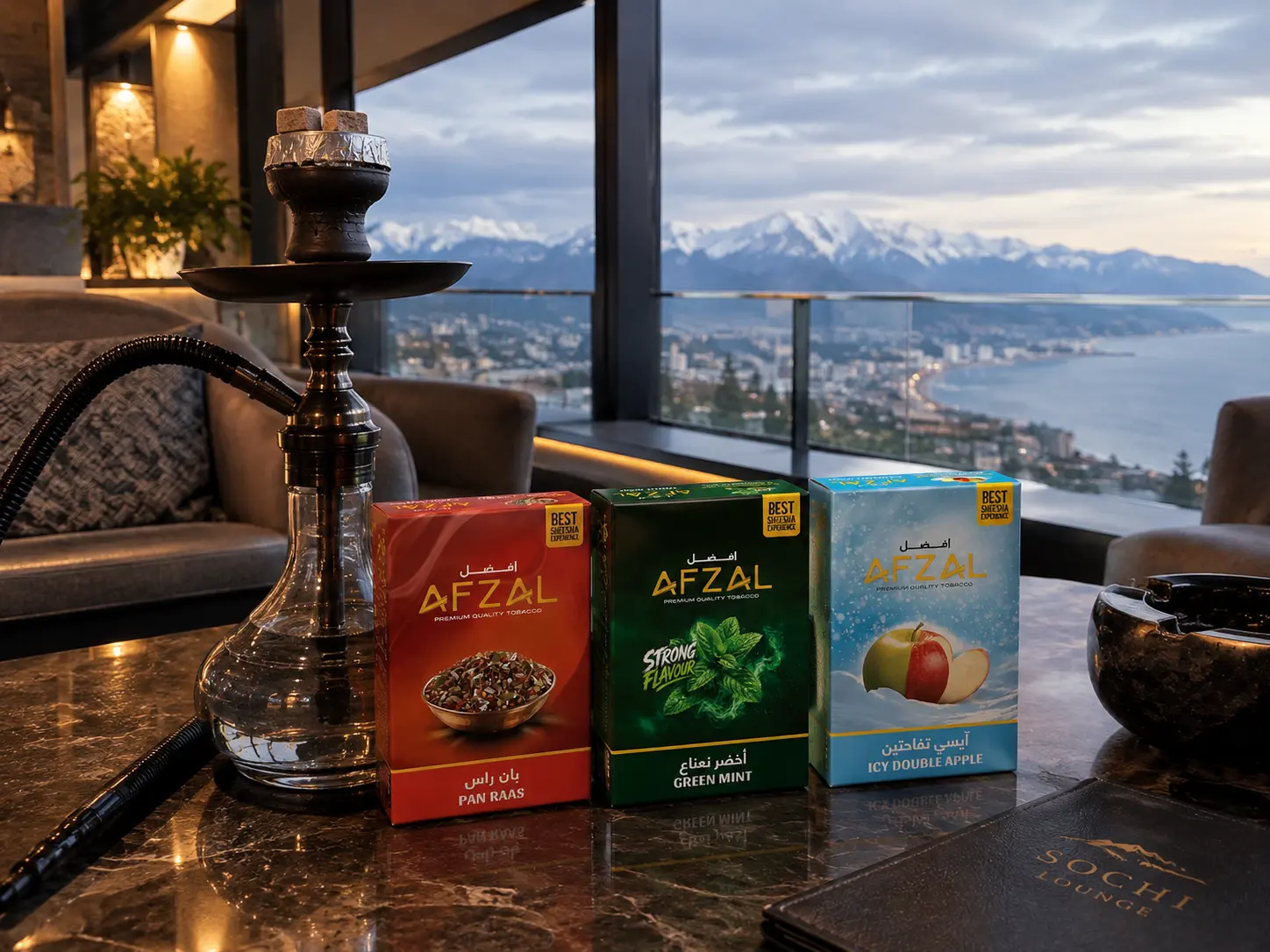
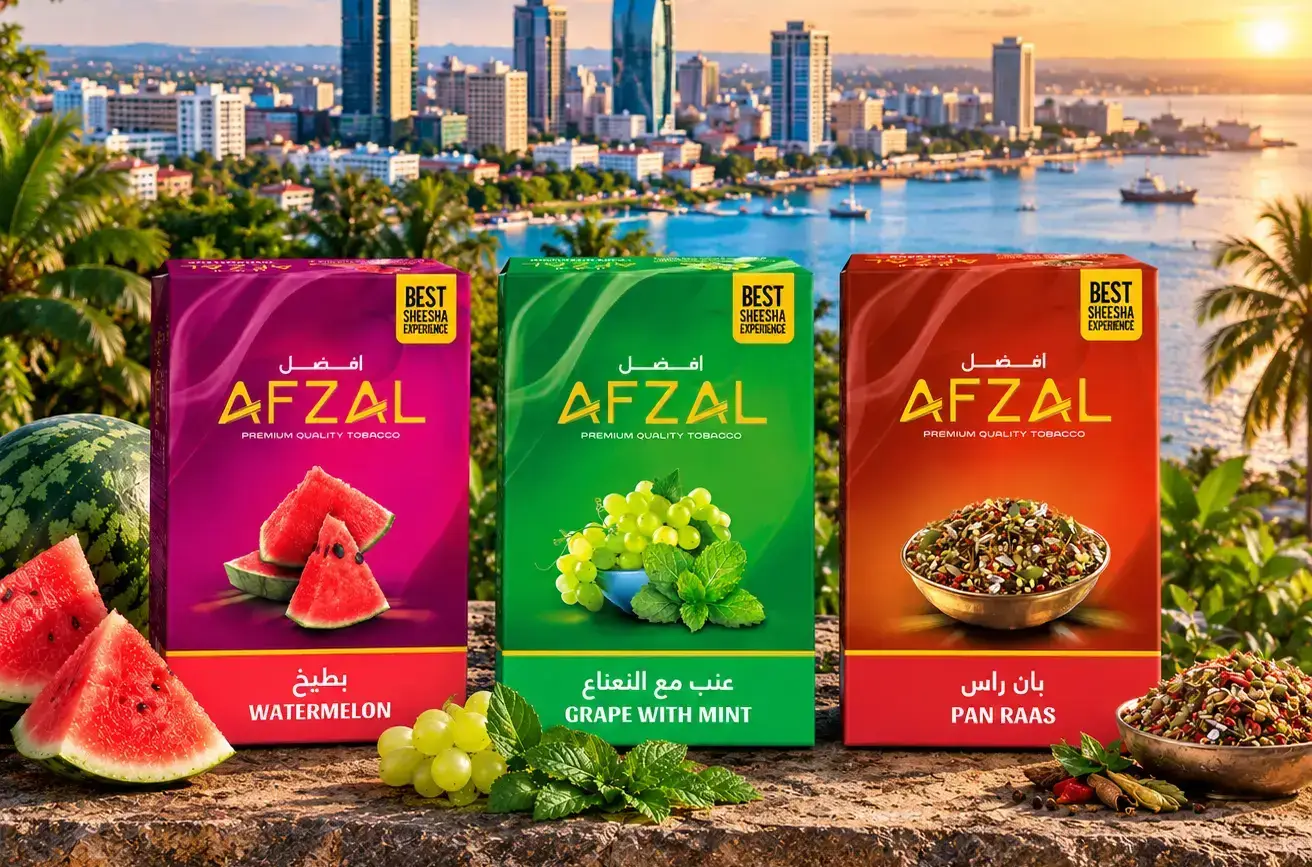
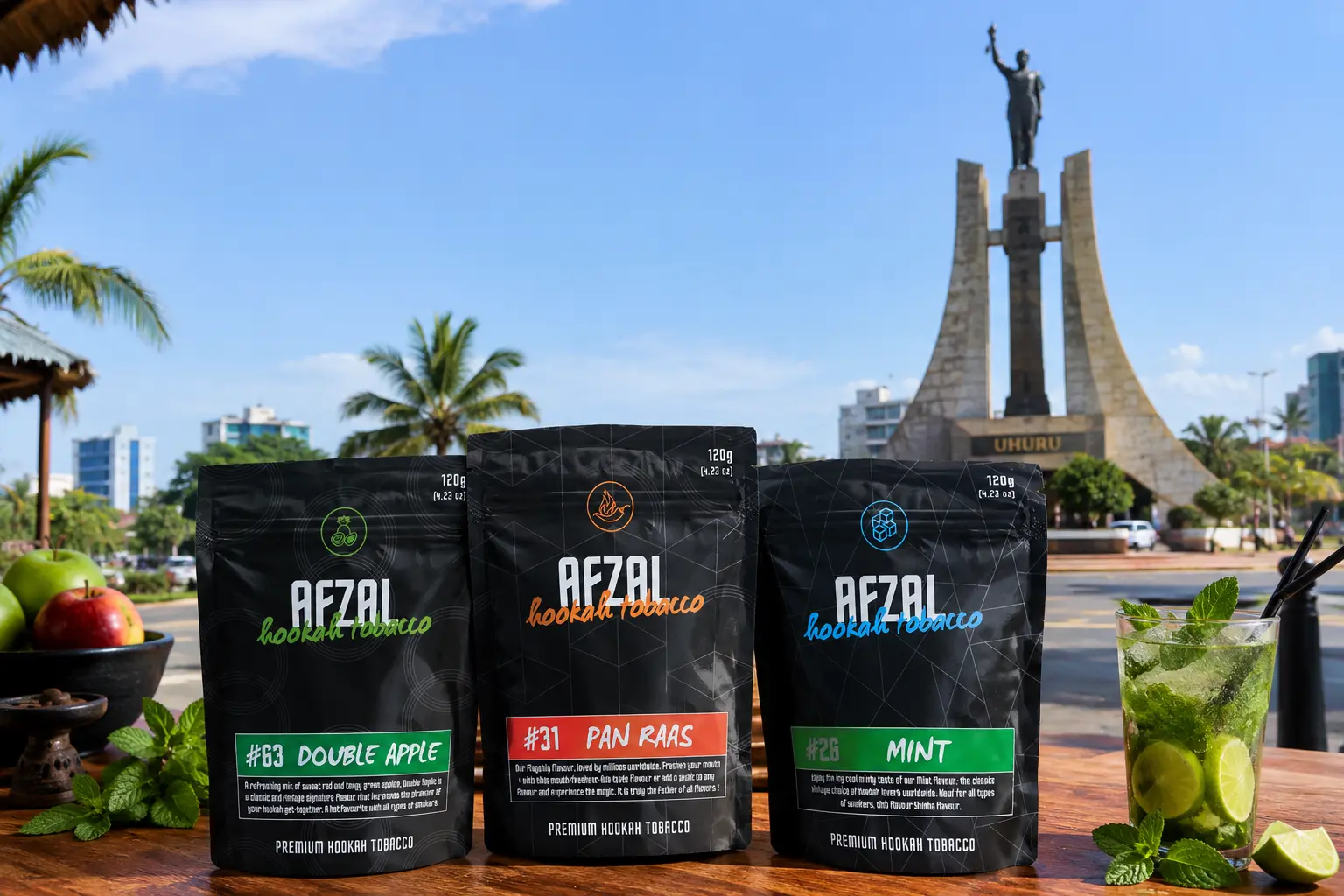
SOEX provides an example of this approach through its international manufacturing and export background, while Afzal represents its hookah tobacco brand portfolio. Afzal’s documented range includes fruit, mint, spicy and other flavour categories, with formats including 50 g, 250 g and 1 kg packs. SOEX also has a separate Herbal Molasses range, which should not be confused with Afzal tobacco products.
Understanding these differences helps local businesses read an international catalogue more accurately and assess how its products fit into their own assortment.
Understand the Manufacturer Behind the Wholesale Catalogue
The first step in assessing an international wholesale catalogue is identifying the company responsible for the product portfolio.
A manufacturer, brand owner, supplier and distributor may perform different roles. A manufacturer produces the products. A brand owner manages the identity under which products are presented. A supplier provides products to business customers, while a distributor makes products available through a particular commercial network.
These roles can overlap, but they should not automatically be treated as interchangeable.
For a business evaluating a wholesale hookah tobacco supplier, this distinction helps answer practical questions:
- Which company is responsible for the product range?
- Which brand name appears on the products?
- Does the catalogue represent one brand or several product lines?
- Are tobacco and tobacco-free products presented separately?
- Does the catalogue identify the available product formats?
Manufacturer identity and brand identity
A manufacturer’s background provides context about the business behind a catalogue. Its brand portfolio explains how products are organised and presented to buyers.
For example, SOEX is an Indian manufacturer and exporter with an international presence spanning more than 60 countries. Afzal is part of its hookah tobacco portfolio.
This distinction is useful when a local business evaluates the catalogue. SOEX identifies the manufacturing company, while Afzal identifies the hookah tobacco brand that buyers may recognise in the product range.
A clear catalogue should make both identities understandable instead of presenting the manufacturer and brand as though they were the same thing.
Read the Product Range as a Structured Portfolio
A wholesale catalogue should be evaluated as a structured product portfolio, not simply by the number of products listed.
A long flavour list may appear extensive, but businesses also need to understand how those products are grouped. A well organised range makes it easier for a hookah tobacco distributor to present categories, for a wholesaler to compare product options and for a retailer to understand the assortment.
Three levels are particularly useful.
Product category: The broad classification, such as fruit, mint, spicy, beverage or sweet.
Flavour variant: The individual flavour name within that category, such as Double Apple, Blueberry or Green Mint.
Product format: The pack size or other product configuration in which the flavour is listed.
These levels should remain distinct. For instance, Blueberry is a tabacco flavour variant, fruit is its category, and 250 g is a pack format. Treating all three as equivalent product names can make a catalogue difficult to interpret.
Why range organisation matters to local businesses
Consider a distributor preparing a product presentation for several retail accounts. One buyer may want to review fruit flavours, while another may be interested in mint or traditional spicy options.
If the catalogue groups products by flavour family and clearly identifies individual variants, the distributor can present the range according to each buyer’s product interests.
The same structure helps a retailer review its existing assortment and identify which categories are represented. It also gives a lounge operator a clearer overview of the available flavour options without requiring the entire catalogue to be explained product by product.


Explore the Flavour Families in Depth
Flavour variety is one of the most visible parts of a hookah tobacco catalogue. However, the value of a range is not determined by the number of names alone. Businesses need to understand the different flavour families, the individual variants within them and how those products are classified.
Afzal’s documented portfolio provides examples across several flavour categories. When a hookah tobacco supplier presents these categories clearly, buyers can understand the range without confusing individual flavours with broader product groups.
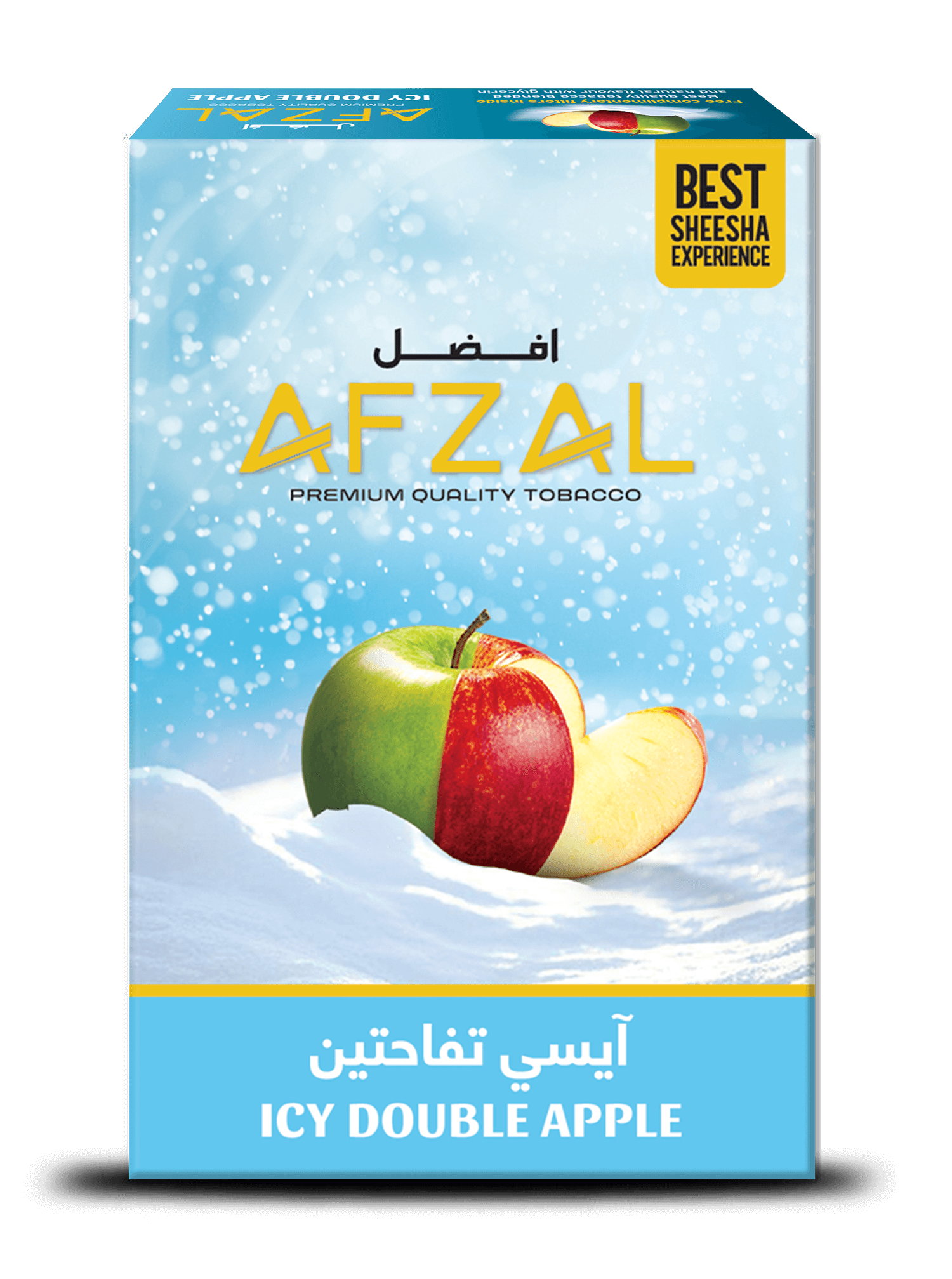
Fruit flavours: A broad category with distinct variants
Fruit flavours form an important category in many hookah tobacco catalogues. The category can include individual fruit names as well as familiar combinations.
Examples from the documented Afzal range include:
- Double Apple Tabacco Flavour
- Grape Tabacco Flavour
- Watermelon Tabacco Flavour
- Strawberry Tabacco Flavour
- Orange Tabacco Flavour
- Mango Tabacco Flavour
- Lychee Tabacco Flavour
- Melon Tabacco Flavour
- Grapefruit Tabacco Flavour
For a wholesaler, these names make it easier to distinguish individual products within the same broad category. A retailer can also use the flavour names to organise its product presentation rather than listing every item under a general fruit heading.
The distinction between a category and its variants is particularly important when a catalogue contains several fruit options. A product list that simply says fruit flavours does not provide the same level of information as one that identifies each available variant.
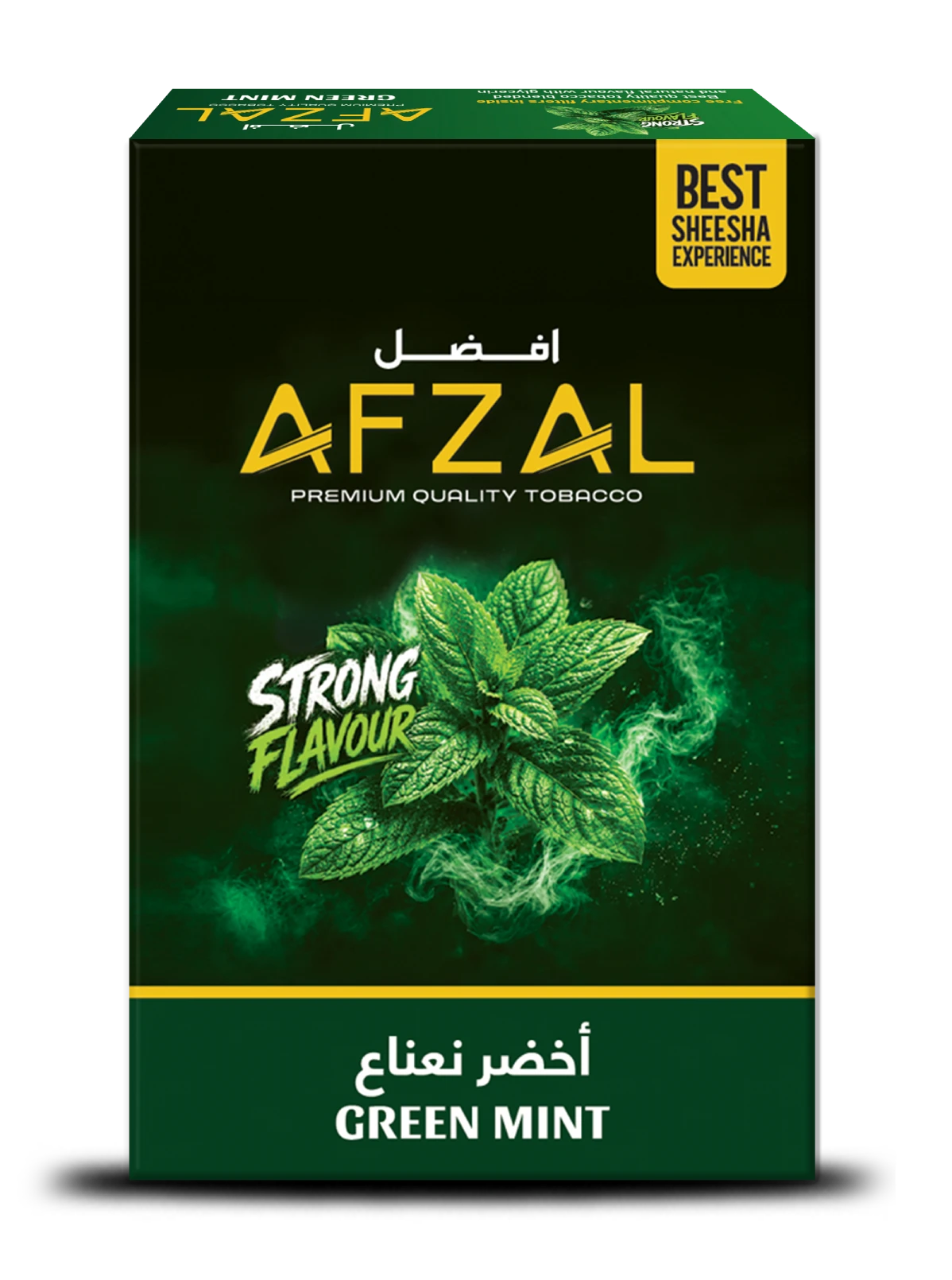
Mint and cooling flavours
Mint is another recognisable flavour family. It should be distinguished from the broader fruit category and from individual fruit-and-mint combinations where those are part of a manufacturer’s actual range.
Documented Afzal examples include:
These names allow buyers to identify the mint related products listed in the catalogue. They should be presented as individual variants rather than treated as interchangeable names.
For a distributor, clearly separated mint listings also make it easier to communicate the range to different retail accounts. A product catalogue should use consistent naming across its product descriptions, pack information and ordering references.

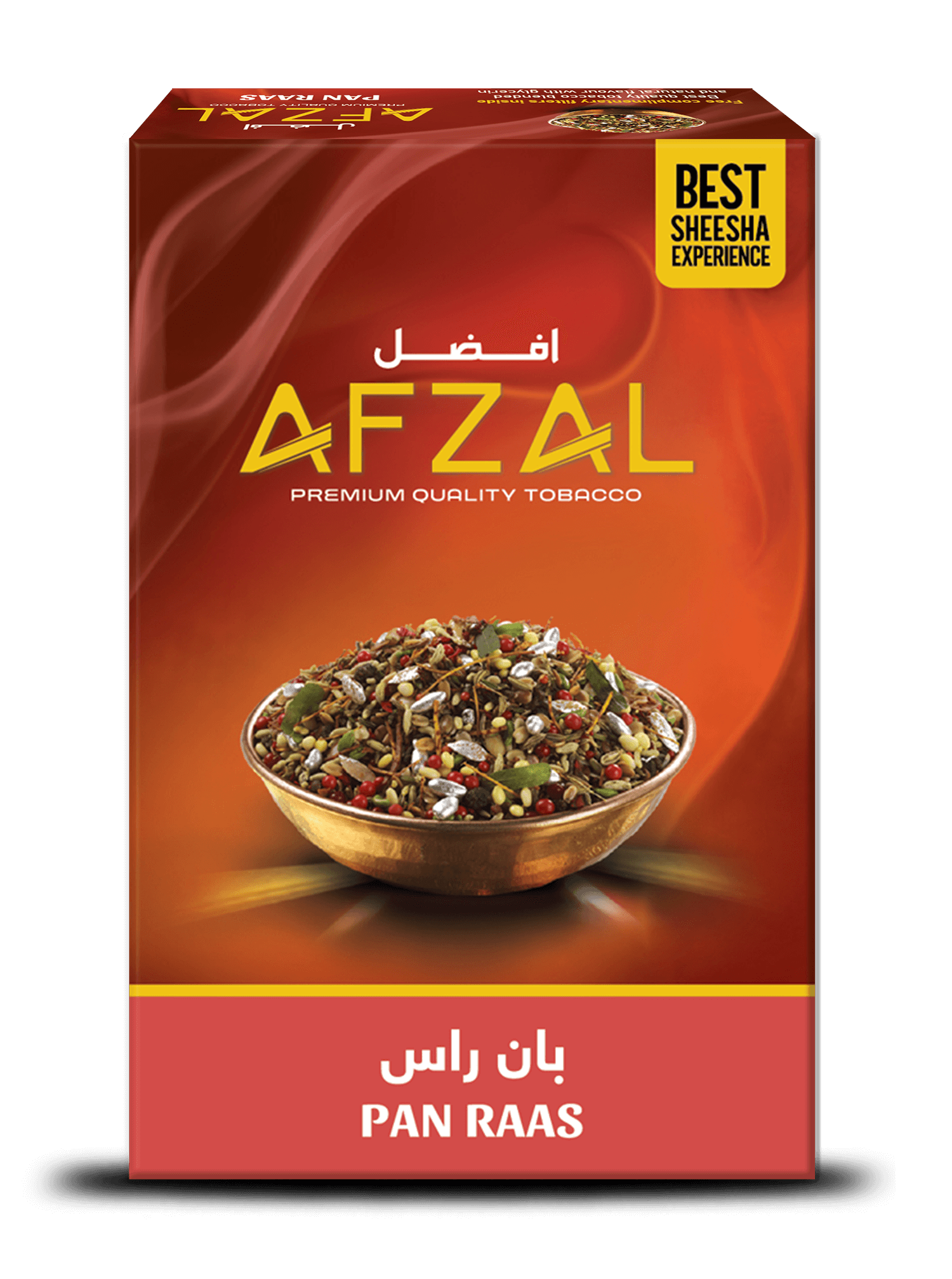
Spicy and traditional flavour options
A catalogue may also include flavour categories associated with traditional naming and established product identities.
Afzal’s documented spicy range includes:
These examples demonstrate why flavour classification needs to go beyond broad descriptions. Individual names help businesses distinguish products within the same category and communicate the available range more accurately.
For a local retailer or lounge, this level of detail is useful when organising a catalogue or product list for customers who ask for a particular flavour by name.


Beverage flavours
Beverage is a separate flavour family that can be used to organise products associated with beverage inspired hookah Flavour.
For a wholesale buyer, the important point is to distinguish the category from its individual products. A catalogue should list the actual product names under this heading rather than relying on the category label alone.
Individual beverage flavour examples should only be included when they appear in the manufacturer’s current product catalogue. This keeps the product presentation accurate and prevents businesses from planning an assortment around names that have not been established.
Sweet flavours
Sweet is another category that should be treated separately from fruit, mint and spicy options.
A catalogue can use this classification to help buyers understand the breadth of the product range. However, individual sweet flavour names should be taken from the manufacturer’s documented range rather than assumed from general industry terminology.
This is especially important for international wholesale presentations, where a product name may need to be communicated consistently across different languages and markets.
Blended and multi note products
Some catalogues may also include blends that combine more than one flavour identity. These should be listed according to the manufacturer’s actual product naming and classification.
A blend should not be assigned to a category simply because one of its flavour components belongs there. Consistent product descriptions help distributors avoid confusion when presenting the same item across different accounts.
For International Hookah Tabacco Brand Catalogue, Visit the wholesaler Exporter Site for Russia.
Why Product Naming and Catalogue Classification Matter
International catalogues often reach buyers who use different languages and naming conventions. A flavour name that is familiar in one market may require additional explanation in another.
This does not mean that the manufacturer’s original product identity should be changed. Instead, the catalogue should maintain a consistent product name and provide clear supporting descriptions where necessary.
For local distributors and retailers, this creates a practical reference point when presenting products to business customers.
A useful product entry should ideally identify:
- The manufacturer or brand.
- The official product or flavour name.
- The flavour category.
- The available pack format.
- A product description, where supplied by the manufacturer.
- A product reference or SKU, where available.
For businesses working with Russian language catalogues, consistent transliteration and translation can also help prevent the same product from appearing under multiple names. The original brand and product identity should remain recognisable even when supporting descriptions are localised.
What a Useful International Wholesale Catalogue Should Explain
A wholesale catalogue should help a business understand what the manufacturer offers and how each product is identified.
For a distributor or a wholesale hookah tobacco supplier, the following information can make a catalogue more useful:
Manufacturer and brand information: The company responsible for the product and the brand under which it is listed.
Product category: The flavour family or product classification.
Individual product name: The official name used to identify each variant.
Pack format: The available individual pack sizes.
Product reference: An SKU or other identifier, where provided.
Product description: A concise explanation of the listed product, based on manufacturer information.
Commercial information: Pricing, minimum order quantities, case quantities, samples, lead times and territory information, where the manufacturer has supplied those details.
These details serve different purposes. Product information helps a buyer understand the assortment, while commercial information supports business discussions.
A catalogue should not leave the buyer to infer one detail from another. For example, a listed 1 kg format does not establish the number of units in a carton, and a product listing does not automatically establish its minimum order quantity.
For local businesses, the most useful catalogue is one that separates confirmed product information from commercial terms and presents both clearly.
Distinguish Hookah Tobacco from Tobacco-Free Products
One of the most important distinctions in a multi-product manufacturer’s portfolio is the difference between tobacco and tobacco-free product lines.
These should not be grouped together under a single product description merely because they are associated with hookah products.
Afzal belongs to SOEX’s hookah tobacco portfolio. SOEX Herbal Molasses is a separate tobacco-free product line. When describing this distinction, the phrase SOEX tobacco-free blend should refer to the separate Herbal Molasses range, not to Afzal tobacco products.
For wholesalers and distributors, this distinction matters when organising catalogue sections, preparing product descriptions and presenting the manufacturer’s portfolio to retail or lounge accounts.
A clear catalogue should identify the product type and brand correctly. It should also keep product names, descriptions and pack information attached to the relevant product line.
This avoids confusion between products that have different compositions and should be presented as separate catalogue categories.
8. How SOEX and Afzal Represent a Manufacturer and Brand Portfolio
The relationship between SOEX and Afzal illustrates how an international manufacturer and a product brand can be represented within one wholesale catalogue.
SOEX is an Indian manufacturer and exporter with an international presence across more than 60 countries. Its portfolio includes Afzal hookah tobacco, SOEX Herbal Molasses, Irfaz Shisha Charcoal and accessories.
Afzal represents the hookah tobacco brand within this wider portfolio. Its documented flavour range includes fruit options such as Double Apple, Grape, Watermelon and Blueberry; mint options such as Green Mint, Lemon Mint and Ice Burst; and spicy options such as Pan Raas, Chief Commissioner and Bombay Pan Masala.
For a buyer searching for an Afzal hookah flavour, the catalogue’s individual product names and category structure provide a clearer way to identify the relevant range. Its listed pack formats include 50 g, 250 g and 1 kg.
This gives a local distributor several distinct pieces of information to understand:
- SOEX is the manufacturer and exporter.
- Afzal is the hookah tobacco brand.
- The Afzal catalogue contains multiple flavour families and named variants.
- The listed pack formats identify individual product weights.
- SOEX Herbal Molasses is a separate tobacco-free range.
- Other SOEX portfolio categories, such as Irfaz Shisha Charcoal and accessories, should be identified separately from Afzal tobacco products.
For a wholesale buyer, this structure is more useful than treating every product under the manufacturer’s name as one undifferentiated range. - It also gives distributors and retailers a clearer way to introduce the manufacturer, explain the brand and present the relevant product category.
- Businesses looking to understand the brand’s product range can explore the Afzal and SOEX product portfolio.
Common Catalogue Problems That Make Wholesale Evaluation Difficult
Even a large catalogue can be difficult to use if product information is inconsistent. Local businesses should pay attention to several common problems when reviewing international product lists.
Unclear manufacturer and brand names: A catalogue should identify the manufacturer and the brand separately where they are different.
Category names without product variants: A heading such as Fruit or Mint is not a complete product listing. Individual flavour names should be included.
Inconsistent flavour naming: The same product should not appear under different spellings or translations without a clear reason.
Missing pack information: Product names should be accompanied by the available pack format.
Confusion between pack size and carton quantity: Individual net weight and outer case quantity should be identified separately.
Mixed product lines: Tobacco and tobacco-free products should be classified accurately.
Incomplete commercial details: Where pricing, MOQ, case quantities or lead times are relevant, the catalogue should identify the information supplied by the manufacturer instead of leaving buyers to make assumptions.
For a distributor, these details affect how easily the range can be presented to business customers. For a retailer or lounge, they help make the product list easier to understand.
Frequently Asked Question
1. What should an international hookah tobacco wholesale catalogue include?
It should identify the manufacturer, brand, product categories, individual flavour names, available pack formats and product references. Commercial information such as pricing, minimum order quantities and carton quantities can also be included where supplied by the manufacturer.
2. What is the difference between a hookah tobacco manufacturer and a supplier?
A manufacturer is responsible for producing the product. A supplier provides products to business customers and may source them from a manufacturer or another business. A company may perform more than one role, so its actual position should be identified clearly.
3. Which flavour families should a hookah tobacco catalogue distinguish?
A catalogue may classify products into fruit, mint, spicy, sweet, beverage and blended categories. Individual product names should be listed under the relevant category rather than relying only on broad flavour headings.
4. What is the difference between a pack size and a carton quantity?
Pack size refers to the net weight of an individual product pack, such as 50 g, 250 g or 1 kg. Carton quantity refers to the number of individual packs inside an outer case. These are separate product details.
5. Why should a catalogue distinguish the manufacturer from the brand?
The manufacturer identifies the company behind the product, while the brand identifies how the product is presented in the market. This distinction helps distributors and wholesalers understand the relationship between a company’s portfolio and its individual product ranges.
6. What is the difference between hookah tobacco and tobacco-free hookah blends?
Hookah tobacco products contain tobacco, while tobacco-free blends are a separate product category. A catalogue should identify these lines accurately and avoid presenting them as interchangeable products.
7. Why is manufacturer background relevant to wholesale buyers?
Manufacturer background helps buyers understand which company is responsible for the product portfolio, which brands it manages and how its product categories are organised. It also provides useful context when presenting the range to retail and lounge accounts.
Explore Afzal for Importer Distribution in Russia
With its diverse flavour range and multiple pack formats, Afzal is worth exploring for Russian importers, wholesalers and distributors seeking a distinctive addition to their B2B offering. Backed by SOEX, an established hookah tobacco supplier, Afzal offers wholesale buyers a range of Afzal hookah flavours to consider for their distribution networks.
For businesses looking for a reliable wholesale hookah tobacco supplier or exploring opportunities as a hookah tobacco distributor in Russia, connect with SOEX to discuss wholesale supply and distribution opportunities.