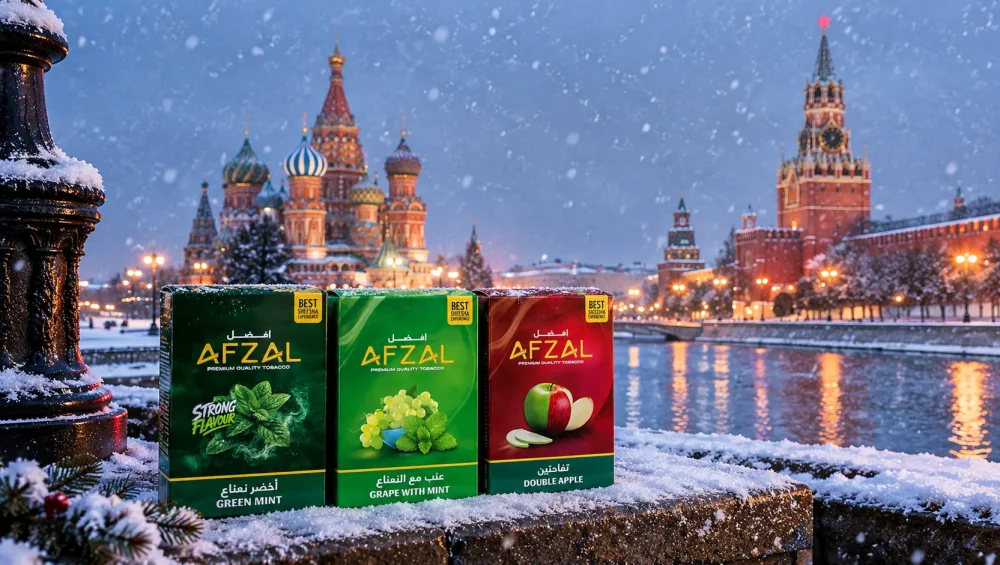
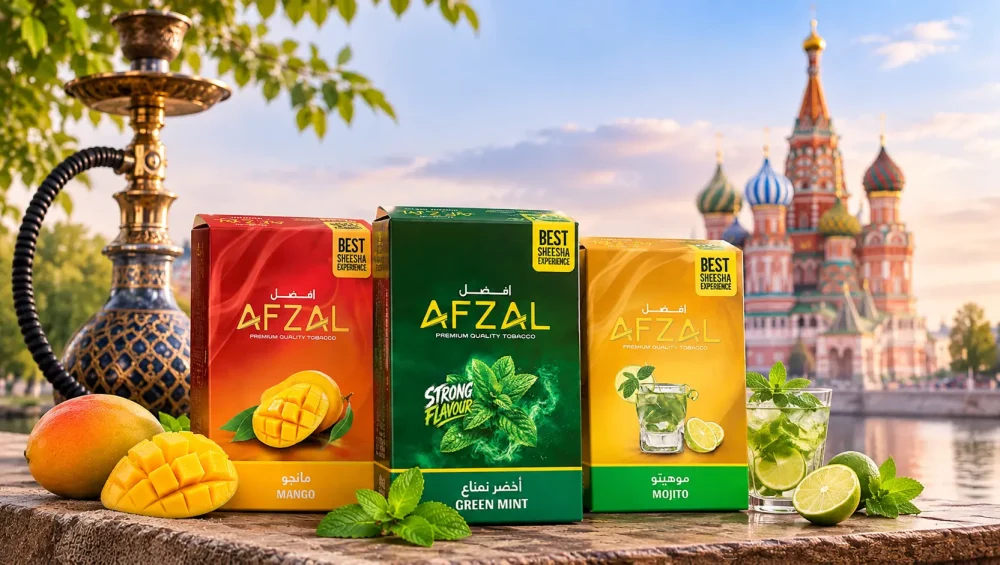
afzal-shisha-flavour-in-russiaCategoriesUncategorized

The Business of Flavour Innovation | How New Taste Concepts Become Part of a Local Product Portfolio

Flavour innovation plays an important role in how a hookah tobacco manufacturer develops and expands its product portfolio. Introducing a new flavour is not simply about adding another name to a catalogue. It involves creating a distinct product identity, developing recognisable flavour combinations and establishing how each offering contributes to the wider range.

For distributors, importers, wholesalers and hookah lounges in Russia searching for shisha flavour, understanding these differences is useful when evaluating a manufacturer’s catalogue. A portfolio containing fruit, mint, sweet, beverage inspired and traditional flavour families offers different product identities that businesses can assess according to their wholesale requirements.

SOEX, an Indian hookah flavour manufacturer and exporter, brings together multiple product categories through its international portfolio. One of its established brands, Afzal, offers a diverse selection of hookah tobacco flavours, including familiar profiles and distinctive combinations.

Understanding how these flavour concepts are developed, categorised and presented provides a practical perspective on product differentiation and wholesale portfolio organisation.

 Understanding Flavour Innovation in the Hookah Tobacco Industry

Flavour innovation refers to developing new flavour concepts, combinations and product identities that contribute something distinct to an existing product range.

For a manufacturer, this process involves identifying a flavour direction, developing its formulation and determining how the finished product fits within the brand’s existing portfolio.

There are two important approaches to flavour innovation.

New flavour concepts

These introduce a different flavour direction to an existing catalogue. A manufacturer may expand a fruit category with another individual fruit profile or introduce a separately identified beverage-inspired offering.

Flavour combinations

These bring familiar flavour directions together to create a distinct blend. For example, an individual apple flavour and an apple-and-mint combination represent different product identities, even though they share a familiar flavour component.

For a bulk hookah tobacco supplier, maintaining these distinctions is important when developing a product catalogue.

A well-structured portfolio should communicate:

  • The individual flavour identity.
  • The category to which the product belongs.
  • Whether it is an individual profile or a combination.
  • Its position within the manufacturer’s product line.
  • Its confirmed packaging specifications.

These elements help distributors and wholesalers understand what differentiates one product from another rather than evaluating a catalogue solely by the number of listed flavours.

2. Exploring the Five Major Flavour Families

Flavour families provide the foundation for organising a diverse hookah tobacco catalogue. Each category represents a different direction, while individual products retain their own identities.

Fruit Flavours: Familiar Profiles and Combinations

Fruit flavours form an important category within the Afzal portfolio. They include recognisable individual fruit identities and combinations developed around different fruit profiles.

Examples include:

Each product represents a separate flavour identity. Combinations can introduce further distinctions, such as fruit profiles paired with mint or other flavour directions.

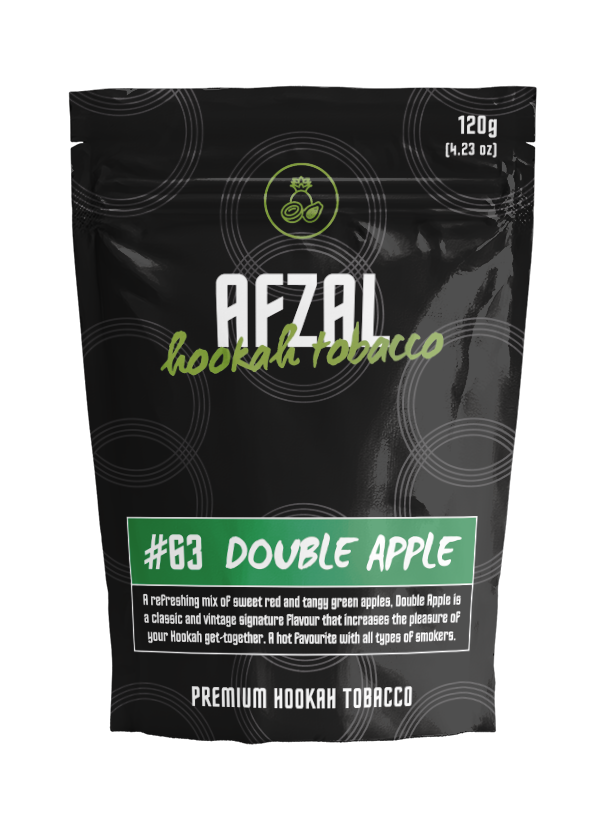
Afzal’s published catalogue includes products such as Double Apple, Watermelon, Grape and Blueberry. These examples demonstrate the variety available within a single flavour family.

For distributors and specialist retailers, retaining individual product names is important when preparing catalogue listings and presenting a manufacturer’s range to business accounts.

Mint and Cooling Flavours: Distinct Expressions of Freshness

Mint and cooling tabak flavours represent another category within a diversified hookah tobacco portfolio.

However, dedicated mint products and combinations containing mint should not automatically be treated as identical offerings.

Examples from the Afzal range include:

Each has its own product identity and should be represented using its manufacturer-listed name.

For a hookah tobacco distributor, this distinction helps maintain accurate catalogue information and makes it easier to differentiate individual products within the cooling category.

Sweet Flavours: Adding Another Dimension to the Portfolio

Sweet flavours introduce a separate direction within a manufacturer’s product range.

Dessert inspired and confectionery associated concepts are examples of this flavour family. However, general descriptions should not be confused with officially listed manufacturer products.

Afzal maintains a separately identified sweet category within its published portfolio.

For wholesalers and importers, this provides another product family to consider when evaluating the breadth of the brand’s catalogue alongside its fruit, cooling, beverage and spicy offerings.

Beverage Inspired Flavours: Beyond Individual Fruit Profiles

Beverage-inspired concepts bring drink associated flavour directions into a hookah tobacco catalogue.

Examples of this category can include cola inspired profiles, citrus drink concepts and mojito inspired combinations.

The distinction between an individual fruit profile and a beverage inspired combination is particularly important.

For example, a lychee fruit flavour and a Lychee Mojito product represent different flavour identities.

Afzal’s published portfolio includes Lychee Mojito as a separately identified beverage offering. This demonstrates how beverage-inspired concepts can sit alongside traditional fruit and mint categories.

Spicy and Traditional Flavours: Distinctive Product Identities

Spicy and traditional flavour profiles contribute another dimension to a diversified catalogue.

These offerings may draw on traditional flavour references and distinctive naming conventions, giving them identities separate from conventional fruit, cooling and beverage categories.

Examples from Afzal’s published range include:

For professional buyers, these products should be identified by their individual names rather than grouped under a broad description.

A clearly organised spicy and traditional category helps distributors, importers and specialist retailers understand the full scope of a manufacturer’s product offering.

3. How Flavour Innovation Creates Product Differentiation

Introducing additional products does not automatically create meaningful differentiation. A new offering needs a recognisable identity and a clear relationship with the manufacturer’s existing range.

For a hookah flavour manufacturer, product differentiation can develop through several approaches.

Expanding existing flavour families

A manufacturer can introduce additional products within an established category. For example, a fruit range may contain several separately identified fruit profiles.

Developing new combinations

Combining familiar flavour directions can create a different product identity. An individual fruit profile and a beverage-inspired combination containing the same fruit component should be presented as separate offerings.

Introducing distinct product lines

Separate collections can provide additional portfolio distinctions. Standard Afzal products, Afzal Premium and other named collections should retain their individual product-line identities.

Maintaining recognisable product names

A product’s name is an important part of its identity. Consistent naming across packaging, manufacturer descriptions and wholesale catalogues helps avoid confusion between similar offerings.

For Russian distributors and importers, these distinctions are useful when reviewing products from an international hookah tobacco supplier.

Rather than focusing exclusively on the number of available flavours, professional buyers can assess how the products differ and how the complete catalogue is organised.

4. From a New Flavour Concept to a Recognisable Product

A flavour concept becomes a distinct catalogue offering through several stages of product development.

Although manufacturing methods differ between companies, the general process can be understood through the following stages.

1. Identifying the flavour direction

The starting point is defining the intended flavour identity. This could be an individual fruit profile, a cooling direction, a beverage-inspired concept or a combination of familiar flavour notes.

2. Developing the flavour combination

The proposed concept is developed by establishing its intended flavour direction and distinguishing it from existing products.

3. Formulation and product development

The manufacturer works on the formulation to establish the intended product identity and its position within the proposed range.

4. Sensory evaluation and consistency checks

The developed product is evaluated against its intended flavour profile. Consistency checks help establish whether the product maintains its defined identity.

5. Establishing the product identity

The final product requires an appropriate name, category and place within the manufacturer’s catalogue. Its information should remain consistent across official descriptions, packaging and wholesale listings.

For SOEX, manufacturing and international exports are connected through its wider product portfolio. Afzal represents its hookah tobacco brand, with multiple flavour categories and separately identified product lines.

This relationship between manufacturer, brand and individual product is important when international buyers review a supplier’s offering.

5. What Russian Distributors, Importers and Wholesalers Should Evaluate

Different business segments have different requirements when reviewing an international manufacturer’s catalogue. However, accurate product identification and clear wholesale information remain important across all of them.

For Hookah Tobacco Distributors

Distributors need to understand the breadth of a manufacturer’s range before presenting products to their business accounts.

A useful catalogue should provide:

  • Individual flavour names and categories.
  • Clear distinctions between flavour combinations.
  • Separate product-line identification.
  • Available packaging formats.
  • Consistent manufacturer and brand information.

For distributors working with multiple retail and wholesale accounts in Russia, these details provide a clearer foundation for product presentations and catalogue management.

For Importers and Bulk Buyers

Importers evaluating a bulk hookah tobacco supplier should consider the complete product offering rather than concentrating on a few individual flavour names.

Important information includes:

  • Manufacturer and brand identity.
  • Complete product catalogue.
  • Product-specific descriptions.
  • Product-line distinctions.
  • Confirmed packaging specifications.
  • Wholesale availability for selected products.

Businesses sourcing shisha tobacco wholesale can use this information to understand the manufacturer’s range and communicate their product requirements more clearly.

For Hookah Lounges

Lounges may review a manufacturer’s catalogue across several flavour families rather than concentrating on one category.

Fruit, mint, sweet, beverage-inspired and traditional profiles provide different product identities that can be evaluated according to the lounge’s own product requirements.

When reviewing tobacco flavour for a hookah lounge, individual product names and confirmed availability are important considerations.

For Specialist Retailers

Retailers benefit from maintaining consistent product information across their listings and inventory records.

Organising products by manufacturer, brand, product line and flavour family helps distinguish individual offerings and reduces unnecessary duplication.

For example, Afzal Green Mint and Afzal Lemon Mint should retain their respective product names rather than being combined into one generic mint listing.

This approach is useful for businesses managing a broader hookah tobacco wholesale catalogue.

6. Afzal: A Diverse Hookah Tobacco Portfolio for Professional Buyers

Afzal is a hookah tobacco brand under SOEX, with a published catalogue covering multiple flavour families and separately identified product lines.

For distributors, importers, wholesalers, specialist retailers and lounges, the brand provides a recognisable range to evaluate when reviewing an international manufacturer’s product portfolio.

Exploring the Afzal Flavour Categories

Fruit range

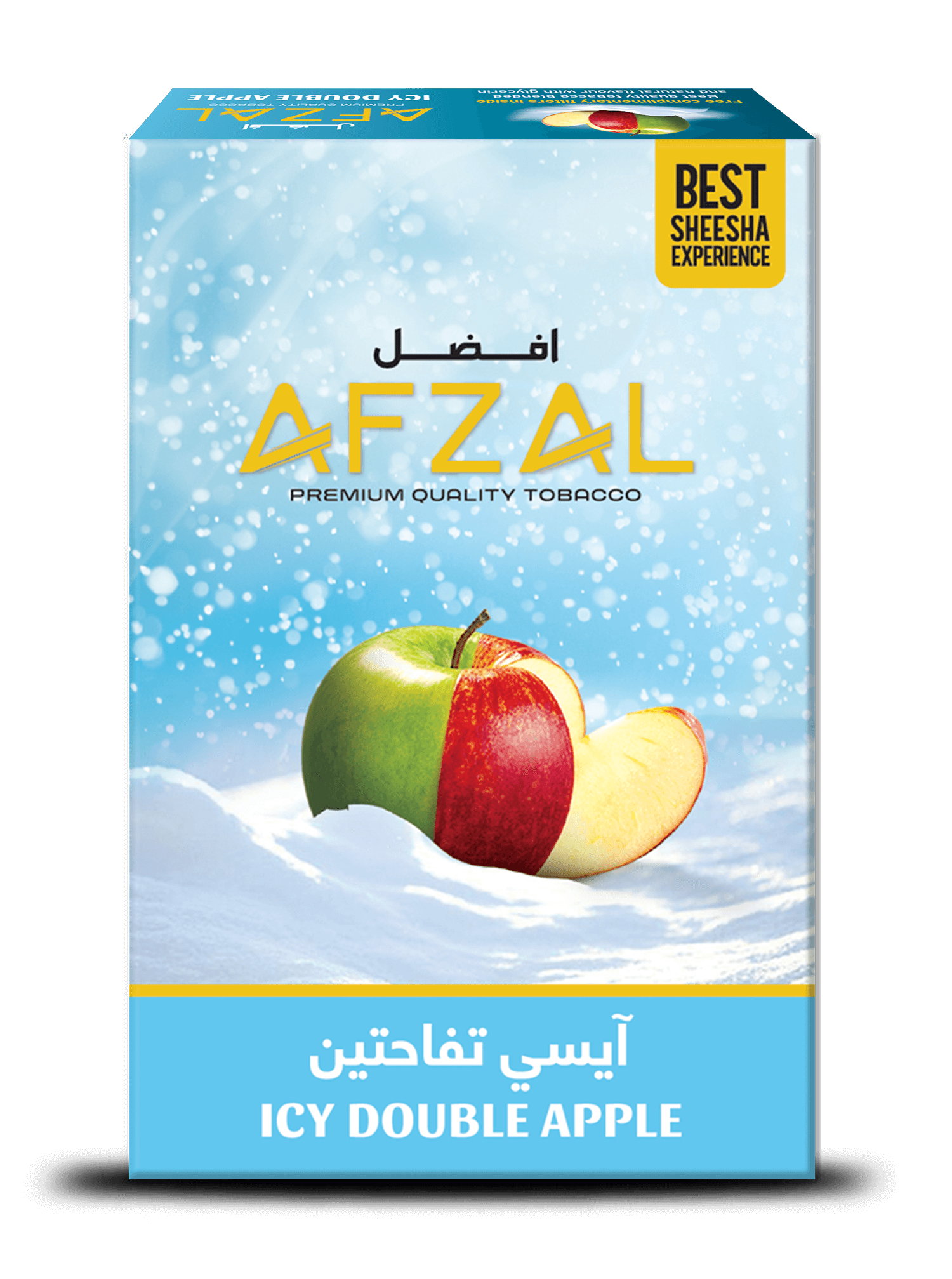
The fruit category includes Double Apple, Watermelon, Grape, Blueberry and Strawberry. Mango is another documented offering within SOEX’s published wholesale portfolio.

Mint and cooling range

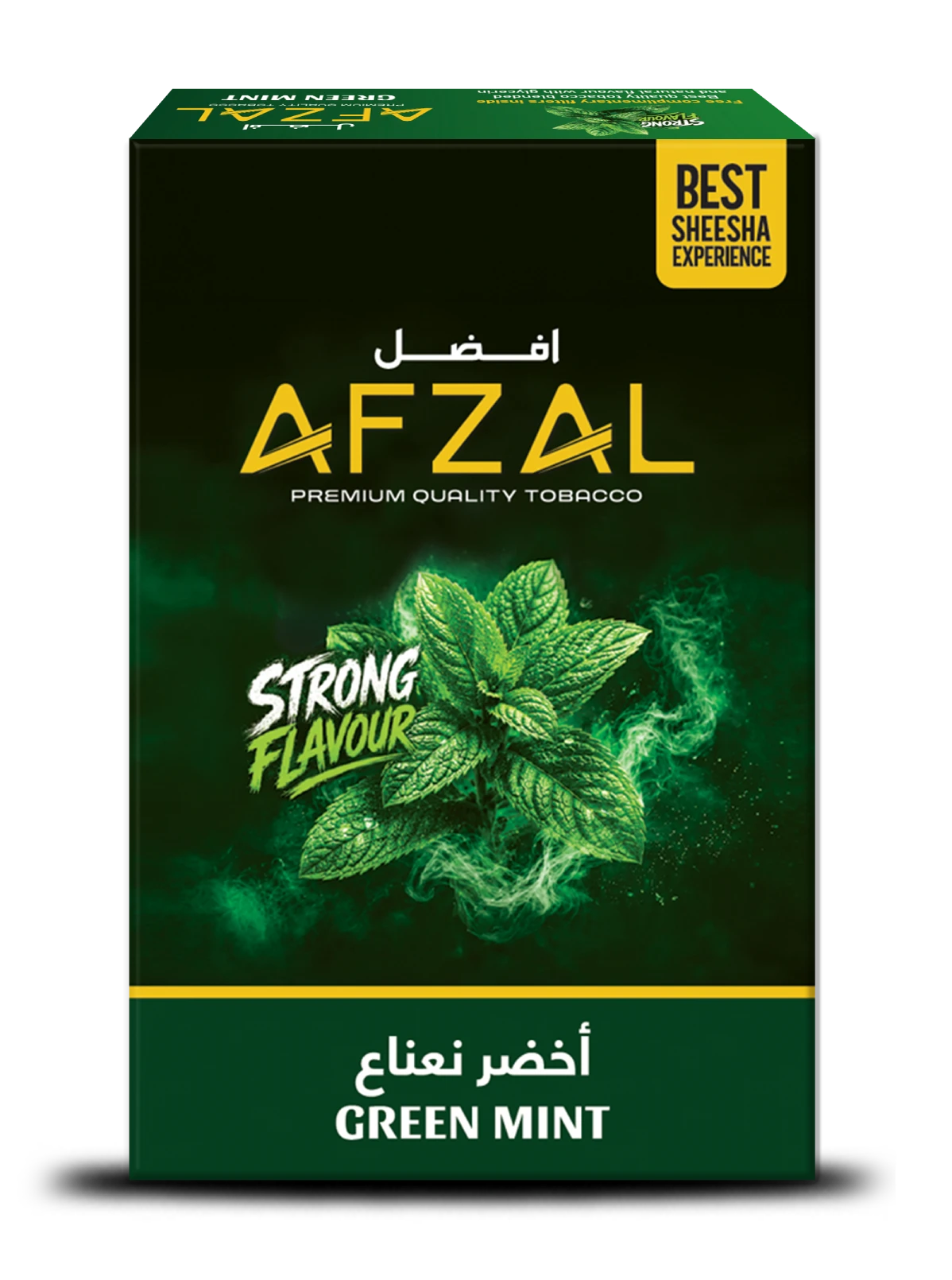
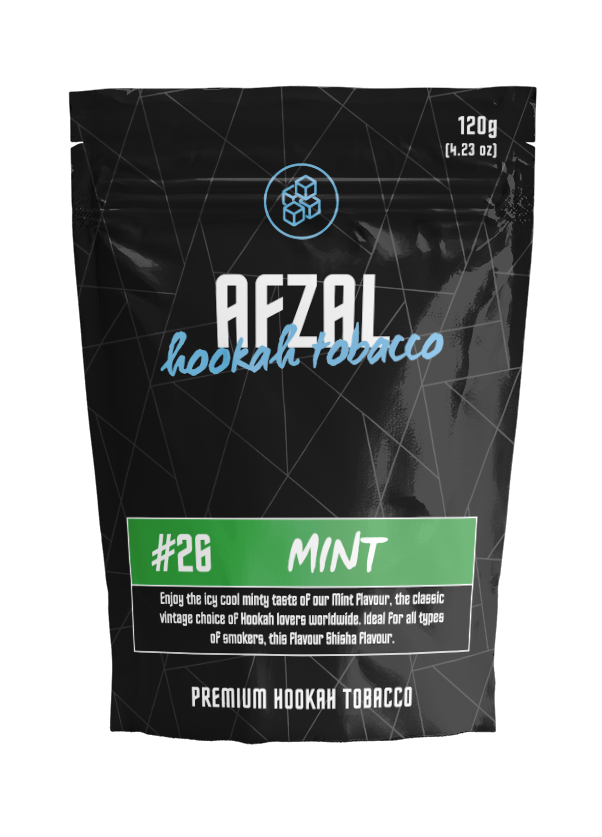
Green Mint, Lemon Mint, Ice Burst and Strong Mint represent separately identified products within the cooling category.

Sweet range

Afzal maintains a dedicated sweet collection, providing another distinct category within its wider product offering.

Beverage range

The beverage category includes separately identified concepts such as Lychee Mojito, extending the catalogue beyond individual fruit profiles.

Spicy and traditional range

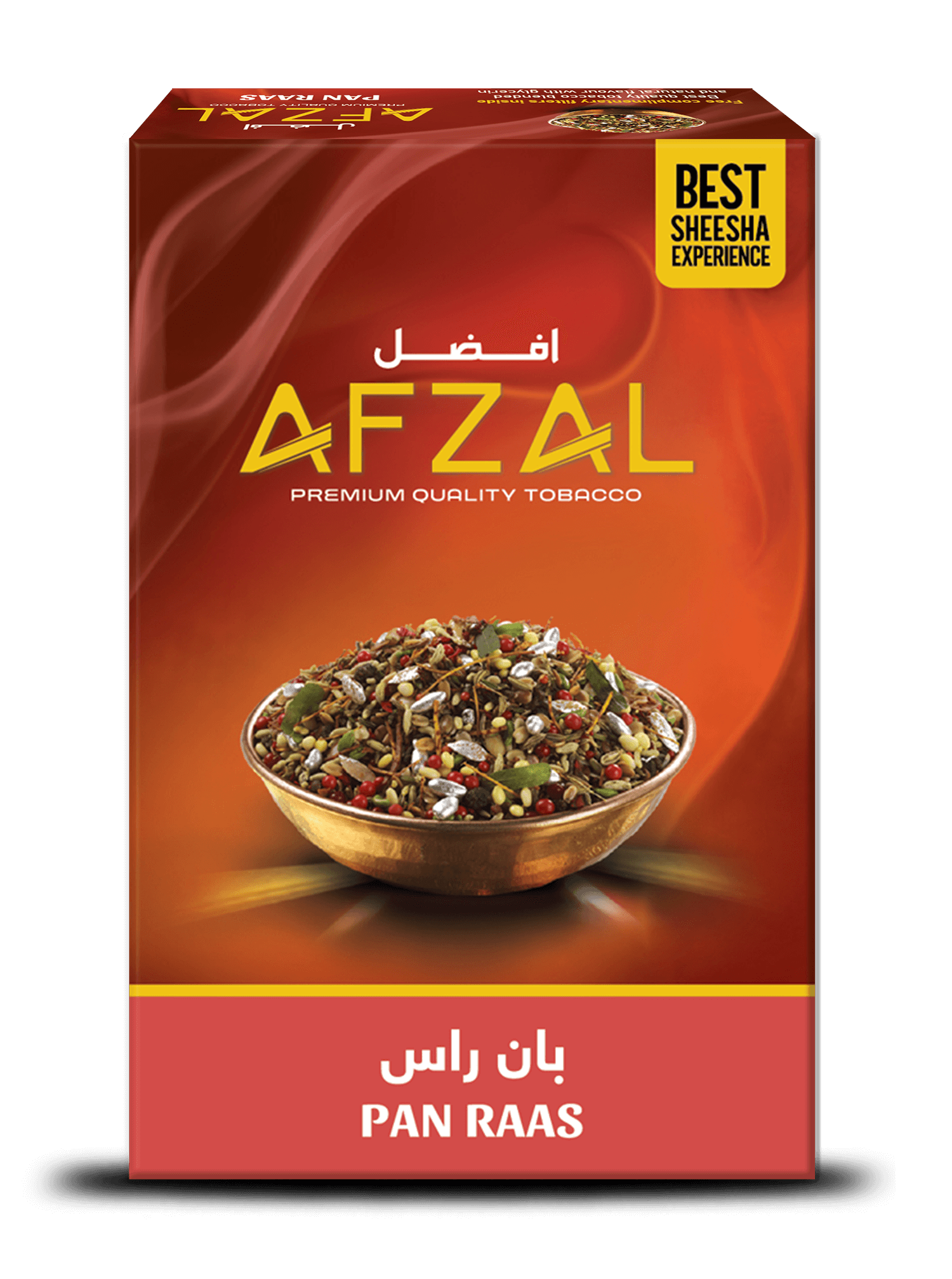
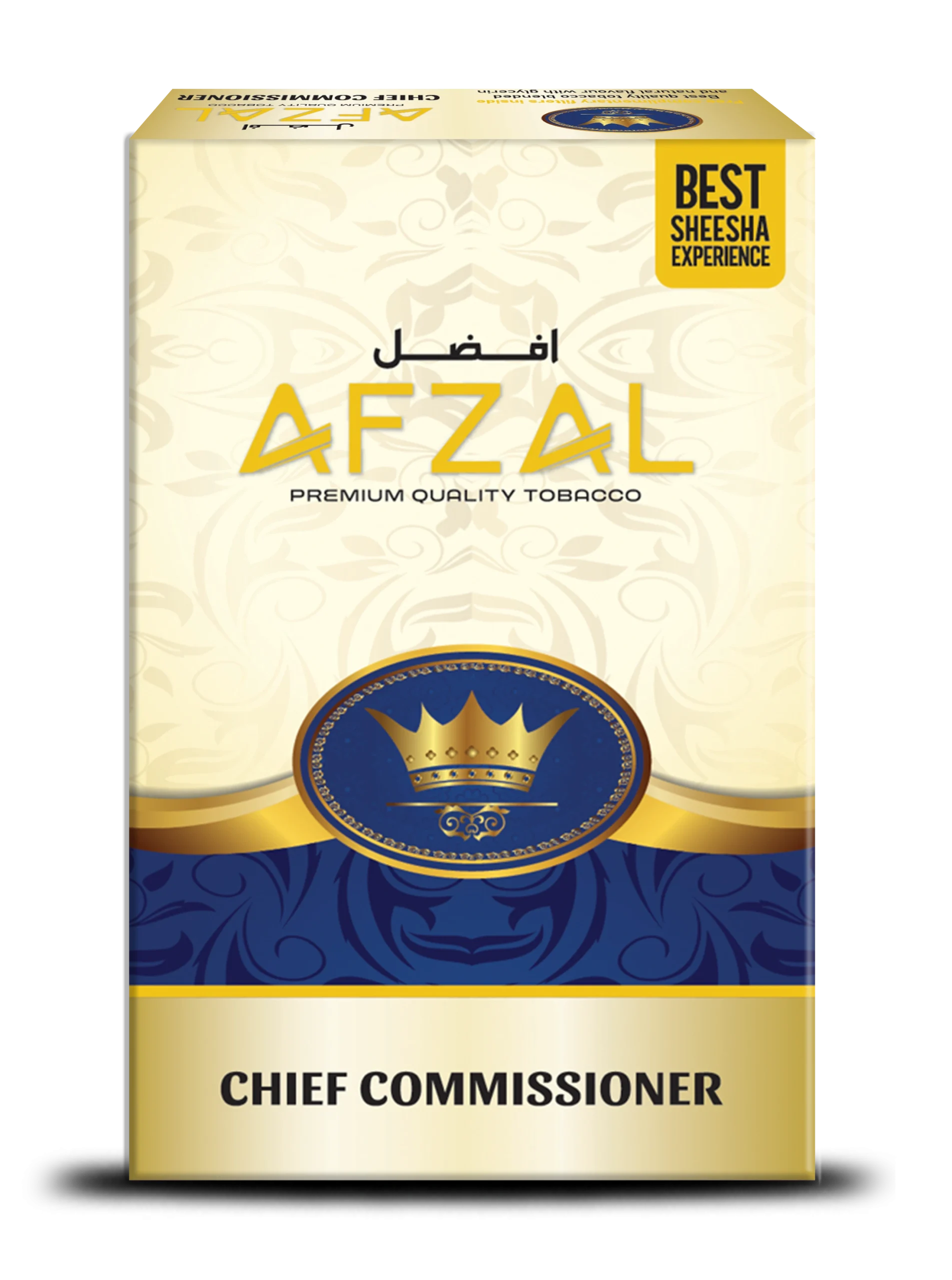
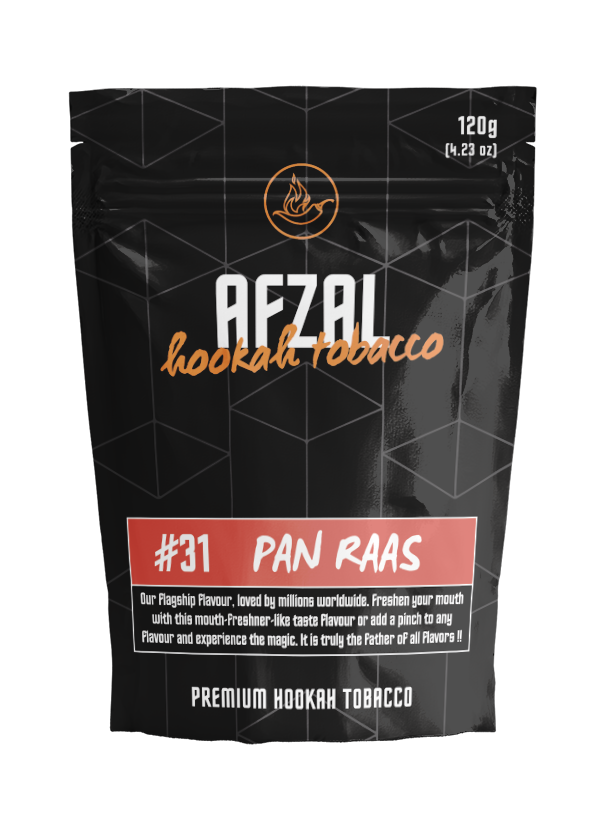
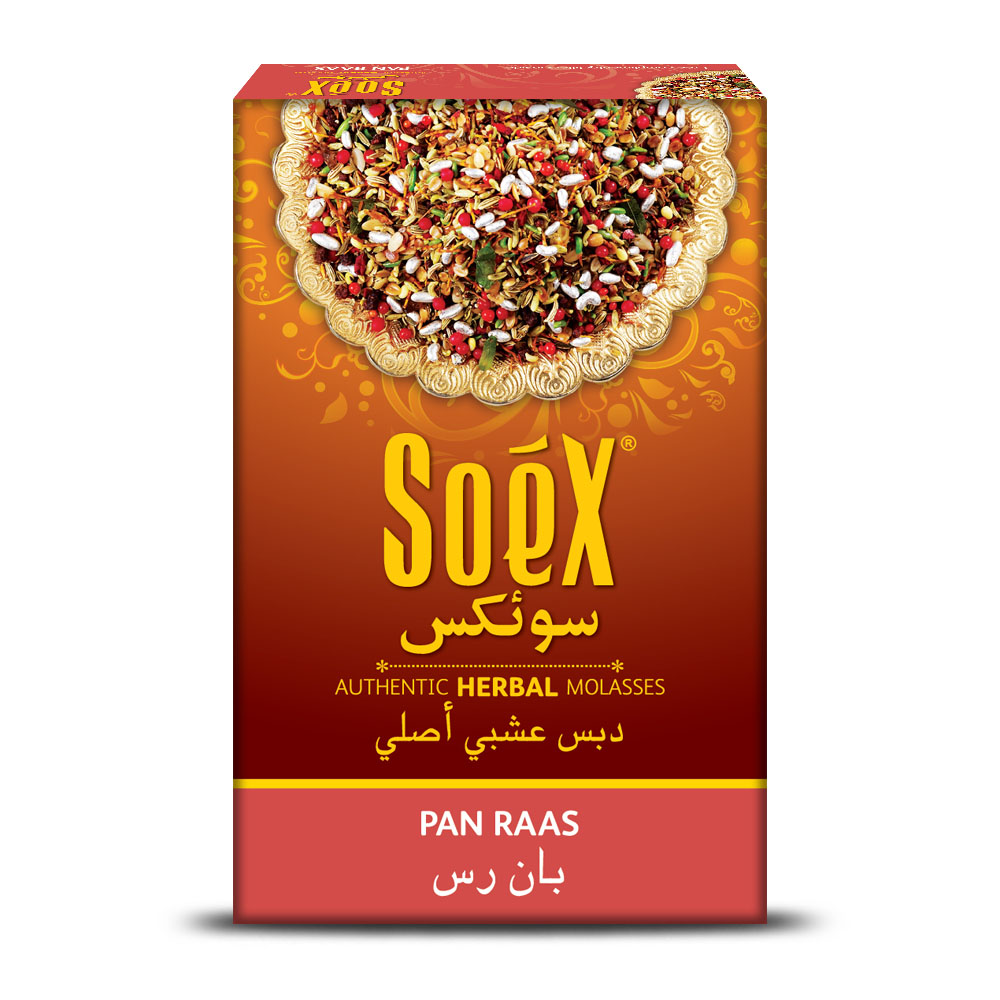
Pan Raas, Bombay Pan Masala and Chief Commissioner represent distinctive products within the spicy and traditional flavour direction.

Together, these categories demonstrate the breadth of the Afzal flavour portfolio and provide professional buyers with a structured way to understand its offerings.

Understanding Afzal Premium and Other Product Lines

Beyond the standard Afzal range, SOEX also presents separately identified product collections.

These include:

Afzal Premium is presented with its own Fruity, Icy and Spicy categories.

These collections should be distinguished from the standard Afzal range rather than treated as interchangeable product categories.

For distributors and importers, understanding these product-line differences is important when reviewing a manufacturer’s complete catalogue and preparing accurate wholesale listings.

Packaging Formats and Product Specifications

Packaging is another important consideration when evaluating a hookah tobacco wholesale supplier.

SOEX’s published wholesale information identifies packaging formats including:

  • 50 g
  • 250 g
  • 500 g
  • 1 kg

However, available formats can differ according to the specific product and product line. Buyers should confirm the applicable packaging details directly with the manufacturer.

When evaluating an Afzal product, professional buyers should be able to identify:

  • Manufacturer: SOEX.
  • Brand: Afzal.
  • Product line: Standard Afzal, Afzal Premium or another applicable collection.
  • Flavour: Exact manufacturer-listed product name.
  • Category: Fruit, cooling, sweet, beverage or spicy.
  • Packaging: Confirmed format for the selected product.

This provides a clearer foundation for product evaluation and wholesale communication.

7. SOEX: An International Hookah Flavour Manufacturer and Exporter

SOEX is an Indian hookah flavour manufacturer and exporter with an international business presence spanning more than 60 countries, according to its published company information.

Its portfolio includes several separately identified product categories:

  • Afzal Hookah Tobacco.
  • SOEX Herbal Molasses.
  • Irfaz Shisha Charcoal.
  • Hookah accessories.

For Russian distributors, importers and wholesalers, understanding the relationship between the manufacturer and its product brands is important when evaluating a potential wholesale supplier.

SOEX represents the manufacturing and export business, while Afzal identifies its hookah tobacco brand.

Individual Afzal products are further distinguished through their flavour categories, product names and separate collections.

It is equally important to maintain clear distinctions between SOEX’s other product categories.

For example, SOEX Herbal Molasses is a separate tobacco-free hookah mix and should not be presented as part of the Afzal tobacco range. Both belong to the wider SOEX portfolio but maintain different product identities.

For businesses exploring a hookah tobacco manufacturer or wholesale supplier in Russia, SOEX’s international portfolio provides a starting point for evaluating its brands and product offerings.

Explore SOEX’s regional offering: Hookah Tobacco Wholesale Supplier in Russia.

The dedicated regional page provides further information about SOEX’s Afzal product range and its wholesale and distribution offering for Russian businesses.

8. A Practical Checklist for Evaluating New Flavours

Before adding a new flavour to an existing business portfolio, distributors and retailers should assess whether the product is clearly identified and contributes a distinct offering.

The following checklist provides a practical reference for professional buyers.

  1. Identify the flavour family: Determine whether the product belongs to the fruit, mint, sweet, beverage or spicy category.
  2. Check the product identity: Use the exact manufacturer-listed product name and description.
  3. Understand its differentiation: Establish whether it is an individual flavour or a combination of existing flavour directions.
  4. Review the product line: Distinguish standard Afzal products from Afzal Premium, Afzal Strong and other separately identified collections.
  5. Confirm packaging formats: Check whether the selected product is available in 50 g, 250 g, 500 g or 1 kg packaging.
  6. Verify manufacturer information: Ensure the product description and brand identification match official SOEX information.
  7. Confirm current availability: A product appearing in a general catalogue does not automatically establish current wholesale availability. Confirm the relevant details directly with SOEX.

For businesses working with a hookah tobacco supplier for distributor networks, these considerations help maintain an accurate product catalogue and establish clearer communication between manufacturers and professional buyers.

Making Flavour Innovation Part of a Stronger Product Portfolio

Flavour innovation is about more than expanding the number of products in a catalogue. It involves developing distinct flavour identities, creating meaningful combinations and presenting each product within a clearly organised portfolio.

For Russian distributors, importers, wholesalers, specialist retailers and hookah lounges, understanding these distinctions provides a useful foundation for evaluating an international manufacturer’s offering.

Afzal, the hookah tobacco brand under SOEX, brings together fruit, mint, sweet, beverage-inspired and spicy flavour categories, alongside separately identified collections such as Afzal Premium, Afzal Strong, Afzal Mashup Edition and Afzal Ready 2 Go.

With its manufacturing capabilities and international export presence, SOEX provides a portfolio for professional buyers exploring Afzal products and wholesale supply opportunities.

Explore the Afzal wholesale portfolio and connect with SOEX to learn more about its hookah tobacco range, available product formats and B2B supply enquiries in Russia.
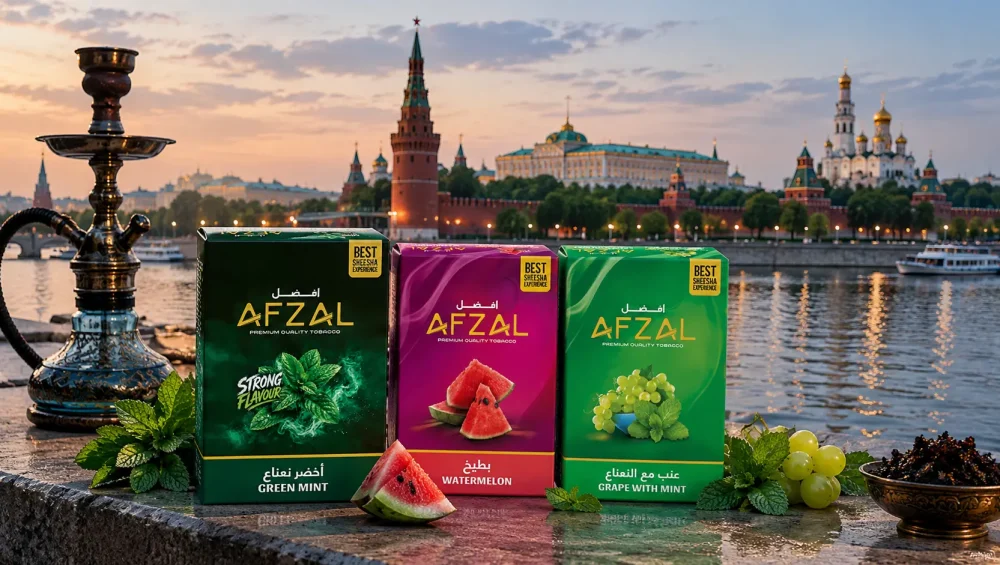
shisha-flavour-for-russia-distributorCategoriesUncategorized

Hookah Tobacco For Distributors | Explore hookah tobacco International Wholesale Catalogue

A Wholesale Catalogue Is More Than a Product List

For a Regional hookah tobacco business in Russia, an international wholesale catalogue is more than a collection of flavour names and product photographs. It provides an overview of the manufacturer behind the products, the brands within its portfolio, the available flavour categories and the formats in which products are presented.

For a business searching for a reliable hookah tobacco supplier, understanding this information is an important part of evaluating a product portfolio. A distributor may need to understand how a manufacturer’s range is organised before presenting it to retail partners. A wholesaler may compare product categories and pack formats when planning an assortment. A hookah lounge or retailer may look for recognizable flavour names and a range that gives customers different options.

The distinction becomes clearer when a catalogue is viewed through the manufacturer’s identity and product structure rather than simply counting the number of listed flavours.

SOEX provides an example of this approach through its international manufacturing and export background, while Afzal represents its hookah tobacco brand portfolio. Afzal’s documented range includes fruit, mint, spicy and other flavour categories, with formats including 50 g, 250 g and 1 kg packs. SOEX also has a separate Herbal Molasses range, which should not be confused with Afzal tobacco products.

Understanding these differences helps local businesses read an international catalogue more accurately and assess how its products fit into their own assortment.

Understand the Manufacturer Behind the Wholesale Catalogue

The first step in assessing an international wholesale catalogue is identifying the company responsible for the product portfolio.

A manufacturer, brand owner, supplier and distributor may perform different roles. A manufacturer produces the products. A brand owner manages the identity under which products are presented. A supplier provides products to business customers, while a distributor makes products available through a particular commercial network.

These roles can overlap, but they should not automatically be treated as interchangeable.

For a business evaluating a wholesale hookah tobacco supplier, this distinction helps answer practical questions:

  • Which company is responsible for the product range?
  • Which brand name appears on the products?
  • Does the catalogue represent one brand or several product lines?
  • Are tobacco and tobacco-free products presented separately?
  • Does the catalogue identify the available product formats?

Manufacturer identity and brand identity

A manufacturer’s background provides context about the business behind a catalogue. Its brand portfolio explains how products are organised and presented to buyers.
For example, SOEX is an Indian manufacturer and exporter with an international presence spanning more than 60 countries. Afzal is part of its hookah tobacco portfolio.
This distinction is useful when a local business evaluates the catalogue. SOEX identifies the manufacturing company, while Afzal identifies the hookah tobacco brand that buyers may recognise in the product range.
A clear catalogue should make both identities understandable instead of presenting the manufacturer and brand as though they were the same thing.

Read the Product Range as a Structured Portfolio

A wholesale catalogue should be evaluated as a structured product portfolio, not simply by the number of products listed.

A long flavour list may appear extensive, but businesses also need to understand how those products are grouped. A well organised range makes it easier for a hookah tobacco distributor to present categories, for a wholesaler to compare product options and for a retailer to understand the assortment.

Three levels are particularly useful.

Product category: The broad classification, such as fruit, mint, spicy, beverage or sweet.

Flavour variant: The individual flavour name within that category, such as Double Apple, Blueberry or Green Mint.

Product format: The pack size or other product configuration in which the flavour is listed.

These levels should remain distinct. For instance, Blueberry is a tabacco flavour variant, fruit is its category, and 250 g is a pack format. Treating all three as equivalent product names can make a catalogue difficult to interpret.

Why range organisation matters to local businesses

Consider a distributor preparing a product presentation for several retail accounts. One buyer may want to review fruit flavours, while another may be interested in mint or traditional spicy options.
If the catalogue groups products by flavour family and clearly identifies individual variants, the distributor can present the range according to each buyer’s product interests.
The same structure helps a retailer review its existing assortment and identify which categories are represented. It also gives a lounge operator a clearer overview of the available flavour options without requiring the entire catalogue to be explained product by product.

Explore the Flavour Families in Depth

Flavour variety is one of the most visible parts of a hookah tobacco catalogue. However, the value of a range is not determined by the number of names alone. Businesses need to understand the different flavour families, the individual variants within them and how those products are classified.

Afzal’s documented portfolio provides examples across several flavour categories. When a hookah tobacco supplier presents these categories clearly, buyers can understand the range without confusing individual flavours with broader product groups.

Fruit flavours: A broad category with distinct variants

Fruit flavours form an important category in many hookah tobacco catalogues. The category can include individual fruit names as well as familiar combinations.

Examples from the documented Afzal range include:

  • Double Apple Tabacco Flavour
  • Grape Tabacco Flavour
  • Watermelon Tabacco Flavour
  • Strawberry Tabacco Flavour
  • Orange Tabacco Flavour
  • Mango Tabacco Flavour
  • Lychee Tabacco Flavour
  • Melon Tabacco Flavour
  • Grapefruit Tabacco Flavour

For a wholesaler, these names make it easier to distinguish individual products within the same broad category. A retailer can also use the flavour names to organise its product presentation rather than listing every item under a general fruit heading.

The distinction between a category and its variants is particularly important when a catalogue contains several fruit options. A product list that simply says fruit flavours does not provide the same level of information as one that identifies each available variant.

Mint and cooling flavours

Mint is another recognisable flavour family. It should be distinguished from the broader fruit category and from individual fruit-and-mint combinations where those are part of a manufacturer’s actual range.

Documented Afzal examples include:

These names allow buyers to identify the mint related products listed in the catalogue. They should be presented as individual variants rather than treated as interchangeable names.

For a distributor, clearly separated mint listings also make it easier to communicate the range to different retail accounts. A product catalogue should use consistent naming across its product descriptions, pack information and ordering references.

Spicy and traditional flavour options

A catalogue may also include flavour categories associated with traditional naming and established product identities.

Afzal’s documented spicy range includes:

These examples demonstrate why flavour classification needs to go beyond broad descriptions. Individual names help businesses distinguish products within the same category and communicate the available range more accurately.

For a local retailer or lounge, this level of detail is useful when organising a catalogue or product list for customers who ask for a particular flavour by name.

Beverage flavours

Beverage is a separate flavour family that can be used to organise products associated with beverage inspired hookah Flavour.

For a wholesale buyer, the important point is to distinguish the category from its individual products. A catalogue should list the actual product names under this heading rather than relying on the category label alone.

Individual beverage flavour examples should only be included when they appear in the manufacturer’s current product catalogue. This keeps the product presentation accurate and prevents businesses from planning an assortment around names that have not been established.

Sweet flavours

Sweet is another category that should be treated separately from fruit, mint and spicy options.

A catalogue can use this classification to help buyers understand the breadth of the product range. However, individual sweet flavour names should be taken from the manufacturer’s documented range rather than assumed from general industry terminology.

This is especially important for international wholesale presentations, where a product name may need to be communicated consistently across different languages and markets.

Blended and multi note products

Some catalogues may also include blends that combine more than one flavour identity. These should be listed according to the manufacturer’s actual product naming and classification.

A blend should not be assigned to a category simply because one of its flavour components belongs there. Consistent product descriptions help distributors avoid confusion when presenting the same item across different accounts.

For International Hookah Tabacco Brand Catalogue, Visit the wholesaler Exporter Site for Russia.
Why Product Naming and Catalogue Classification Matter

International catalogues often reach buyers who use different languages and naming conventions. A flavour name that is familiar in one market may require additional explanation in another.

This does not mean that the manufacturer’s original product identity should be changed. Instead, the catalogue should maintain a consistent product name and provide clear supporting descriptions where necessary.

For local distributors and retailers, this creates a practical reference point when presenting products to business customers.

A useful product entry should ideally identify:

  • The manufacturer or brand.
  • The official product or flavour name.
  • The flavour category.
  • The available pack format.
  • A product description, where supplied by the manufacturer.
  • A product reference or SKU, where available.

For businesses working with Russian language catalogues, consistent transliteration and translation can also help prevent the same product from appearing under multiple names. The original brand and product identity should remain recognisable even when supporting descriptions are localised.

What a Useful International Wholesale Catalogue Should Explain

A wholesale catalogue should help a business understand what the manufacturer offers and how each product is identified.

For a distributor or a wholesale hookah tobacco supplier, the following information can make a catalogue more useful:

Manufacturer and brand information: The company responsible for the product and the brand under which it is listed.

Product category: The flavour family or product classification.

Individual product name: The official name used to identify each variant.

Pack format: The available individual pack sizes.

Product reference: An SKU or other identifier, where provided.

Product description: A concise explanation of the listed product, based on manufacturer information.

Commercial information: Pricing, minimum order quantities, case quantities, samples, lead times and territory information, where the manufacturer has supplied those details.

These details serve different purposes. Product information helps a buyer understand the assortment, while commercial information supports business discussions.

A catalogue should not leave the buyer to infer one detail from another. For example, a listed 1 kg format does not establish the number of units in a carton, and a product listing does not automatically establish its minimum order quantity.

For local businesses, the most useful catalogue is one that separates confirmed product information from commercial terms and presents both clearly.

Distinguish Hookah Tobacco from Tobacco-Free Products

One of the most important distinctions in a multi-product manufacturer’s portfolio is the difference between tobacco and tobacco-free product lines.

These should not be grouped together under a single product description merely because they are associated with hookah products.

Afzal belongs to SOEX’s hookah tobacco portfolio. SOEX Herbal Molasses is a separate tobacco-free product line. When describing this distinction, the phrase SOEX tobacco-free blend should refer to the separate Herbal Molasses range, not to Afzal tobacco products.

For wholesalers and distributors, this distinction matters when organising catalogue sections, preparing product descriptions and presenting the manufacturer’s portfolio to retail or lounge accounts.

A clear catalogue should identify the product type and brand correctly. It should also keep product names, descriptions and pack information attached to the relevant product line.

This avoids confusion between products that have different compositions and should be presented as separate catalogue categories.

8. How SOEX and Afzal Represent a Manufacturer and Brand Portfolio

The relationship between SOEX and Afzal illustrates how an international manufacturer and a product brand can be represented within one wholesale catalogue.

SOEX is an Indian manufacturer and exporter with an international presence across more than 60 countries. Its portfolio includes Afzal hookah tobacco, SOEX Herbal Molasses, Irfaz Shisha Charcoal and accessories.

Afzal represents the hookah tobacco brand within this wider portfolio. Its documented flavour range includes fruit options such as Double Apple, Grape, Watermelon and Blueberry; mint options such as Green Mint, Lemon Mint and Ice Burst; and spicy options such as Pan Raas, Chief Commissioner and Bombay Pan Masala.

For a buyer searching for an Afzal hookah flavour, the catalogue’s individual product names and category structure provide a clearer way to identify the relevant range. Its listed pack formats include 50 g, 250 g and 1 kg.

This gives a local distributor several distinct pieces of information to understand:

  • SOEX is the manufacturer and exporter.
  • Afzal is the hookah tobacco brand.
  • The Afzal catalogue contains multiple flavour families and named variants.
  • The listed pack formats identify individual product weights.
  • SOEX Herbal Molasses is a separate tobacco-free range.
  • Other SOEX portfolio categories, such as Irfaz Shisha Charcoal and accessories, should be identified separately from Afzal tobacco products.

    For a wholesale buyer, this structure is more useful than treating every product under the manufacturer’s name as one undifferentiated range.
  • It also gives distributors and retailers a clearer way to introduce the manufacturer, explain the brand and present the relevant product category.
  • Businesses looking to understand the brand’s product range can explore the Afzal and SOEX product portfolio.

Common Catalogue Problems That Make Wholesale Evaluation Difficult

Even a large catalogue can be difficult to use if product information is inconsistent. Local businesses should pay attention to several common problems when reviewing international product lists.

Unclear manufacturer and brand names: A catalogue should identify the manufacturer and the brand separately where they are different.

Category names without product variants: A heading such as Fruit or Mint is not a complete product listing. Individual flavour names should be included.

Inconsistent flavour naming: The same product should not appear under different spellings or translations without a clear reason.

Missing pack information: Product names should be accompanied by the available pack format.

Confusion between pack size and carton quantity: Individual net weight and outer case quantity should be identified separately.

Mixed product lines: Tobacco and tobacco-free products should be classified accurately.

Incomplete commercial details: Where pricing, MOQ, case quantities or lead times are relevant, the catalogue should identify the information supplied by the manufacturer instead of leaving buyers to make assumptions.

For a distributor, these details affect how easily the range can be presented to business customers. For a retailer or lounge, they help make the product list easier to understand.

Frequently Asked Question

1. What should an international hookah tobacco wholesale catalogue include?

It should identify the manufacturer, brand, product categories, individual flavour names, available pack formats and product references. Commercial information such as pricing, minimum order quantities and carton quantities can also be included where supplied by the manufacturer.

2. What is the difference between a hookah tobacco manufacturer and a supplier?

A manufacturer is responsible for producing the product. A supplier provides products to business customers and may source them from a manufacturer or another business. A company may perform more than one role, so its actual position should be identified clearly.

3. Which flavour families should a hookah tobacco catalogue distinguish?

A catalogue may classify products into fruit, mint, spicy, sweet, beverage and blended categories. Individual product names should be listed under the relevant category rather than relying only on broad flavour headings.

4. What is the difference between a pack size and a carton quantity?

Pack size refers to the net weight of an individual product pack, such as 50 g, 250 g or 1 kg. Carton quantity refers to the number of individual packs inside an outer case. These are separate product details.

5. Why should a catalogue distinguish the manufacturer from the brand?

The manufacturer identifies the company behind the product, while the brand identifies how the product is presented in the market. This distinction helps distributors and wholesalers understand the relationship between a company’s portfolio and its individual product ranges.

6. What is the difference between hookah tobacco and tobacco-free hookah blends?

Hookah tobacco products contain tobacco, while tobacco-free blends are a separate product category. A catalogue should identify these lines accurately and avoid presenting them as interchangeable products.

7. Why is manufacturer background relevant to wholesale buyers?

Manufacturer background helps buyers understand which company is responsible for the product portfolio, which brands it manages and how its product categories are organised. It also provides useful context when presenting the range to retail and lounge accounts.

Explore Afzal for Importer Distribution in Russia

With its diverse flavour range and multiple pack formats, Afzal is worth exploring for Russian importers, wholesalers and distributors seeking a distinctive addition to their B2B offering. Backed by SOEX, an established hookah tobacco supplier, Afzal offers wholesale buyers a range of Afzal hookah flavours to consider for their distribution networks.

For businesses looking for a reliable wholesale hookah tobacco supplier or exploring opportunities as a hookah tobacco distributor in Russia, connect with SOEX to discuss wholesale supply and distribution opportunities.

Bulk-hookah-flavour-in-russia-for-retailerCategoriesUncategorized

От оптового поставщика до розничной полки | как представить новую линейку табака для кальяна в России

1. От оптовых поставок до розничной полки

Для оптовой компании сотрудничество с брендом табака для кальяна не ограничивается простой закупкой продукции. Важно выстроить ассортимент таким образом, чтобы розничные продавцы, кальянные и другие бизнес-клиенты могли легко ориентироваться в предложении, подбирать подходящие позиции и включать их в свои каталоги.

В России этот процесс требует понятной структуры: отдельные категории вкусов, единые названия продуктов, информация об упаковке и удобный порядок оформления заказов. Чем понятнее предложение для покупателя, тем проще обсуждать состав первой поставки и дальнейшее сотрудничество.

Для импортёров, оптовых компаний и региональных дистрибьюторов табак для кальяна оптом представляет собой не просто перечень товаров. Это ассортимент, который необходимо представить разным бизнес-клиентам с учётом их формата работы.

омпания SOEX, производитель и экспортер кальянных смесей, предлагает бренд Afzal  отличное решение для компаний, стремящихся расширить свой текущий ассортимент или сформировать портфель продукции для кальяна. Задача дистрибьютора тщательно подобрать линейку товаров, подготовить понятный и доступный каталог, а также выстроить эффективные и продуктивные отношения с коммерческими партнерами.

2. На что обратить внимание при выборе оптового поставщика табака для кальяна?

Выбор поставщика влияет не только на первую закупку, но и на дальнейшую работу с ассортиментом. Оптовой компании необходимо понимать, какие продукты входят в предложение производителя, как они представлены в каталоге и насколько удобно организовать взаимодействие по заказам.

Производитель и портфель брендов

Начните с понимания того, кто производит продукцию и какие бренды входят в его портфель. Для импортёра или дистрибьютора эта информация помогает определить, как представить ассортимент потенциальным клиентам и какие товарные направления можно развивать в рамках сотрудничества.

В случае Afzal важно сохранять связь между брендом, конкретным названием продукта и его производителем. Это помогает избежать путаницы при подготовке прайс-листов, коммерческих предложений и товарных карточек.

Понятные названия и описания продукции

Поставщик должен предоставлять информацию, которую удобно использовать в деловой коммуникации. Название бренда, наименование продукта, вкусовая категория, описание и формат упаковки должны быть представлены последовательно.

Если одна и та же позиция по-разному называется в каталоге, предложении и заказе, это усложняет работу с розничными клиентами. Единая система наименований делает ассортимент понятнее и помогает точнее согласовывать поставки.

Структура ассортимента и форматы продукции

При выборе поставщика стоит учитывать разнообразие категорий, состав ассортимента и доступные форматы упаковки. Эти характеристики помогают определить, насколько удобно адаптировать предложение для разных типов покупателей.

Не менее важно понимать порядок оформления оптовых заказов, принципы коммуникации с поставщиком и доступность информации, необходимой для работы с торговыми партнёрами.

Поэтому оптовый поставщик табака для кальяна должен рассматриваться не только как источник продукции, но и как участник долгосрочной коммерческой цепочки. Для дистрибьютора особенно важны понятные товарные данные, согласованный порядок заказов и возможность последовательно представлять ассортимент своим клиентам.

3. Как сформировать оптовый ассортимент, удобный для розничных продавцов

Ассортимент товаров для оптовых поставок продукции для кальянов должен быть выстроен с тщательным учетом структуры каталога и специфических потребностей бизнес-клиентов. Наличие большого количества позиций само по себе еще не делает предложение удобным. Покупателям важно иметь возможность быстро понять, какие категории представлены в ассортименте и чем именно конкретные товары отличаются друг от друга.

Начните с понятной классификации вкусов

Первый шаг заключается в распределении продукции по категориям. В зависимости от состава предложения это могут быть фруктовые, ягодные, мятные, цитрусовые, пряные и другие вкусовые направления.

Такая структура помогает розничному продавцу ориентироваться в ассортименте, а дистрибьютору упрощает подготовку коммерческих предложений. Категории также позволяют представить продукцию последовательно, не смешивая разные вкусовые профили в одном разделе.

Сочетайте основные категории с дополнительными вариантами

При формировании ассортимента стоит учитывать существующий каталог магазина или кальянной, доступное место для размещения продукции и задачи конкретного клиента.

Например, предложение можно разделить на основные категории и дополнительные варианты, расширяющие выбор. Такой подход помогает сформировать управляемый ассортимент вместо того, чтобы автоматически включать в предложение все доступные позиции.

При этом табак для кальяна оптом следует представлять как структурированный товарный портфель. Дистрибьютору важно понимать не только перечень позиций, но и то, как каждая из них будет представлена в каталоге, прайс-листе и документах заказа.

Рассматривайте Afzal как часть портфеля брендов

Afzal от SOEX можно рассматривать при формировании ассортимента кальянного табака для розничных каналов и профессиональных клиентов. Брендовые наименования помогают выстраивать каталог вокруг конкретных продуктов, а не только общих категорий вроде фруктовых или мятных вкусов.

Для дистрибьютора табака для кальяна важно организовать эти сведения в единую систему: бренд, название продукта, категория, описание и информация об упаковке должны сохранять последовательность во всех материалах.

Такая организация облегчает презентацию ассортимента новым покупателям и упрощает последующую работу с заказами.

4. Как организовать вкусы Afzal и другие вкусовые категории в розничном каталоге

Каталог должен помогать покупателю быстро находить нужную категорию и различать отдельные продукты. Для этого недостаточно перечислить названия подряд. Необходимо определить общие группы, придерживаться единого принципа классификации и использовать понятные описания.

Виноград и мята: фруктовая и охлаждающая категории

Виноград можно отнести к фруктовой категории, а мяту выделить в самостоятельный раздел мятных или охлаждающих вкусов, если такая классификация соответствует ассортименту.

Для каталога, ориентированного на запросы вроде табак для кальяна виноград и табак для кальяна мята, важно использовать естественные названия категорий и понятные описания. Покупатель должен сразу понимать, к какой группе относится продукт и как он называется в товарном перечне.

Если каталог включает сочетания вкусов, их стоит выделять отдельно от одиночных категорий. Например, миксы табака для кальяна можно размещать в самостоятельном разделе или описывать через сочетание составляющих вкусов. Это помогает различать отдельный вкус и готовую комбинацию.

Апельсин и грейпфрут: отдельное представление цитрусовых вариантов

Цитрусовую категорию можно организовать с отдельными подразделами для апельсина, грейпфрута и других соответствующих вариантов, представленных в ассортименте.

Такой подход полезен для каталога, в котором покупатели ищут табак для кальяна со вкусом апельсина или табак для кальяна со вкусом грейпфрута. При этом описания должны отражать конкретное наименование и вкусовой профиль продукта, а не заменять их общими рекламными характеристиками.

Цитрусовые варианты можно разместить рядом с фруктовой категорией, сохранив отдельную маркировку. Это делает каталог более гибким: покупатель видит связь между группами, но может легко различить отдельные вкусы.

Личи, манго и дыня : как представить разнообразие фруктовых вкусов

Личи, манго и дыня относятся к разным фруктовым направлениям, поэтому их удобно структурировать в общей фруктовой категории с отдельными наименованиями. Это помогает поддерживать единый формат каталога и не смешивать различные позиции под одним общим названием.

При работе с поисковыми запросами, связанными с табаком для кальяна со вкусом личи, манго или дыни, важна естественная подача. В тексте каталога лучше использовать привычные русскоязычные названия вкусов, а в товарных карточках сохранять точные наименования соответствующих продуктов.

Для оптовой компании такая классификация упрощает подготовку предложений для магазинов и кальянных. Покупатель может рассматривать отдельные фруктовые направления, а дистрибьютор получает возможность формировать ассортимент по категориям, не перегружая каталог повторяющимися описаниями.

Главный принцип этого раздела прост: вкусовые категории должны помогать ориентироваться в ассортименте, а не превращаться в перечень ключевых слов. Для продукции Afzal используются названия и описания, соответствующие конкретным позициям бренда. Остальные вкусовые направления могут рассматриваться в рамках общей структуры каталога.

5. Как представить Afzal розничным продавцам и кальянным

Одна и та же линейка может быть представлена разным бизнес-клиентам по-разному. Розничному магазину важны каталог и идентификация товаров, кальянной нужна понятная структура ассортимента для закупок и меню, а импортёру или дистрибьютору необходимо управлять портфелем продукции и взаимодействием с несколькими партнёрами.

Для розничных продавцов

Розничным магазинам удобно получать компактный каталог, в котором товары распределены по категориям и сопровождаются понятными описаниями. Наименования должны соответствовать информации о продукции, а сведения об упаковке должны быть представлены в едином формате.

Такой подход помогает использовать данные при создании товарных карточек, прайс-листов и внутренних списков закупок. Afzal можно представить как отдельный бренд в ассортименте, сохраняя различия между конкретными продуктовыми позициями.

Для кальянных

Кальянные могут подходить к выбору ассортимента через категории и отдельные вкусовые направления. Поэтому дистрибьютору полезно подготовить предложение, в котором удобно сопоставить запрос бизнеса с представленными позициями.

Когда клиент ищет табак для кальянной, значение имеют понятные названия, описания и структура предложения. Для кальянной, закупающей табак для кальяна оптом, каталог должен облегчать выбор продукции и дальнейшее оформление заказа.

Для импортёров и дистрибьюторов

Импортёрам и дистрибьюторам требуется более широкое представление ассортимента. Помимо каталога продукции, им необходима согласованная информация о брендах, названиях товаров, форматах упаковки и порядке оптового взаимодействия.

Если компания представляет Afzal нескольким розничным клиентам, единый формат данных помогает сохранять последовательность в коммерческих предложениях и заказах. Это особенно важно, когда ассортимент используется в нескольких каналах продаж.

6. От первого запроса розничного клиента до оптового заказа

Первый интерес к продукции и фактическое оформление заказа представляют собой разные этапы коммерческого взаимодействия. Чтобы переход между ними был организован последовательно, оптовой компании необходимо фиксировать запросы клиентов и согласовывать детали предложения.

Рабочий процесс можно построить следующим образом:

  1. Зафиксировать интерес клиента. Записать, какие категории, продукты и форматы интересуют магазин или кальянную.
  2. Подготовить предложение. Сформировать список подходящих позиций с названиями, описаниями и доступной коммерческой информацией.
  3. Согласовать состав заказа. Сопоставить выбранные продукты, упаковку и количества с согласованными условиями.
  4. Организовать передачу заказа. Использовать единые товарные наименования в переписке, коммерческом предложении и заказе.
  5. Сохранить информацию для дальнейшей работы. Зафиксировать согласованный ассортимент и данные, которые понадобятся для повторных закупок.

Такая последовательность позволяет избежать путаницы между первоначальным интересом, включением позиции в каталог и реальной закупкой.

Если оптовая компания представляет Afzal, единые названия продуктов и согласованная информация об ассортименте помогают поддерживать деловую коммуникацию на всех этапах.

7. Как организовать повторные поставки после запуска ассортимента

После первой поставки работа с ассортиментом продолжается. Дистрибьютору необходимо вести историю заказов, фиксировать запросы клиентов и использовать фактические закупки при планировании следующих поставок.

В первую очередь стоит сохранять информацию о первоначальных заказах: какие позиции были закуплены, в каких форматах и в каких количествах. Затем полезно отмечать последующие покупки и обращения клиентов по дополнительным категориям.

История заказов позволяет обсуждать будущие объёмы на основе реальных закупок, а не предположений. Если магазин или кальянная меняет структуру ассортимента, предложение можно пересмотреть с учётом новых требований.

Для повторных заказов важна и согласованность товарных данных. Названия продуктов, обозначения упаковки и идентификаторы должны оставаться едиными в каталоге и заказных документах.

Таким образом, управление ассортиментом Afzal становится регулярным процессом, включающим первоначальную презентацию, оформление заказов, учёт закупок и планирование последующих поставок.

8. Почему стоит рассмотреть Afzal от SOEX для оптового портфеля

При выборе бренда для оптового портфеля важно понимать, как его можно представить разным бизнес-клиентам и организовать работу с товарными позициями.

SOEX является производителем и экспортёром, связанным с брендом Afzal. Для импортёров, дистрибьюторов, розничных продавцов и кальянных это отправная точка для знакомства с предложением бренда и обсуждения формата коммерческого взаимодействия.

При работе с Afzal полезно выстраивать каталог вокруг конкретных наименований, категорий и описаний. Это помогает сохранять последовательность в товарных карточках и коммерческих предложениях, а также делает ассортимент понятнее для бизнес-покупателей.

Компании, которые рассматривают табак для кальяна оптом от производителя, могут изучить информацию о предложении SOEX и обсудить вопросы оптового сотрудничества.

Подробнее о направлении для российского рынка можно узнать на странице оптовые поставки табака для кальяна в России.

Для компаний, заинтересованных в сотрудничестве, следующий шаг заключается в обсуждении доступного ассортимента, условий оптового взаимодействия и возможностей дистрибуции. Это позволяет перейти от знакомства с брендом к предметному деловому разговору.

9. От поставщика до розничной полки: выстраиваем последовательный процесс

Успешное представление новой линейки в оптовом канале зависит от того, насколько последовательно организованы все этапы работы. Сначала компания выбирает подходящего производителя и изучает его предложение. Затем формирует понятный ассортимент, готовит каталог и представляет продукцию розничным продавцам, кальянным и другим бизнес-клиентам.

После согласования состава заказа важно сохранить единые товарные данные, организовать поставку и вести историю закупок. Фактические заказы помогают планировать последующее пополнение ассортимента и корректировать предложение с учётом требований клиентов.

Afzal от SOEX можно рассматривать в рамках такого подхода при формировании портфеля кальянного табака. Для импортёров и дистрибьюторов ключевое значение имеют понятная структура каталога, последовательная презентация бренда и организованная работа с оптовыми заказами.

Чтобы изучить предложение для российского рынка, посетите страницу  Табак для кальяна для оптовых покупателей и дистрибьюторов в России.

10. Часто задаваемые вопросы

1. Как оптовому поставщику представить новую линейку табака для кальяна розничным продавцам в России?

Начните с компактного каталога, в котором продукция распределена по понятным категориям. Добавьте названия брендов и продуктов, описания и сведения об упаковке. Затем подготовьте предложение с учётом ассортимента конкретного магазина и согласуйте состав первой закупки.

2. На что обратить внимание при выборе оптового поставщика табака для кальяна?

Оцените производителя, его портфель брендов, структуру ассортимента, качество товарной информации и порядок оптового взаимодействия. Также важно, чтобы названия продуктов, описания и сведения об упаковке можно было последовательно использовать в каталогах и заказах.

3. Как организовать вкусы Afzal для розничной дистрибуции?

Разместите продукцию по понятным категориям и сохраняйте названия отдельных продуктов. Используйте последовательный формат описаний и упаковочных данных. Это поможет розничным продавцам ориентироваться в предложении и упростит работу с товарными карточками и заказами.

4. Что должно быть в каталоге оптового поставщика кальянного табака?

Каталог обычно включает бренд и название продукта, вкусовую категорию, описание, сведения о доступных форматах упаковки, изображения или идентификаторы товаров, а также информацию для оформления оптового заказа и контакты поставщика.

5. Как согласовать первый оптовый заказ с магазином или кальянной?

Зафиксируйте интересующие клиента категории и позиции, подготовьте коммерческое предложение, согласуйте форматы упаковки и количество товаров. После этого используйте те же наименования в заказе и сохраните информацию о согласованном ассортименте для дальнейшего взаимодействия.

6. Как планировать повторные оптовые поставки после запуска новой линейки?

Ведите историю первоначальных и последующих заказов, отмечайте интерес клиентов к дополнительным категориям и используйте фактические закупки при планировании объёмов. Регулярно обновляйте ассортимент с учётом требований покупателей и сохраняйте единые товарные данные во всех рабочих документах.

shisha-flavour-for-lounges-and-resort-in-sochiCategoriesUncategorized

Shisha Flavour Wholesale | Planning for Summer and Winter Resort Lounges in Sochi

 Planning Wholesale Supply Around Sochi’s Resort Seasons

Sochi’s resort economy operates across two distinct seasonal environments. Summer brings coastal hospitality activity around Central Sochi and Adler, while winter draws visitors towards mountain destinations such as Krasnaya Polyana, Rosa Khutor and Gazprom Resort. For lounge operators, wholesalers and distributors, these seasonal changes influence procurement schedules, menu planning, stock allocation and replenishment routines.

A wholesale Shisha tobacco supplier serving resort venues needs to support both operating environments without creating unnecessary complexity in the product portfolio. The objective is to maintain continuity for established menu favourites while introducing suitable seasonal options that complement each venue’s concept.

For businesses handling hookah flavour Distribution, the most useful planning decisions come from the combination of seasonal booking calendars, historical account purchases, actual product movement and the operational requirements of individual lounges. This allows distributors to build practical supply plans around each account rather than relying on broad assumptions about what every summer or winter customer will order.

Afzal can form part of this planning process as a branded flavour range that lounges and wholesale partners can incorporate into their established menus. The focus should remain on selecting appropriate products, maintaining consistent preparation standards and aligning replenishment with the way each venue operates.

 Understanding Sochi’s Two Seasonal Operating Environments

Summer: Coastal Lounges and Extended Hospitality Activity

From June through September, coastal hospitality venues around Central Sochi and Adler plan around beach visits, hotel occupancy, outdoor dining and evening entertainment. Lounge operators may experience changes in service patterns throughout the week, particularly when holiday periods and local events affect reservations.

For a hookah tobacco Flavour distributor, the summer planning challenge is to coordinate supply with the needs of multiple venues that may operate different menus and service schedules.

Practical considerations include:

  • Maintaining reliable availability of established fruit and cool flavour Range.
  • Allocating stock according to each account’s recorded purchasing patterns.
  • Planning replenishment around expected hotel occupancy and venue reservations.
  • Coordinating deliveries across coastal locations to reduce avoidable last-minute orders.
  • Reviewing seasonal menu additions without expanding the portfolio beyond what the venue can manage.

A coastal lounge with a compact menu may need a different product mix from a large hotel venue offering several flavour combinations. Wholesale allocations should reflect these operational differences.

Winter: Mountain Resorts and Indoor Lounge Operations

Between December and March, mountain resort destinations around Krasnaya Polyana, Rosa Khutor and Gazprom Resort create a different operating environment. Indoor hospitality spaces, hotel lounges and après ski venues may adjust their menus, staffing and purchasing schedules around winter bookings.

Winter procurement benefits from a structured approach to menu continuity and seasonal variety. Established options can remain available while selected fruit, mint or spice oriented flavours provide additional choices for venues developing winter menus.

For a wholesale hookah tobacco supplier, this means coordinating purchasing with the resort calendar, venue storage capacity and expected service requirements rather than simply increasing orders because winter has arrived.

The same principle applies to both seasons: purchasing decisions should follow each account’s operating plan and recorded product movement.

Building a Seasonal Wholesale Procurement Calendar

A seasonal procurement calendar helps wholesalers coordinate orders before the busiest periods, maintain supply during peak operations and adjust purchasing as venue activity changes.

Phase One: Pre Season Planning

Before summer or winter operations begin, review the account’s previous purchasing records, planned opening dates, menu changes and expected occupancy.

Use this review to establish:

  • Core products that should remain available throughout the season.
  • Seasonal additions requested by the venue.
  • Typical replenishment intervals for individual products.
  • Storage space available at the account.
  • Delivery schedules and order lead times agreed with the supplier.

For Distributor provide Hookah flavour for resort accounts, separate purchasing plans are more useful than a single seasonal forecast. A coastal hotel, an independent lounge and a mountain resort may have different order frequencies even when they operate in the same region.

Phase Two: Seasonal Launch

During the opening weeks, monitor actual orders and product usage rather than relying entirely on initial estimates.
Record the quantity ordered, the date received, subsequent replenishment and any changes to the menu. These records help distinguish products that have become regular menu choices from products that remain occasional additions.
A wholesale team can use this information to adjust subsequent allocations while preserving availability for established products.

Phase Three: Peak Season Replenishment

During busier periods, the priority is maintaining continuity without overloading storage areas with slow moving stock.
Each account should have product specific reorder points. These can be calculated using its typical usage, supplier lead time and an appropriate buffer based on operational needs.
For example, a lounge that regularly orders a particular flavour may need a different reorder threshold from a venue that offers the same flavour only as an occasional menu option.
A hookah tobacco wholesale plan becomes more effective when reorder decisions are linked to individual stock records rather than a single threshold applied across the entire range.

Phase Four: Seasonal Transition

As coastal activity moves towards winter resort operations, or winter bookings begin to taper, reassess the purchasing mix.
Review remaining quantities, recent sales to accounts, planned menu changes and upcoming delivery commitments. This makes it easier to adjust future orders without allowing seasonal products to dominate the next procurement cycle.

 Designing a Balanced Flavour Portfolio for Resort Accounts

A practical wholesale portfolio should combine dependable core products with selected seasonal options and a limited number of distinctive additions.

The exact mix depends on the venue’s menu, account purchasing history, storage capacity and customer feedback. It should not be treated as a universal percentage split for all Sochi lounges.

Core Flavours for Menu Continuity

Core products provide a consistent foundation for venues that prefer to maintain familiar menu options throughout the year. Double Apple, grape and mint are useful examples to consider when building a portfolio around established flavour categories.

The purpose is not to assume that every venue orders these products at the same rate. Instead, use account-level records to identify which varieties each lounge repeatedly purchases and replenish those products according to their actual movement.

For wholesalers handling Bulk hookah tobacco range, a clearly defined core range also simplifies order preparation, stock rotation and communication with repeat accounts.

Summer Portfolio: Fruit and Cooling Profiles

Coastal venues can evaluate fruit-forward and cooling flavour options when developing summer menus. The final selection should fit the lounge’s existing menu structure and the combinations its team is prepared to offer consistently.

Potential Afzal options for consideration include:

  • Blueberry Mint: A fruit-and-mint combination for venues building a menu around mixed flavour profiles.
  • Brain Freezer: A cooling-oriented option for lounges that include pronounced cooling profiles in their selection.
  • Afzal Strong : An additional Afzal variety to evaluate when creating a broader seasonal menu.

These products can be incorporated into menu planning according to the venue’s requirements and product availability within the established supply arrangement. Their role in the portfolio should be determined by the lounge’s menu strategy and actual account feedback, rather than assumptions about universal summer preferences.

Winter Portfolio: Richer and Spice Oriented Options

Winter resort lounges may choose to introduce flavour combinations that complement their menu concept and indoor hospitality setting.

Afzal Pan Raas can be considered by venues looking to include a spice oriented option. Double Apple, grape and mint can remain part of the core selection where they align with the lounge’s established menu and purchasing patterns.

For winter operations, the key is to introduce seasonal variety without disrupting the supply of products that regular accounts already order.

A Shisha tobacco flavour distributor can support this approach by maintaining a clear separation between core products, seasonal additions and products ordered for specific venue requirements.

Position Afzal Within a Wholesale Product Portfolio

Afzal can be included in a distributor’s seasonal planning as a branded range with options for core menus and selected seasonal combinations. Its role in each account should be defined by the venue’s product selection, menu positioning and purchasing requirements.

Rather than presenting the same assortment to every lounge, wholesalers can organise the range into three practical groups.

Established Menu Products

These are the products that individual accounts order repeatedly and intend to retain across seasons. Their replenishment should follow recorded usage and the account’s normal purchasing cycle.

Seasonal Menu Additions

These products support a venue’s planned summer or winter menu. Their allocation can begin with the quantity agreed with the account and then be adjusted using actual ordering patterns.

Specialist Menu Options

Some venues may require a smaller selection of distinctive flavours for specific combinations or menu concepts. These can be managed separately from regular replenishment so that specialist options do not unnecessarily expand routine purchasing.

This structure allows Afzal products to be incorporated into a coherent wholesale portfolio without making unsupported claims about market leadership, popularity or performance across all resort venues.

Maintaining Consistent Preparation Across Resort Teams

Wholesale planning and lounge preparation are closely connected. When staff use different preparation methods, it becomes harder for a venue to assess products consistently or interpret changes in product usage.

Resort lounges can establish a simple internal preparation standard covering:

  • A consistent measurement method for the quantity of flavour used.
  • Documented bowl-packing procedures appropriate to the venue’s equipment.
  • Standardised airflow and heat-management practices.
  • Clear handover notes between staff shifts.
  • Recorded preparation adjustments when a recipe or menu combination changes.

These procedures help teams compare like with like when evaluating menu options. They also improve the usefulness of feedback shared with the purchasing team.

For example, if a venue changes the quantity used per preparation, its purchasing records may change even when the number of orders remains stable. Recording preparation adjustments helps the manager interpret product movement more accurately.

Wholesalers can support account discussions by keeping product information and ordering

Aligning Wholesale Orders With Pack Selection and Stock Rotation

Pack selection should suit the way each account purchases, stores and uses products. A high-volume hotel lounge may have different requirements from a smaller independent venue with a compact menu.

Wholesale buyers should organise their purchasing around three questions:

  1. How frequently does the account replenish each product?
  2. How much storage capacity is available for the planned assortment?
  3. Which products have regular movement, and which are ordered only for specific menu requirements?

The answers help wholesalers plan quantities without treating every flavour as an equal purchasing priority.

Stock rotation is equally important. Maintain a clear record of receipt dates, quantities and stock issued to accounts. Use a consistent first-in, first-out process where appropriate, while following the product’s storage instructions.

Seasonal transitions are a useful time to review remaining inventory and reduce unnecessary overlap between the outgoing and incoming menu plans.

consistent order records also help the distributor coordinate upcoming purchases with its supplier and avoid disconnected ordering decisions across accounts.

Use Account Records to Improve Replenishment Decisions

Seasonal wholesale planning becomes more useful when purchasing decisions are based on genuine business records. Distributors can review several measures to understand how their accounts order and use products.

Product movement: Track quantities issued to each account over a defined period to identify products that are reordered regularly.

Reorder frequency: Compare the intervals between orders for individual products. Changes can inform future replenishment schedules.

Stock ageing: Identify products that remain in inventory longer than expected and review whether the quantities purchased match account requirements.

Stockout frequency: Record instances when an account cannot be supplied from available inventory. These records can help identify weaknesses in reorder points or delivery coordination.

Forecast accuracy: Compare planned quantities with actual orders and stock movement to improve subsequent seasonal forecasts.

Preparation records: Where a venue maintains reliable internal records, compare product quantities purchased with quantities used. Changes in preparation methods can affect usage figures, so these factors should be considered when interpreting account data.

These measures help distributors distinguish actual purchasing patterns from assumptions about regional or seasonal preferences. The same approach can be used when reviewing Afzal products or other varieties in the wholesale portfolio.

Coordinating Distributors, Suppliers and Resort Accounts

Sochi’s coastal and mountain destinations can require different delivery schedules and account-management routines. A distributor serving both areas benefits from maintaining a clear view of upcoming orders, available stock and account-specific requirements.

A practical coordination process includes:

  • Maintaining separate seasonal order forecasts for coastal and mountain accounts.
  • Grouping orders by delivery area and agreed schedule.
  • Sharing clear product identifiers and quantities between purchasing and warehouse teams.
  • Reviewing outstanding orders before major seasonal transitions.
  • Communicating changes to planned quantities early enough to coordinate replenishment.
  • Keeping account-level records separate so that one venue’s ordering pattern does not become the assumption for another.

Regular communication is especially useful when a venue introduces seasonal menu additions or changes its established assortment.

A hookah tobacco wholesale programme works best when the distributor, supplier and lounge team share clear information about product selection, quantities and order timing. This makes seasonal planning a repeatable business process rather than a series of urgent purchasing decisions.

Building a More Predictable Wholesale Supply Plan

Successful seasonal planning for Sochi’s resort lounges depends on connecting procurement with the way each account operates. Summer coastal venues and winter mountain resorts may have different service schedules, menu priorities and replenishment needs, but both benefit from clear stock records, defined reorder points and disciplined seasonal transitions.

For wholesalers and distributors, the most useful approach is to protect continuity for established products, introduce seasonal options selectively and adjust purchasing decisions using genuine operational records.

Afzal can be incorporated into this process as part of a structured branded portfolio, with core varieties and selected seasonal options allocated according to individual account requirements.

A reliable Bulk hookah tobacco supplier supports more than product availability. It helps business accounts plan orders, organise their assortment and maintain a consistent supply process across Sochi’s changing resort seasons.

B2B Wholesale Enquiries

For wholesale buyers, distributors and hospitality businesses exploring Afzal as part of their product portfolio, SOEX provides a starting point for discussing product selection and business supply requirements.

Explore the hookah tabacco flavours in Russia for wholesale and distributor for an overview of the wholesale offering and use the relevant regional business contact to discuss supply requirements for your account.

afzal-shisha-flavour-for-importerCategoriesUncategorized

Shisha Flavour Importers in Tanzania | Guide for Branded and Local Product Offerings

For businesses handling bulk shisha flavours in Tanzania, understanding the difference between branded and unbranded products helps create accurate product listings, wholesale quotations and retail descriptions. The distinction goes beyond the name on a pack. It includes brand identity, product presentation, manufacturer identification and the information available for each offering.

When businesses import shisha flavours into Tanzania, these details help them represent products accurately to distributors, wholesalers, retailers and lounges. A branded product has an identifiable brand and product identity, while an unbranded offering may rely more heavily on a generic description.
SOEX is an Indian Hubbly flavour manufacturer and exporter offering Afzal shisha flavour
products alongside other product categories. This guide explains how branded and unbranded product offerings differ, what manufacturer product specifications communicate, and how businesses can represent a product range clearly to their wholesale buyers.

Branded vs Unbranded Shisha Flavours: What Is the Difference?

Branded and unbranded offerings can both be supplied to wholesale buyers, but the information used to identify them may differ.

Branded product offerings

A branded product is presented under an identifiable brand name, often with a named product line and individual flavour names. These elements help distinguish one offering from another in a catalogue or quotation.

For example, Afzal identifies the brand, while Double Apple identifies a particular flavour. A listing that includes both names provides a more precise product reference than one that simply says apple flavour.

Branded offerings may include:

  • A clearly identified brand and product name.
  • Packaging that displays the product identity.
  • Product descriptions associated with the named offering.
  • Pack information and product references, where available.
  • Consistent naming across catalogues and business documents.

These details make it easier for buyers to identify the intended product.

Unbranded product offerings

An unbranded offering is presented without a clearly established consumer facing brand identity. Its description may focus on a generic flavour category, such as mint, grape or mixed fruit.

This does not automatically mean that the product lacks a manufacturer or defined specifications. The distinction concerns how the product is identified and presented.

A private label product is different from a generic unbranded offering. A private label product is sold under a brand created or owned by a retailer, distributor or another business, even when a separate manufacturer produces it.

What should businesses compare?

When comparing branded and unbranded shisha flavours, businesses should consider whether each offering has:

  • A clear product and flavour name.
  • An identifiable brand, where applicable.
  • Manufacturer information.
  • Accurate pack details.
  • Product descriptions that can be used consistently in catalogues and quotations.

A brand name alone does not establish product quality or commercial suitability. Likewise, an unbranded product is not automatically unreliable. The important point is to understand exactly what is being supplied and how it should be represented.

Brand Identity and Product Presentation: Identifying the Exact Offering

Brand identity and product presentation work together. The brand identifies the product family, while the product name, packaging and available details help distinguish individual offerings within that family.

Brand name, product line and flavour name

These terms serve different purposes:

  • Brand name: Identifies the brand under which the product is presented.
  • Product line: Identifies a particular range within the brand, where applicable.
  • Flavour name: Identifies the individual flavour offering.

For example, Afzal is the brand, while Green Mint, Double Apple and Pan Raas are flavour names. Separately named lines, such as Afzal Strong and Afzal Premium, should retain their correct identities when listed.

This distinction matters because two products may share a broad flavour category without being the same named offering.

Why packaging and naming matter

Packaging can communicate the brand name, flavour name, product line and pack information. These details help distinguish individual products, while consistent naming allows businesses to refer to the same offering across different sales materials.

A generic description such as “mint shisha flavour” may be insufficient to identify a specific branded product. A more precise listing, such as Afzal Green Mint, connects the flavour with its brand identity.

The same applies to fruit flavours. Grape, watermelon and blueberry describe flavour categories, but those names alone do not necessarily identify a particular brand or product line.

For importers and distributors, product names should remain consistent across wholesale catalogues, quotations and retailer facing descriptions. Retailers can use the same principle when preparing product listings, while lounges can maintain consistent product references in purchasing lists and menus where appropriate.

Manufacturer Identification: Understanding Who Makes the Product

The brand, manufacturer and supplier are related, but they do not always refer to the same business.

  • Brand: The name under which the product is presented.
  • Manufacturer: The business responsible for manufacturing the product.
  • Supplier: The business providing the product to a buyer. This may be the manufacturer, a distributor or another trading business.

Clearly identifying these roles helps wholesale buyers understand the relationship behind a product listing.

Why manufacturer information matters

Manufacturer identification connects a product with its source and helps businesses direct product specific enquiries to the appropriate company. It also provides a reference point when obtaining current product descriptions, pack information and other manufacturer provided details.

Businesses should avoid presenting a reseller as the manufacturer unless that description is accurate. They should also use manufacturer details consistently across catalogues and product documentation.

Understanding Manufacturer Product Specifications

Product specifications describe and identify an individual product or variant. They are useful when importers represent a manufacturer’s range to wholesalers, retailers, distributors and lounge businesses.

This section focuses on identifying and describing products accurately, rather than evaluating flavour quality.

Flavour descriptions

A flavour name identifies the product, while a description provides additional information about the named offering.

For example, Double Apple, Green Mint and Pan Raas identify different offerings within the Afzal range. Manufacturer provided descriptions can help distinguish products without changing their intended identity.

Businesses should use descriptions supported by the manufacturer instead of inventing claims about ingredients, flavour characteristics or product performance.

Pack information

Pack information identifies the format in which a product is offered. SOEX’s Tanzania wholesale page lists formats such as 500 g, 250 g and 1 kg for products within its published range. Availability can vary by product and line, so these formats should not be assumed to apply to every flavour.

For businesses handling bulk shisha flavours in Tanzania, accurate pack information helps distinguish smaller packs from larger formats intended for wholesale or lounge supply.

A quotation for Afzal Double Apple, for example, should specify the intended pack format rather than refer only to the flavour name.

Product identifiers and catalogue references

Manufacturers may provide product codes, SKU references or other identifiers for individual offerings. Where available, these can help distinguish products with similar names and connect a catalogue entry to the intended product.

Importers should use manufacturer provided identifiers accurately and avoid inventing codes that could be mistaken for official references.

Keeping product information consistent

Product names, descriptions and pack information should remain consistent across catalogues, quotations, order records and retailer-facing listings. Inconsistencies can make it unclear which offering is being discussed.

When representing a manufacturer’s range, businesses should obtain:

  • The current product and flavour list.
  • Manufacturer-approved flavour descriptions.
  • Available pack formats for each product.
  • Product identifiers, where supplied.
  • Confirmation of current product details and availability.

These details help businesses represent the range accurately without turning product specifications into a quality-testing or supplier-evaluation checklist.

Exploring Afzal Branded Flavour Range

Afzal provides a practical example of how a named brand can present individual flavours within a wider product range. SOEX’s Tanzania wholesale page features several Afzal categories for B2B enquiries.

The examples below illustrate the relationship between a product line and its flavour names. Current availability and pack formats should be confirmed directly with SOEX.

Afzal Cool

Examples include Green Mint, Lemon Mint and Ice Burst.
The range name identifies the product line, while each flavour name identifies an individual offering. Green Mint, for instance, provides a more specific product reference than a generic listing for mint shisha flavour in Tanzania.

Afzal Fruit

Examples include Double Apple, Watermelon, Grape, Strawberry and Blueberry.
These names identify individual products within the fruit category. A listing for Double Apple identifies a particular flavour offering, while “fruit flavour” describes a wider category.

Afzal Spicy

Examples include Pan Raas, Chief Commissioner and Bombay Pan Masala.
Retaining the exact product name helps distinguish these offerings rather than grouping them under a generic description such as mixed fruit shisha flavour.

Afzal Premium

These are separately named product lines presented on SOEX’s Tanzania wholesale page. Examples listed include Premium Double Apple, Premium Pan Raas and Premium Orange.
When a product belongs to a distinct line, the line name should be retained where applicable. This prevents different offerings from being combined under a generic flavour label.

Keeping separate product categories distinct

SOEX also offers Soex Herbal Molasses, which is separate from the Afzal shisha tobacco range. The term shisha bila tumbaku refers to tobacco free shisha products, so it should be used only in the relevant context of the separate herbal category.

Keeping these product identities distinct helps importers, distributors and retailers describe each category accurately.

Representing Branded Products to Different B2B Buyers

Although different businesses use product information in different ways, accurate identification is important throughout the wholesale supply chain.

Importers and distributors

Importers and distributors need clear brand names, flavour descriptions, manufacturer details and available pack formats when preparing product lists for wholesale accounts. Consistent information helps them represent the manufacturer’s range accurately.

Wholesalers and bulk buyers

Wholesale buyers need specific product references when discussing quotations and repeat enquiries. A complete brand and flavour name, accompanied by the relevant pack information, helps identify the intended offering.

Retailers

Retailers can use consistent brand and flavour names to maintain clear product listings. This is particularly useful when several offerings fall under broad categories such as fruit or mint.

Lounges and hospitality businesses

For businesses looking for shisha for lounges in Tanzania, accurate product names can be used consistently across purchasing lists, supplier enquiries and menus where relevant.
These practices support clear product representation. They do not guarantee demand or commercial performance, and they do not make branded products automatically more suitable than unbranded alternatives.

Common Mistakes When Representing Shisha Flavour Products

A few avoidable mistakes can make a product range difficult to understand.

Using only a generic flavour name: A description such as mint or apple may not identify the exact branded offering.

Omitting the product-line name: Products from separately named ranges may become difficult to distinguish.

Confusing the manufacturer with the supplier: These roles should be described accurately.

Using outdated pack information: Pack formats should be confirmed for the particular product.

Changing manufacturer-provided descriptions: Product descriptions should reflect verified information rather than unsupported claims.

Combining separate product categories: Afzal and Soex Herbal should retain their distinct identities.

Assuming every pack format is available for every flavour: Availability should be confirmed at product level.

Avoiding these mistakes improves the accuracy of product listings and wholesale communication without requiring market statistics or unsupported claims about product performance.

Frequently Asked Questions

What is the difference between branded and unbranded shisha flavours?

Branded shisha flavours are presented under an identifiable brand and product name. Unbranded offerings may rely on generic flavour descriptions instead. Both can have a manufacturer and defined specifications, so the main distinction is how clearly the product identity is presented.

Why does manufacturer identification matter to shisha flavour importers in Tanzania?

Manufacturer identification helps importers connect a product with its source and obtain accurate product information. It also helps them distinguish the manufacturer from a supplier or distributor when preparing catalogues, quotations and product descriptions for wholesale buyers.

What product information should a shisha flavour wholesaler request?

Useful information includes the current product list, manufacturer approved flavour descriptions, available pack formats and product identifiers where supplied. These details help wholesalers represent the intended products accurately and avoid inconsistencies across catalogues, quotations and order records.

How are a brand name, flavour name and product specification different?

A brand name identifies the brand, a flavour name identifies an individual offering, and a product specification provides details used to describe or distinguish that offering. For example, Afzal is the brand and Double Apple is a flavour name.

Where can importers find a shisha flavour supplier for Tanzania?

Businesses can visit the SOEX Tanzania wholesale and distributor to review the published product range and find B2B enquiry options. SOEX is a manufacturer and exporter supplying Afzal and other product categories to trade buyers.

Looking for Quality and Consistency in Branded Shisha Flavours?

For importers, distributors and bulk buyers in Tanzania search for shisha flavour, Can sourcing a branded shisha flavour range with clearly defined product identities and consistent flavour specifications can help maintain a reliable offering across wholesale accounts, retail outlets and shisha lounges.

SOEX, an Indian hookah flavour manufacturer and exporter, offers branded shisha flavour products for B2B businesses looking to expand their portfolios. If you are seeking Quality shisha flavours with consistent product specifications and recognisable brand identities, explore the available branded shisha flavours for wholesale in Tanzania.

Connect with SOEX to discuss your wholesale requirements, explore the available flavour range and confirm product specifications and pack formats for your business.

afzal premium Shisha flavour in tanzaniaCategoriesUncategorized

Building a Shisha Flavour Portfolio for Tanzanian Distributors | Core Lines, Premium Options and Differentiators

Building a structured catalogue is an important step for any business sourcing shisha flavour for distributors across Tanzania. Importers, lounges, and bulk buyers need more than a long product list. They need a clear portfolio that combines core fruit flavours, cooling mint profiles, distinctive blends, and differentiated premium options. A well organized range makes product selection easier, strengthens catalogue positioning, and gives each product a defined role.

SOEX, an Indian hookah flavour manufacturer and exporter, offers Afzal as one of its established hubbly flavour brands. For Tanzanian distributors, the Afzal portfolio provides a framework for organising regular flavour lines alongside a distinct strong flavour category. The objective is to develop a balanced product range that supports different B2B account requirements without adding unnecessary product overlap.

Understanding the Three Layers of a Hookah Flavour Portfolio

A practical portfolio can be organised into three layers: core flavours, distinctive blends, and premium differentiators. Each layer has a different purpose, so distributors can assess new products according to the role they add to the catalogue.

Core flavour lines

Core lines establish the foundation of a catalogue. Fruit profiles such as Double Apple and Watermelon, alongside Mint, offer distinct categories around which distributors can organise their initial product selection.
The priority is category coverage rather than simply increasing the number of SKUs. Two products with similar positioning may add less value than a product that introduces a different flavour category.

Distinctive flavour blends

Distinctive blends add variety beyond the main fruit and mint categories. Soex Herbal shisha flavour, for example, can occupy a separate position within a catalogue because it has a different flavour identity from a straightforward fruit profile.
A shisha flavour for distributors should therefore be assessed by its category, product identity, and contribution to the overall range. This approach helps prevent a catalogue from becoming an assortment of overlapping products.

Premium differentiators

Premium Shisha flavour options give the catalogue a separate tier with its own product identity and positioning. Rather than replacing core lines, they provide an additional category for buyers seeking a more differentiated product proposition.
The key is to define the role of each tier clearly. Core flavours establish breadth, distinctive blends add variety, and a strong premium flavour line creates a separate point of differentiation.

Afzal Premium Portfolio as a Differentiator

Once the core portfolio is established, the next step is to identify a product line that adds a distinct proposition. For distributors developing a premium category, a premium flavour range can provide that additional layer without requiring a complete change to the existing catalogue

Understanding the role of strong-flavour products

A strong flavour category should be positioned around its distinct flavour identity and defined place within the product range. It should not simply repeat the descriptions used for fruit, mint, or aromatic blends.

For bulk buyers of shisha flavour, they value of this separation lies in catalogue clarity. A clearly identified strong flavour line gives importers and wholesalers another product category to present, while allowing core flavours to retain their own roles.

Afzal Premium versus conventional flavour lines

The difference between a regular flavour portfolio and a strong-flavour option is best explained through product positioning.

  • Core flavour lines: Double Apple, Mint, and Watermelon can form the foundation of the catalogue, providing different fruit and mint profiles.
  • Distinctive blends: Herbal shisha flavour adds another flavour category, extending the portfolio beyond straightforward fruit and mint options as nicotine free shisha flavour.
  • Strong flavour category: This line is positioned around a bolder, more intense flavour identity, making it distinct from the core range.
  • Catalogue visibility: Regular flavours should appear under their relevant categories, while the Premium flavour line should have a clearly labelled section.
  • Portfolio purpose: Core lines establish breadth, whereas a strong premium flavour option adds another differentiated choice.

This comparison also provides a more useful way to assess locally available flavour lines. Rather than making broad claims about local products, distributors can compare defined flavour positioning, product identity, packaging, catalogue clarity, and available product specifications.

Introducing Afzal Premium to Tanzanian distributors

Afzal Premium is SOEX s strong flavour range and can be positioned as a differentiated addition to the wider Afzal portfolio. Its role is to complement regular Afzal flavours, not replace them.

For a shisha flavour importer in Tanzania, the catalogue can present two clear choices within the broader brand offering: regular Afzal flavours for core category coverage and Afzal Premium for a more intense flavour proposition.

This distinction helps wholesalers explain the range accurately. It also creates a logical structure for product listings, with separate descriptions and clear category labels instead of treating every SKU as interchangeable.

Quality led product differentiation

A quality led proposition should be built around clearly defined product identity, accurate specifications, appropriate packaging, and consistent presentation. These details help buyers understand what distinguishes one product line from another.

Afzal Premium can be positioned as a premium option through its defined range identity and separate catalogue placement. This provides a clearer basis for differentiation than relying only on a larger number of listed flavours or broad claims about competing products.

For a bulk shisha flavour Distributor serving Tanzanian trade buyers, accurate product information is equally important. Distributors should confirm the current SKU list, pack formats, and product descriptions with the supplier before preparing commercial catalogues.

Organising Core Afzal Flavours by Portfolio Role

The core range should be organised according to flavour category and product identity. This makes it easier to review gaps, remove unnecessary duplication, and decide which additional SKUs genuinely broaden the portfolio.

Fruit flavours as core catalogue lines

Fruit flavours provide a clear starting point for catalogue organisation.

  • Double Apple: A recognisable fruit-led option for the core range.
  • Watermelon: Adds a different fruit profile alongside Double Apple.
  • Grape: Extends the fruit category with another distinct flavour identity.
  • Blueberry: Offers another fruit-led option where available in the selected range.

When evaluating grape shisha flavour or watermelon shisha flavour, distributors should consider the role each product adds rather than selecting products simply to make the catalogue longer. Product availability should be confirmed against the current Afzal flavour catalogue.

Mint and cooling flavours

Mint should be organised as a distinct category rather than being grouped indiscriminately with every fruit blend. Standalone mint and fruit-mint combinations have different catalogue identities.

For example, Mint can occupy the core mint category, while Blueberry Mint belongs under fruit-mint blends. Clear labels make it easier for B2B buyers to compare products and understand the structure of the range.

Distinctive blends

Pan Raas and Herbal shisha flavour can be listed separately from the core fruit and mint categories. This gives the portfolio a distinctive blend category without requiring every product to be placed in a premium tier.

The aim is to maintain a practical balance: recognisable core flavours establish breadth, distinctive blends introduce variety, and Afzal Premium remains the separate strong flavour differentiator.

Portfolio Planning: Pack Sizes and SKU Selection

Pack-size planning should be based on verified product availability. SOEX Tanzania wholesale page lists different formats across the Afzal range, so distributors should check the relevant product rather than assume that every flavour comes in every size.

Available pack formats

The current Tanzania wholesale page lists the following formats:

  • Core Afzal flavour categories: 500g, 250g, and 1kg.
  • Afzal Strong: 500g and 250g.

These are catalogue level listings, not a guarantee that every SKU is available in every format. Confirm the latest details through the Shisha Flavour in Tanzania for wholesale .

Matching pack formats to portfolio needs

Pack size is part of product organisation because it affects how a product appears in the catalogue and which supply format a business account can evaluate.

A shisha flavour bulk order should specify the flavour name, product line, pack size, and required quantity. Keeping these details separate helps avoid confusion between regular Afzal flavours and premium.

Selecting SKUs without overcomplicating the catalogue

A practical selection sequence is straightforward:

  • Establish the core fruit and mint categories.
  • Add distinctive blends where they provide genuine range variety.
  • Include Afzal Premium as a separate Strong flavour differentiator.
  • Verify pack formats for each selected SKU.
  • Review overlapping profiles before expanding the product list.

This framework helps distributors keep their catalogue focused while allowing the range to develop over time.

Presenting the Afzal Portfolio to B2B Buyers

A clear catalogue should communicate product differences without lengthy or repetitive descriptions. Each listing should include the product name, flavour category, available pack formats, and an accurate summary of its positioning.

For businesses evaluating shisha flavour for wholesalers, consistent presentation also makes it easier to compare products across the range.

The catalogue can be divided into three main sections:

  • Core Afzal flavours: Fruit and mint profiles that establish the main assortment.
  • Distinctive blends: Options such as Pan Raas that extend the flavour categories.
  • Afzal Strong: A separately labelled line positioned around its stronger flavour identity.

This structure can support a shisha flavour supplier serving different trade accounts across Tanzania. It also gives distributors a consistent framework for product descriptions, catalogue updates, and bulk enquiries.

Choosing a Hookah Flavour Supplier for Tanzania

Selecting a supplier involves more than reviewing a list of flavours. Importers and wholesalers should evaluate the product range, availability information, pack formats, and suitability of the supplier’s portfolio for their distribution requirements.

Product range and availability

Check whether the supplier offers a clear selection of core flavours and differentiated options. Confirm current product availability rather than relying on outdated catalogue lists.

Product information and packaging

Product names, descriptions, and pack size information should be consistent. Clear specifications help prevent confusion when a catalogue contains both regular Afzal flavours and Afzal premium.

Bulk supply and distribution fit

A shisha molasses supplier should be able to discuss product selection and bulk requirements with prospective trade partners. Importers should confirm applicable minimum order quantities, available formats, lead times, and commercial terms directly with the supplier.

SOEX supplies Afzal hookah flavours to international B2B markets. Tanzanian distributors, wholesalers, and importers can review the Tanzania wholesale and distributor page for product information and enquiry options.

Frequently Asked Questions

How should a shisha distributor in Tanzania structure a flavour portfolio?

A distributor can organise the catalogue into core fruit and mint flavours, distinctive blends, and premium strong flavour options. This creates clear product categories and reduces unnecessary duplication.

What is the difference between core hookah flavours and premium options?

Core flavours establish the foundation of the range through distinct fruit and mint profiles. Premium options provide a separate product proposition, with their own identity and catalogue placement.

Which Afzal flavours can form the core of a distributor’s catalogue?

Double Apple, Mint, and Watermelon can represent core fruit and mint categories. Pan Raas adds a distinctive blend, while other products can be selected according to current availability and portfolio needs.

What pack sizes are listed for Afzal flavours in Tanzania?

The SOEX Tanzania wholesale page lists 50g, 250g, and 1kg formats for core Afzal flavour categories, and 500g and 250g for Afzal Premium. Availability should be confirmed for each specific SKU.

How can distributors balance fruit, mint, and distinctive blends?

Start with a clear selection of fruit and mint profiles, then add distinctive blends that contribute a different flavour identity. A separate strong-flavour category can complete the structure without duplicating the core range.

What should a bulk shisha supplier provide to B2B buyers?

A supplier should provide clear product information, current availability, pack size details, and a way to discuss bulk requirements and commercial terms. Buyers should confirm specifications and supply conditions directly.

Where can a shisha importer in Tanzania review SOEX wholesale range?

Importers can visit the SOEX Tanzania wholesale and distributor page to review the range and find the appropriate B2B enquiry route.

Searching for Shisha flavour for Tanzania

Distributor, bulk buyer and Importer searching for Premium shisha in Tanzania to supply B2B retailers and lounges, Afzal is one of its Shisha flavour brand, with a portfolio that includes core fruit and mint flavours, distinctive blends, and Afzal Premium as a separate strong flavour line.
Although Its SOEX brand who’s Manufacture and Exporter Across Tanzania For Shisha flavour enquiry

Shisha flavour for distributor in ZanzibarCategoriesUncategorized

Supplying Shisha Flavours to Zanzibar Distributor and Hospitality Venues | A B2B Range Planning Guide

Supplying hookah flavours to Zanzibar hospitality sector requires more than offering a selection of products. Hotels, beach resorts, lounges, bars, and hospitality venues need a clearly organized product range, consistent product information, suitable pack options, and a dependable replenishment process. In Zanzibar, where beachfront settings, open air lounges, ocean views, and relaxed resort environments contribute to the guest experience, a well planned hookah flavour menu can complement the atmosphere of suitable hospitality spaces. For businesses seeking a bulk shisha supplier, these operational details help create a more manageable supply relationship.

Resort lounges and hotel bars may have different requirements from independent hospitality venues. Some may need a focused flavour selection that fits an intimate lounge setting, while others may prefer a broader catalogue that supports their menu planning and purchasing process. For distributors, understanding these differences helps organize a suitable product assortment without assuming that every venue has the same preferences.

SOEX, an Indian hookah flavour manufacturer and exporter, offers Afzal Shisha flavour for importers, wholesalers, distributors, and hospitality supply businesses to consider. With an organized catalogue and a practical approach to product selection, distributors can develop a portfolio suited to different account requirements.

This guide explains how to plan Afzal flavour categories, manage SKUs, prepare product catalogues, and coordinate repeat orders for hospitality accounts across Zanzibar.

Understanding Zanzibar Hospitality Venues and Their Supply Requirements

Zanzibar hospitality businesses include beachfront resorts, hotels, restaurant lounges, bars, and independent venues. Each account may have different requirements for product selection, catalogue presentation, and order coordination. A distributor can accommodate these differences by organising its portfolio into clear categories instead of offering every account an identical assortment. Beverages shisha flavour range can be as option.

Beach resorts and hotels

Resorts and hotels can look toward the Beverages range due to Beach setting, resorts often manage several operational areas, with purchasing decisions coordinated by designated buyers or hospitality teams. A supplier should provide a structured product catalogue that makes flavour names, available formats, and ordering information easy to review.

A practical catalogue can separate fruit, beverage inspired, spicy, and mint led flavours. This allows purchasing teams to review the available range without navigating an unstructured product list.


Hotel lounges and bars

Lounges and bars may require a more focused selection that is easy for staff to identify and reorder. Distributors can group products by flavour profile and maintain consistent descriptions across the catalogue, quotation, and order sheet.

For a bulk shisha supplier, clear product identification is particularly useful when multiple venues operate under the same hospitality group.

Building an Afzal-Led Hookah Flavour Portfolio

Afzal Shisha flavour, a brand under SOEX, can form the central tobacco based flavour category in a distributor hospitality portfolio. Its available flavour range can be organised into recognisable families, making the catalogue easier for buyers to navigate.

A practical portfolio structure includes:

  • Fruit flavours: Double Apple, grape, and watermelon, subject to current catalogue availability.
  • Beverage flavours: Mojito and other available options within the relevant range.
  • Spicy flavours: Pan Aromatic, subject to current availability.
  • Mint flavours: Strong Mint and other available mint variants.

For a bulk shisha supplier, the objective is to offer useful variety without creating an unnecessarily complicated inventory. A focused assortment gives buyers clear choices while allowing the distributor to maintain better visibility over individual products.

Matching Afzal Flavour Categories to Hospitality Settings

Different flavour categories can be presented according to the structure of each hospitality account. This is a product organisation exercise, not an assumption that every hotel or lounge has the same preferences.

Fruit flavours

Fruit profiles provide a straightforward category for product catalogues.Double Apple, grape shisha flavour, and watermelon can be listed separately, subject to current availability.

A distributor can include a short description for each available product, using the official product information rather than inventing flavour characteristics. This helps purchasing teams distinguish individual SKUs and communicate orders accurately.

For hotels and resorts, a clearly labelled fruit category can also make catalogue reviews more efficient when several products need to be considered together.

Beverage inspired flavours

Mojito shisha flavour is an example of a beverage shisha profile that can be listed separately from conventional fruit flavours. Where available, it should have its own category heading and consistent product description.

This distinction helps buyers understand the organisation of the portfolio. It also gives distributors a simple way to add variety without mixing unrelated flavour families in the same catalogue section.

Spicy flavours

Afzal Pan Raas Aromatic can be included as an example from the spicy category, subject to current availability. Its listing should use the official product name and description.

A dedicated spicy section allows buyers to review this category independently. It also makes the product range easier to maintain when new listings are introduced or catalogue information changes, It complements the ambience and make more enjoyable session can reviewed as leading flavour range in winter.

Strong Mint and other mint variants

Mint led flavours deserve a distinct category because individual variants should remain easy to identify. Afzal Strong Mint and other available mint options can be listed with their correct names and specifications.

A distributor should avoid grouping every mint product under a generic description if the official catalogue identifies them separately. Clear product naming reduces the possibility of confusion during quotations, picking, and repeat ordering.

Planning Afzal SKUs and Pack Options for Hotels and Resorts

SKU planning helps a distributor maintain a useful assortment without making the ordering process unnecessarily complex. The right structure begins with confirmed product availability and the purchasing requirements of each account.

For every Afzal listing, record:

  • Official product name and SKU reference, where provided.
  • Confirmed pack size and packaging format.
  • Current product availability.
  • Accurate product description and photograph.
  • Ordering unit and account-specific order history.

Pack formats should be included only when confirmed in the current product catalogue. Avoid assuming that every flavour is available in every size or packaging configuration.

For larger hospitality groups, maintain a master product list and use account-specific order sheets to show the relevant products. Smaller venues can receive a focused selection drawn from the same master catalogue.

A bulk shisha supplier East Africa serving multiple account types can use this structure to maintain a consistent product database while adapting individual quotations to each buyer.

Including SOEX Herbal as an Alternative Product Category

SOEX Herbal provides a separate tobacco free and nicotine free shisha molasses category for businesses seeking an alternative to tobacco based products. It should be presented independently from Afzal Shisha Tobacco, with its own product descriptions and verified specifications.

For buyers looking for nicotine free shisha in Tanzania listings, SOEX Herbal can be considered as a distinct portfolio category, subject to the requirements of the intended business and the availability of relevant products.

Distributors should not combine Afzal tobacco-based flavours and SOEX Herbal under one undifferentiated product heading. Separate listings make the distinction clear for purchasing teams and help maintain accurate stock records.

Product details can be reviewed through the official SOEX website

Practical Planning Checklist for Hospitality Accounts

Reliable replenishment begins with accurate records. A distributor supplying for resorts, lounges, and restaurants should maintain a separate account history for each buyer.

A simple replenishment process includes the following steps.

Step 1: Record account requirements. Maintain the list of Afzal SKUs supplied to each account, including confirmed pack formats and ordering units.

Step 2: Track order history. Record order dates, quantities, supplied products, and outstanding requirements. This creates a useful reference for the next purchasing discussion.

Step 3: Establish reorder points. Agree on account-specific stock review levels based on the venues own ordering pattern, available storage, and supplier replenishment arrangements.

Step 4: Confirm availability. Check the availability of requested products before confirming an order. Where a product is unavailable, communicate clearly and offer alternatives only when the buyer agrees.

Step 5: Review records regularly. Update the account sheet after every completed order and record changes to the approved assortment.

For a bulk shisha supplier, this approach supports a more organised relationship with hospitality buyers. It also helps identify products that need closer stock monitoring without assuming that every venue requires the same replenishment schedule.

Supporting Distribution Across Zanzibar and Nearby Markets

Zanzibar should remain the primary focus when organising a hospitality distribution plan for the island. Distributors can group accounts by location, maintain separate delivery records, and keep a consistent master catalogue for all participating venues.

For businesses that already serve mainland Tanzania, Uganda, or Kenya, the same product record structure can be adapted to their existing account networks. Each location should retain its own customer records, order history, and product requirements.

Businesses exploring wholesale supply options can visit the Manufacturer exporter of Shisha flavour for information about the brand’s B2B offering.

A bulk shisha supplier should keep Zanzibar account planning distinct from broader regional operations. This makes it easier to manage individual purchasing relationships while maintaining consistent product information across the business.

Frequently Asked Questions

1. How can distributors supply hookah flavours to hotels and resorts in Zanzibar?

Distributors can begin with an organised product catalogue, confirm the venue’s requirements, select available Afzal flavour categories, and prepare an account-specific order sheet. Maintaining accurate SKUs and agreed replenishment schedules helps support repeat orders.

2. Which Afzal flavour categories can B2B buyers explore?

B2B buyers can review fruit, beverage-inspired, spicy, and mint-led categories. Examples include Double Apple, grape, watermelon, Mojito, Pan Aromatic, and Strong Mint, subject to current product availability.

3. How should distributors organise SKUs for different hospitality venues?

Distributors should maintain one master product list and prepare focused selections for individual accounts. Each listing should include the official product name, confirmed pack format, SKU reference where available, and accurate product information.

4. How can suppliers plan replenishment for multiple accounts?

Suppliers can maintain separate account records, track order history, agree on reorder points, and review stock requirements at regular intervals. Product availability should be confirmed before repeat orders are finalised.

5. What should a B2B buyer consider when selecting a shisha flavour supplier?

A bulk buyer should consider product range, confirmed availability, catalogue accuracy, pack format information, ordering processes, communication, and the supplier’s ability to coordinate repeat orders. Clear documentation helps simplify routine purchasing.

6. How does SOEX Herbal differ from Afzal?

Afzal Shisha is tobacco based shisha flavour brand. SOEX Herbal is a separate nicotine free shisha molasses range. Distributors should list the two categories independently and refer to official product information for their respective specifications.

SOEX is an Indian hookah flavour manufacturer and exporter offering Afzal Shisha Tobacco, SOEX Herbal Molasses, Irfaz Shisha Charcoal, and hookah accessories to international B2B markets. For Zanzibar hotels, resorts, and lounges, Afzal offers flavour categories including fruit, beverage inspired flavour, spicy flavours, and cooling shisha flavour variants, subject to current availability.

Distributors can feature beverage inspired flavours such as Mojito flavour as seasonal options for the coming summer, while spicy flavours such as Pan shisha flavour can complement the range for cooler winter settings. A balanced portfolio allows hospitality venues to offer variety throughout the year while keeping product selection and replenishment manageable.

SOEX Herbal provides a separate tobacco-free and nicotine free alternative category. Importers, wholesalers, and distributors looking for a bulk shisha supplier in Zanzibar and Tanzania can visit the Tanzania wholesale and distributor to explore the B2B offering and make an enquiry.

Tabacco free herbal shisha flavour in tanzaniaCategoriesUncategorized

Herbal Shisha Supplier in Tanzania | A Practical Guide for Importers and Distributors

Choosing a herbal shisha supplier in Tanzania involves more than adding flavour names to a wholesale catalogue. Importers and distributors need a clearly organised product range, identifiable pack formats, accurate product descriptions, and an assortment that can be presented consistently to retailers, lounges, bars, and hospitality businesses.

SOEX, an Indian manufacturer and exporter of Shisha flavour, offers several distinct product categories, including SOEX Herbal Molasses, Afzal Shisha Tobacco, Irfaz Shisha Charcoal, and hookah accessories. Within this portfolio, SOEX Herbal a tobacco-free and nicotine-free herbal molasses option for businesses evaluating alternatives to tobacco based shisha flavour products.

For businesses operating in Dar es Salaam and serving accounts in other parts of Tanzania, a practical starting point is to organise products by flavour family, pack size, and account requirements. This approach helps build a distinctive assortment without making the catalogue unnecessarily complicated.

Building a Distinctive Herbal Shisha Portfolio for Tanzania B2B Market

A wholesale portfolio should make it easy for business buyers to understand what each product offers and how it differs from the other items in the catalogue. Listing numerous similar flavour names without a clear structure can make product selection and replenishment more difficult.
For a herbal shisha supplier in Tanzania, portfolio planning begins with a clear distinction between herbal molasses and tobacco based shisha flavour products. These categories should have separate descriptions, specifications, and product identifiers so that business accounts can evaluate them accurately.

SOEX Herbal can form the central category for an importer or distributor developing a tobacco free, nicotine free herbal molasses assortment. Its positioning should be explained clearly in quotations, product listings, and account presentations rather than being grouped indiscriminately with tobacco-based products.

The portfolio can then be organised into practical groups:

Tanzania should remain the starting point for account planning. A distributor serving hospitality businesses in Dar es Salaam may organise its initial catalogue around its actual account list, while businesses serving additional locations can adapt the assortment to their own commercial requirements.
The objective is not to carry every possible flavour. It is to develop a clearly defined product range that Shisha Bulk buyers can understand, order, and reorder with minimal confusion.

What Importers Should Evaluate in an Herbal Shisha Product Range

Before adding a new line to a wholesale catalogue, importers need a consistent method for reviewing the product, its specifications, and the supplier’s commercial offering.

Flavour Variety and Portfolio Coverage

A useful assortment offers meaningful differences between products. Familiar fruit profiles, mint-led options, and distinctive combinations can help create a broader selection.
For example, a distributor can group products by flavour family instead of listing every flavour alphabetically. This makes it easier for retailers and hospitality procurement teams to compare options and identify gaps in their existing assortment.

The review should also identify unnecessary duplication. If two catalogue entries have similar descriptions, the distributor should compare their flavour profiles and product identities before treating them as separate offerings.

Product Identity and Differentiation

Herbal molasses and tobacco-based shisha flavour products should be identified separately. SOEX Herbal is positioned as tobacco-free and nicotine-free, while Afzal is a separate tobacco based shisha flavour brand under SOEX.
Clear product identification matters throughout the B2B process. Each listing should include the product name, flavour description, formulation category, pack size, and applicable product specifications.
This information supports accurate quotations, product comparisons, stock records, and repeat orders. It also reduces the risk of an account ordering an item based on an unclear or incomplete description.

Supplier Evaluation

When evaluating a shisha molasses supplier, importers should review more than the product catalogue. A practical supplier assessment should cover:

  • The product catalogue and SKU level product specifications.
  • Clear identification of the herbal formulation and product category.
  • Available pack formats and minimum order quantities.
  • Batch identification and applicable quality information.
  • Quotation validity and production lead times.
  • Commercial terms and repeat-order arrangements.
  • A clear contact for wholesale and product enquiries.

A structured supplier assessment creates a more dependable foundation for product selection and account commitments.

Exploring SOEX Herbal Flavour Options for a Balanced Assortment

A well-organised herbal shisha catalogue should provide clear flavour distinctions without relying on an excessive number of similar entries. Flavour families offer a practical structure for organising a range and presenting products to business buyers.

Double Apple Shisha Flavour

Double Apple herbal shisha Flavour is a recognisable traditional shisha flavour name and can serve as a reference point when structuring a wider catalogue.
Its listing should clearly distinguish the flavour name from the product formulation and include the relevant pack information. This prevents buyers from assuming that products with similar names necessarily belong to the same category.

Grape and Berry Inspired Flavours

Grape and berry flavour shihsa profiles can help create variety within a fruit-focused assortment. A distributor evaluating grape shisha flavour, blueberry, or other berry options can organise these products into a dedicated fruit category.
Lemon with Mint, for example, represents a blended profile that can be distinguished from standalone lemon or mint options. Clear naming helps buyers understand the differences between individual catalogue entries.

Watermelon and Other Fruit Flavours

Watermelon shisha flavour and other fruit flavours can provide additional distinctions within the fruit category. For an importer, the objective is to make each product easy to identify and compare rather than simply increasing the number of flavour entries.
A clear product sheet can record the official name, flavour family, formulation, pack size, and product description for every item.

Mint Led and Complementary Profiles

Cooling flavour range options can be listed separately from fruit profiles or grouped with blended flavours where appropriate. The catalogue should make it clear whether a product is a standalone flavour or a combination.

For an importer seeking herbal shisha wholesale, a well organised product range makes it easier to present a distinctive assortment to different business accounts. The SOEX Tanzania wholesale and distributor provides a starting point for exploring the company offering and B2B services.

How Distributors Can Develop Retail and Hospitality Accounts

Product selection is only one part of building a useful B2B portfolio. The range also needs to be presented in a way that matches how different business accounts review products and place orders.

Create Account Specific Product Assortments

Retailers: Provide clear product names, identifiable flavour families, formulation details, and pack formats. A structured listing makes it easier to maintain accurate product information across the catalogue and order records.
Herbal molasses will help them to server more with increasing the Range of Shisha flavour

Lounges and bars: Present a concise selection with distinct flavour profiles rather than an unnecessarily long list of similar products. Keep the product descriptions and specifications consistent so that the account can identify each item correctly.
This option will help them to increase the business and range of account they serve as many locals prefer Non nicotine hookah flavour

Hotels and hospitality groups: Prepare a documented product assortment with standardised names, pack information, and a clear distinction between herbal and tobacco-based categories. Consistent records support procurement discussions across multiple departments or locations.

Wholesalers and sub distributors: Provide a SKU list that includes product identifiers, pack formats, order quantities, and stock allocation details. This supports replenishment and reduces ambiguity when orders are passed between businesses.
By positioning this as option in the catalogue Shisha Bulk supplier in Tanzania can expand there range of current Serving Accounts.

Follow a Practical Product Introduction Process

A repeatable process can help a distributor introduce SOEX Herbal to relevant business accounts.

  1. Review the existing assortment. Identify the products already listed by the account and the categories that may be missing.
  2. Select relevant products. Present the herbal SKUs that fit the account’s requirements.
  3. Share product specifications. Include the flavour name, formulation, pack size, and relevant product information.
  4. Discuss commercial details. Establish the quantities, pricing, lead times, and supply arrangements required for the account.
  5. Record the agreed assortment. Keep the selected SKUs and initial quantities in the account record.
  6. Review actual order history. Use completed orders and business feedback to decide whether the range needs adjustment.

Planning Distribution from Tanzania into Uganda and Kenya

A Tanzania-based distributor considering regional account coverage should establish a workable product and account structure in its primary operating area before extending the same process to other countries.

Organise the Tanzanian Account Base First

Begin with the locations and business accounts that the distributor can serve. Maintain separate records for retailers, hospitality businesses, wholesalers, and sub-distributors, including their selected products, order history, and replenishment requirements.

For businesses serving Dar es Salaam and other Tanzanian locations, the initial assortment should reflect account needs and the distributor’s product portfolio.

Evaluate Regional Requirements Separately

A business considering shisha flavour Uganda should create a separate account list and assess the products, pack formats, order quantities, and service arrangements relevant to those accounts.

Likewise, businesses evaluating shisha wholesale in Kenya should prepare a country-specific account plan rather than assuming that the Tanzanian assortment will fit every requirement.

Regional planning should focus on commercial relationships and the ability to manage orders consistently. A bulk shisha supplier East Africa strategy should therefore be built around actual account coverage rather than unsupported assumptions about regional demand.

A Practical Checklist for Selecting a Shisha Molasses Supplier

Before finalising a supplier relationship, importers and distributors can use the following checklist to review the commercial and operational details.

  • Product catalogue: Is there a catalogue with clear product names and SKU-level specifications?
  • Formulation: Is each product correctly identified as herbal or tobacco-based?
  • Flavour range: Are product names and descriptions clear and consistent?
  • Pack formats: Are the available sizes and minimum order quantities documented?
  • Product identification: Can each SKU be distinguished clearly in quotations, invoices, and stock records?
  • Quality information: Are batch identification and applicable product specifications available?
  • Commercial terms: Are quotation validity, production lead times, and supply arrangements clearly documented?
  • Account planning: Can the selected assortment be mapped to specific business accounts?
  • Replenishment: Is there a process for tracking order history and planning repeat orders?
  • Communication: Is there a clear contact for product information and B2B enquiries?

These checks give businesses a practical framework for evaluating a herbal shisha wholesale partner without relying on unverified claims or assumptions.

For importers seeking a shisha flavour supplier Tanzania, SOEX provides a starting point for exploring its product portfolio and wholesale offering.

Planning Herbal Shisha SKUs Across Different Pack Sizes

Pack size planning connects product selection with account requirements. A distributor can organise its catalogue around the pack formats offered across its product range and allocate quantities according to individual account needs.

250 g Packs
A 250 g format can be included in the assortment for accounts that require a smaller allocation across several flavour options. It can also help a distributor structure an initial assortment without committing the same quantity to every SKU.
The appropriate quantity depends on the account’s requirements and the distributor’s stock plan.

500 g Packs
A 500 g format can be considered for accounts that need a different balance between pack quantity and flavour variety. Its role in the catalogue depends on the purchasing patterns of the intended accounts.

1 kg Packs
A 1 kg format can be considered for accounts with larger product requirements. Before allocating quantities, distributors should consider storage capacity, existing stock, account commitments, and the time needed to replenish each item.

Frequently Asked Questions

1. What should importers look for in a herbal shisha supplier in Tanzania?

Importers should review the suppliers catalogue, formulation details, flavour range, pack formats, product specifications, and commercial communication. They should also assess minimum order quantities, lead times, and repeat-order arrangements before building their assortment.

2. What is the difference between SOEX Herbal and Afzal?

SOEX Herbal is a tobacco free and nicotine-free herbal molasses range. Afzal is a separate tobacco-based shisha flavour brand under SOEX. Importers should list these as distinct product categories and describe their formulations, flavours, and pack options accurately.

3. Which SOEX Herbal flavours can distributors evaluate for wholesale?

Distributors can organise the herbal catalogue around flavour families such as traditional profiles, fruit flavours, berry inspired options, and mint led combinations. This structure helps buyers compare products and understand the differences between individual catalogue entries.

4. Which pack sizes can distributors include in a SOEX Herbal wholesale catalogue?

Distributors can structure their product catalogues around available pack formats, using pack size as a factor in account allocation and stock planning. A clear record of pack formats helps business buyers compare options and plan their orders.

5. How can distributors organise herbal shisha SKUs for retailers, lounges, and bars?

Distributors can group products by flavour family, formulation, and pack size. They should then map the relevant SKUs to each account, record initial quantities, and track completed orders and replenishment needs. This approach keeps product information consistent while allowing the assortment to reflect each business account’s requirements.

6. Can a Tanzania based distributor evaluate opportunities in Uganda and Kenya?

Yes. A distributor can assess potential business accounts in Uganda and Kenya using separate account lists, product assortments, order records, and replenishment plans. The products and commercial arrangements should reflect the requirements of each account rather than assuming that the same assortment or supply setup will suit every country. Even Hookah flavour wholesaler in Uganda and Kenya can directly contact to SOEX to enquire

For Herbal Shisha Wholesale Enquiries

Building a distinctive herbal shisha catalogue starts with clear product information, suitable pack formats, and a practical account management process.

Shisha flavour importers, wholesalers, and distributors in Tanzania can expand their product portfolios by introducing herbal shisha flavours to serve a wider range of accounts, including retailers, lounges, bars, and hospitality businesses. SOEX Herbal, a tobacco free and nicotine free shisha molasses range, offers a distinct alternative to tobacco-based products and may appeal to local businesses seeking non nicotine options for their customers. By adding herbal hookah molasses alongside existing flavour ranges, B2B buyers can diversify their offerings, meet different account preferences, and explore new supply opportunities. As an Indian manufacturer and exporter, SOEX provides a range of products for wholesale buyers seeking to develop their offerings and serve accounts across Tanzania and neighboringEast African markets.

afzal shisha flavour in tanzaniaCategoriesUncategorized

Shisha Flavour Blends in Tanzania Nightlife: Guide for Lounges and Retailers in Dar es Salaam

A shisha lounge in Dar es Salaam needs a flavour range that fits its menu, venue atmosphere, stock capacity, and purchasing requirements. The same considerations apply to bars, hospitality venues, and shisha flavour retailers in Arusha and Mwanza, although each business may organize its assortment differently. From familiar fruit profiles to fresh mint blends, selecting the right shisha flavours involves more than listing individual products. It requires a clear understanding of flavour categories, pack sizes, product consistency, and supply planning.

SOEX, an Indian manufacturer and exporter of hookah flavours, offers the Afzal shisha flavour brand alongside other products in its portfolio. For Tanzanian distributors, importers, lounges, bars, and retailers, Afzal provides a product range to evaluate when planning a suitable assortment. Green Mint flavour and Grape Mint flavour are particularly relevant examples for businesses considering how mint-led and fruit and mint profiles can complement a broader flavour selection.

Understanding Lounge and Bar Requirements Across Tanzania

Dar es Salaam: Organising a Shisha Lounge Flavour Menu

Dar es Salaam has a varied hospitality environment that includes restaurants, bars, lounges, and evening social venues. A Sheesha lounge in Dar es Salaam may require a different product assortment from a retailer supplying multiple businesses. Lounge operators need to consider how the flavour list fits their menu, available storage, and replenishment arrangements.

A practical menu can begin with familiar fruit flavours range, followed by mint led options and selected combinations. Clear descriptions help distinguish a standalone mint profile from a fruit blend containing mint. This approach also makes it easier to maintain a manageable product list instead of carrying several flavours with similar characteristics.

For businesses evaluating Afzal, the relevant considerations include the available flavour range, consistency between batches, pack formats, and the ability to confirm repeat order availability through SOEX.

Arusha: Flavour Selection for Hospitality Businesses

Arusha hospitality environment includes hotels, restaurants, and other venues with different service models. A business serving a limited menu may prefer a compact flavour selection, while a venue with a broader offering may need additional variety.

When evaluating shisha flavours in Arusha, the same practical principles apply: distinguish core flavours from optional additions, organise products by flavour family, and consider the quantities required to maintain the chosen range. A compact assortment can simplify stock management, provided it still meets the venue’s requirements.

Mint, grape, and other fruit led profiles can be assessed as separate menu options. The final selection should be based on the business own requirements and verified product availability, rather than assumptions about what every venue in the city prefers.

Mwanza: Building a Manageable Flavour Assortment

For retailers and hospitality businesses in Mwanza, assortment planning begins with the intended role of each product. A retailer may need several flavour families to serve different Bulk Buyer or retail requirements of shisha flavour, while a lounge may focus on a smaller selection that fits its menu.

Businesses considering shisha flavour in Mwanza can organise products into fruit range, cool range, sweet range, spicy range, and beverage categories. Reviewing stock movement and reorder history can help determine which products deserve regular replenishment and which should remain occasional additions.

The objective is a balanced range that can be maintained consistently. Expanding the assortment should follow actual business requirements, available storage, and confirmed supply arrangements.

How to Build a Balanced Shisha Flavour Menu

Start With Recognisable Flavour Families

A clear flavour structure makes a menu easier to maintain and a product catalogue easier to understand. The Afzal portfolio includes several flavour families that businesses can evaluate for their requirements.

These categories help lounges and retailers compare products according to their principal flavour characteristics. They also give distributors a straightforward way to organise product lists when discussing different assortment requirements with business accounts.

Balance Familiar Flavours With Distinctive Blends

A balanced menu does not need to contain every available flavour. It should offer enough variety to distinguish the main product profiles without making inventory unnecessarily complicated.

A practical starting point is to identify the core flavours, select a few combinations that add a different character, and review actual ordering patterns before expanding the range. For example, a cooling flavour and a grape mint shisha blend serve different roles in a catalogue even though both include mint.

Retailers can apply the same approach by separating single note flavours from blended profiles. Clear product descriptions, consistent naming, and accurate stock information make it easier to compare options and plan replenishment.

Keep Product Descriptions Clear

Product names should communicate the main flavour without unnecessary claims. A mint product should be distinguishable from a grape mint combination, while other fruit blends should be listed according to their stated flavour profiles.

For lounge operators, clear descriptions support menu organisation. For retailers and distributors of Shisha flavour, they help reduce confusion when managing several products or discussing an order. Product specifications and descriptions should be checked against the manufacturer information before publication or inclusion in a catalogue.

Green Mint and Grape Mint: Two Fresh Flavour Profiles

Mint can play an important role in a varied flavour assortment because it can be listed as a standalone profile or combined with fruit. For businesses evaluating Afzal, Green Mint and Grape Mint provide two different approaches to organising cooling mint options.

Green Mint: A Standalone Mint Profile

Green Mint Shisha flavour belongs in a menu category of its own rather than being grouped with fruit blends. Its principal role in an assortment is to provide a clearly identified mint option for businesses seeking variety beyond fruit-led profiles.

Before selecting Afzal Green Mint for regular stock, a lounge or retailer should verify the available product format, flavour description, packaging, and supply conditions with SOEX. Consistency between batches is also worth checking when standardising product descriptions or maintaining a recurring stock line.

For a retailer, listing Green Mint separately makes the catalogue easier to navigate. For a lounge, a clear menu category helps distinguish the product from combinations such as Grape Mint flavour or Icy Double Apple flavour.

Grape Mint: Combining Fruit and Mint

Grape Mint shisha flavour combines a fruit-led profile with the fresh character associated with mint. This gives it a different place in a flavour catalogue from a standalone mint product.

Afzal Grape Mint can be considered by businesses evaluating fruit and mint combinations for their assortment, subject to confirmation of current product availability. Retailers can list it under blended flavours, while lounges can distinguish it from single flavour options in their menu descriptions.

Lemon Mint is another useful example of a combination that can be categorised separately from pure mint and grape-led profiles. The important point is to describe each product accurately rather than treating all mint combinations as interchangeable.

How Businesses Can Evaluate Mint Blends

A simple evaluation process can help businesses make informed purchasing decisions:

  1. Flavour identity: Confirm that the product description matches the manufacturer’s stated profile.
  2. Batch consistency: Check whether product characteristics remain consistent across the batches supplied.
  3. Assortment fit: Determine whether the flavour adds a meaningful option to the existing range.
  4. Pack suitability: Match the available pack format to storage capacity and expected stock movement.
  5. Reorder planning: Use actual ordering records to decide whether the product should remain a regular stock item.

These checks are more useful than assuming one flavour will perform equally well across all cities and business types.

How Retailers Can Organise a Shisha Flavour Assortment

Retailers need an assortment that is easy to manage, clearly presented, and suitable for their purchasing requirements. A catalogue containing many flavours is not automatically better than a smaller, well-organised range. The key is to maintain meaningful variety while keeping stock levels manageable.

Separate Products by Flavour Family

Grouping products into Fruit, Cool, Sweet, Spicy, and Beverage categories makes it easier to compare options. Mint products can sit within the Cool category, while Grape Mint and Lemon Mint can be identified as combinations.

For retailers supplying lounges and bars, this structure also helps when preparing product lists and discussing replenishment requirements. A hubbly flavour distributor can use the same classification to organise product information across multiple accounts.

Balance Variety With Stock Availability

Retailers should distinguish between the number of flavours carried and the quantity held for each product. Introducing a new flavour in a limited quantity can help assess its suitability before a larger purchasing commitment is made.

Stock reviews should consider sales records, storage capacity, product availability, and the time required for replenishment. This approach supports more informed purchasing decisions without relying on unverified claims about local preferences.

Keep Product Information Consistent

A useful catalogue includes the product name, flavour description, pack size, manufacturer details, and relevant product specifications. Consistent information helps retailers compare products and makes repeat ordering more straightforward.

Planning a Shisha Flavour Bulk Order

A practical bulk purchasing plan starts by identifying the flavours required, the pack formats available, and the quantities needed for the intended period. Distributors supplying multiple lounges may need a different product mix from a single venue or retailer.

Before confirming a shisha flavour bulk order, businesses should verify minimum order quantities, available flavours, packaging, lead times, and repeat order arrangements with SOEX. These details should be confirmed directly rather than assumed from general product information.

Shisha Flavour Bulk Orders: Choosing the Right Pack Size

SOEX offers Afzal pack formats for B2B buyers to evaluate based on stock requirements, storage capacity, and replenishment needs. Availability should be confirmed for each flavour.

250 g Packs
Suitable for smaller stock requirements or evaluating flavours before expanding the assortment.

500 g Packs
An option for lounges, bars, and retailers balancing flavour variety with inventory requirements.

1 kg Packs
Worth considering for established stock lines when larger quantities align with product turnover and storage capacity.

Before placing a order for Shisha flavour in bulk confirm pack availability, minimum order quantities, and supply terms with SOEX.

SOEX and Afzal: Flavour Options for Tanzania B2B Sector

SOEX is an Indian hookah flavour manufacturer and exporter serving business customers across international markets. Its portfolio includes Afzal Shisha Tobacco, Soex Herbal Molasses, Irfaz Shisha Charcoal, and hookah accessories. Each is a separate product line with its own specifications.

Afzal is SOEX’s hookah flavour brand, with Fruit, Cool, Sweet, Spicy, and Beverage categories that help importers, wholesalers, and hospitality businesses compare product profiles for their intended accounts.

For businesses evaluating a shisha flavour supplier in Tanzania, key considerations include flavour selection, available pack formats, product specifications, and the ability to plan repeat orders. Importers and wholesalers should also assess whether the proposed assortment fits their distribution needs.

For enquiries about Afzal products and B2B arrangements, businesses can visit the SOEX Tanzania wholesale and distributor. Product availability, delivery options, minimum order quantities, and commercial terms should be confirmed directly with SOEX.

When comparing hubbly flavour options for bulk buyers, consider the overall product range, packaging formats, available consistency information, and suitability for the intended business accounts rather than relying on a single factor.

Frequently Asked Questions

1. What should a shisha lounge in Dar es Salaam consider when selecting flavours?

A lounge should consider its menu structure, available storage, product variety, pack sizes, and replenishment requirements. A combination of fruit flavours, standalone mint options, and selected blends can provide variety without making stock management unnecessarily complicated.

2. What is the difference between Green Mint and Grape Mint?

Green Mint is a standalone mint led flavour profile, while Grape Mint combines grape with mint flavour . They can therefore be listed as separate options in a product catalogue or lounge menu. Product descriptions and availability should be verified with the manufacturer.

3. Which shisha flavour categories can retailers consider in Tanzania?

Retailers can organise their assortment into Fruit, Cool, Sweet, Spicy, and Beverage categories. Afzal offers these flavour families, with examples including fruit-led profiles, mint options, and aromatic blends. The appropriate selection depends on the retailer’s requirements and confirmed product availability.

4. How can retailers decide which flavours to reorder?

Retailers can review stock movement, sales records, remaining inventory, and replenishment lead times. Products with consistent ordering patterns may warrant regular replenishment, while new or slower-moving products can be reviewed before further quantities are ordered.

5. Where can Tanzanian businesses enquire about Afzal shisha flavours in bulk?

Distributors, importers, lounges, bars, and retailers can submit B2B enquiries through the SOEX Tanzania wholesale page. Product availability, pack formats, order requirements, and delivery arrangements should be confirmed directly with SOEX.

 Building a Suitable Flavour Range for Tanzania

Choosing shisha flavours for bars, lounges and retailers in Dar es Salaam, Arusha, and Mwanza involves more than assembling a long product list. A well organised assortment combines recognisable flavour families, clearly described blends, suitable pack sizes, and a stock plan that reflects actual business requirements.

Green Mint offers a standalone mint led profile, while Grape Mint and Lemon Mint represent fruit and mint combinations that can be categorised separately. Afzal, the Hubbly flavour brand under SOEX, offers a range of flavour categories for businesses to evaluate when developing their assortment.

For distributors, importers, and hospitality businesses considering a bulk shisha supplier in East Africa, SOEX is the manufacturer contact for confirming product availability, pack formats, and B2B supply arrangements. A considered approach to product selection and replenishment helps create a range that is practical to manage and suitable for the business’s requirements.

Afzal Hookah flavour in brazilCategoriesUncategorized

Guide For Brazilian Tropical Fruit Flavours Mixing with Signature Flavours

Brazil’s tropical fruit character offers a rich source of inspiration for distinctive hookah flavour combinations, where the sweetness of mango, the brightness of pineapple and the smooth character associated with coconut can each bring a different dimension to a pairing. For distributors and importers exploring hookah flavour for resale in Brazil, understanding how these profiles work with complementary citrus, mint and aromatic notes can help shape more distinctive hookah flavour product for retailers and lounges. Afzal, hookah flavour brand under SOEX, provides a starting point for exploring such combinations through its signature flavours. The key is to understand the role of each component, preserve the identity of the primary flavour and create combinations that are both distinctive and accurately described. This guide examines practical pairing principles, flavour balance and signature menu development, using Brazilian tropical fruits as creative inspiration rather than presenting them as confirmed Afzal product flavours.

1. Understanding Brazilian Tropical Fruit Inspired Flavour Pairings

Brazilian tropical fruit references provide a useful starting point for developing flavour combinations with a clear identity. Mango hookah flavour suggests a sweet fruit profile, pineapple introduces a brighter tropical character, and strawberry hookah flavour offers a softer profile that can complement selected fruit notes.

The first step in creating a combination is to decide which flavour should define it. A fruit-led concept may use a second profile to introduce contrast, while another concept may emphasise the relationship between sweet fruit and cooling notes. Without a clear direction, several individually distinctive flavours can compete rather than complement one another.

Afzal signature flavours can provide a product-based starting point for these ideas. The selection should depend on verified product descriptions rather than assumptions about ingredients or flavour intensity. A citrus inspired concept, for example, should use a confirmed product whose characteristics suit that direction.

For businesses involved in wholesale supply of Hookah flavour , distribution and retail, this distinction matters. A creative pairing can communicate an idea, but the products named in the description must accurately reflect what is being offered.

The aim is to develop combinations that are easy to understand, distinctive in character and accurately described. This creates a foundation for lounge menu development without presenting experimental ideas as established product formulations

2. Understanding Tropical Fruit Flavour Profiles

Each fruit reference brings different characteristics to a potential combination. Understanding these differences helps determine which supporting notes may complement the intended profile.


Sweet and Fruity Character

Mango flavour offers a familiar sweet fruit reference that can serve as the central idea in a tropical combination. Its perceived sweetness can be contrasted with Strong hookah flavour or cooling hokaah range to create a more defined flavour direction.

A supporting profile should complement the mango reference rather than overwhelm it. A citrus inspired note may suggest brightness, while a suitable mint profile may introduce cooling contrast.

When developing a mango inspired menu concept, the description should communicate the intended fruit character without suggesting that mango flavour is an official ingredient or flavour in a particular Afzal product unless verified.

Bright Tropical Inspiration

Pineapple flavour provides a bright tropical reference that can inspire combinations with sweeter, softer or cooling profiles. It may be considered as the main direction in a concept where the objective is to create contrast between fruit character and supporting notes.

For example, a pineapple inspired concept can be explored alongside a coconut reference. The intended relationship is between a bright fruit direction and a softer tropical profile. The actual outcome depends on the characteristics of the products selected.

Descriptions should distinguish the creative concept from confirmed product characteristics. Pineapple is presented as an official Afzal flavour in current catalogue.

Soft and Creamy Inspiration

Coconut hookah flavour suggests a softer, creamy direction that can complement selected tropical fruit references. In a proposed combination, it may provide contrast with the brighter character associated with pineapple.

The balance depends on the individual components. A supporting note should contribute to the intended concept without making the overall profile difficult to describe.

For lounge menus, language such as tropical fruit inspired or pineapple and coconut inspired can communicate the creative direction. Product-specific claims should be limited to characteristics that have been verified.

These fruit references provide different starting points for developing combinations. They are inspirations for pairing concepts, not a confirmed list of Afzal products.

3. Pairing Tropical Fruit Profiles with Mint

Mint can introduce a cooling character that contrasts with sweet or tangy fruit profiles. Its role depends on the characteristics of the selected product and the balance between the individual components.
A mango-inspired concept with a suitable mint profile may create contrast between sweet fruit character and cooling notes. A pineapple-inspired combination may use mint to introduce another dimension without losing its tropical identity.
The central principle is to decide how prominent the mint should be before developing the combination.

  • Supporting note: Mint adds a cooling dimension while the primary fruit remains recognisable.
  • Balancing note: Cooling characteristics contrast with a fuller or sweeter fruit profile.
  • Defining note: Mint becomes a prominent part of the overall flavour identity.

These are conceptual roles rather than guaranteed product outcomes. The actual result depends on the specific products and proportions used.

4. Exploring Pan Raas in Tropical Fruit Inspired Combinations

Pan Raas Hookah flavour can be considered as a potential component of a tropical fruit pairing its verified product of Afzal with description supports the intended combination. Its role should be based on confirmed product characteristics its ingredients, intensity or suitability for every fruit profile.

A distinctive aromatic direction may contrast with a fruit-led concept, but the relationship depends on the specific products involved. A combination designed around a bright fruit reference may require a different balance from one built around a sweeter or softer profile.

Establishing the Primary Flavour

Before including Pan Raas, identify the intended identity of the combination. Is the concept primarily fruit-led, aromatic or built around contrast between two distinct directions?
This decision helps determine the role of each component. If the fruit reference is intended to remain central, the supporting product should complement it. If the objective is a more aromatic concept, the description should reflect that direction without making unsupported claims about the finished combination.

Describing the Combination Accurately

Pan Raas should be identified by its official product name, with its characteristics described according to verified information. Tropical fruit references can then be used to explain the creative inspiration behind the pairing.

A proposed fruit and Pan Raas combination can be described as an experimental pairing concept. It should not be presented as an official Afzal formulation unless that status has been confirmed.

This approach allows lounge operators to explore distinctive ideas while preserving the difference between an existing branded product and a newly developed combination.

5. Using Afzal Mint, Green Mint and Other Verified Cooling Flavours

Different mint products may have different flavour characteristics. Where Afzal Mint or Green Mint is confirmed in the current product range, its official description should guide how it is presented in a pairing concept.
The choice of cooling profile should reflect the intended direction of the combination. A sweet fruit concept may call for a different balance from a brighter pineapple-inspired combination.

Three considerations help guide the selection.
Cooling intensity: Determine whether the concept calls for a subtle supporting note or a more prominent cooling character. Do not assume that products with mint-related names have identical characteristics.

Fruit compatibility: Consider whether the verified product description complements the intended fruit profile. A combination should have a clear direction rather than simply bringing together several familiar names.

Overall identity: Decide which note should remain most recognisable. If the concept is fruit-led, the cooling component should be evaluated in relation to that objective.

Other products should only be included after their official names and descriptions have been checked. Names such as ICY Mint and Brain Freeze Up should not be treated as interchangeable or assigned unverified characteristics.
For importers, distributors, retailers and lounges evaluating Afzal products, accurate product information provides a reliable foundation for exploring possible combinations. Creative pairing ideas can then be developed without altering the official identity of the products.

6. Balancing Sweet, Tangy, Aromatic and Cooling Notes

A distinctive flavour pairing depends on balance, not the number of components. Each note should support the intended character without overpowering the primary flavour.

  • Sweetness: Mango inspired profiles can establish a sweet, fruit forward direction. Complementary notes should add contrast rather than make the combination overly sweet.
  • Tanginess: Citrus inspired profiles can bring brightness to fuller fruit hookah flavour profiles. Select Afzal hookah products whose characteristics suit the intended pairing.
  • Aromatic Character: Pan Raas Hookah flavour can be explored as an aromatic element, provided its verified characteristics complement the selected fruit profile.
  • Cooling: Afzal mint Hookah flavour product can introduce a cooling dimension. Its prominence should suit the concept, whether fruit-led or mint-forward.

Before finalising a combination, identify the primary flavour, assess how supporting notes contribute, check that no component dominates unintentionally, and ensure the description accurately represents the products used. This approach helps distributors, retailers and lounge operators develop clearer flavour profile and more reliable menu descriptions.

7. Tropical Fruit Inspired Pairing Concepts

Brazilian tropical fruits offer creative inspiration for exploring combinations with suitable Afzal flavours. The following concepts focus on complementary flavour directions rather than unverified formulations.

Concept A: Mango Inspired with a Citrus Direction

Intended profile: Fruit-forward with a bright citrus contrast.

Mango-inspired flavour concepts can be explored alongside a suitable citrus profile to create contrast between rounded fruit character and tangy brightness. The combination should maintain a clear primary flavour, with the citrus element complementing rather than overpowering it.

When considering Afzal products for this concept, select a citrus flavour only after confirming its availability and official product description. Evaluate the combination based on the actual products used, and describe the resulting profile accurately.

Concept B: Pineapple and Coconut Inspired with Afzal Green Mint

Intended profile: Tropical fruit inspired with a cooling dimension.

Pineapple and coconut provide the creative direction for this tropical concept, while Green Mint hookah flavour can be considered as a complementary product. The intended pairing brings together tropical fruit inspiration and a cooling character.

The combination should be evaluated to ensure that the fruit-led identity remains clear and the mint complements the overall profile. Any final description should reflect on the Aroma taste characteristics of the selected products rather than a specific result.

These concepts illustrate how Brazilian tropical fruit references can inspire flavour pairing ideas with Afzal products. Mango, pineapple and coconut are creative references, not claims of confirmed Afzal flavours. Final combinations and descriptions should be based on actual product availability, verified characteristics and evaluation.

8. Creating Distinctive Signature Lounge Menu Combinations

A signature menu combination needs a clear identity and an accurate description. Its name should communicate the intended flavour direction rather than promise an unverified ingredient or result.

Start with One Clear Concept

Choose a primary direction before selecting supporting profiles. The concept may be fruit led, aromatic or built around a contrast between sweet and cooling notes.

A clear starting point helps avoid combinations in which several components compete for attention.

Select Supporting Components with a Purpose

Each additional component should contribute something specific. A supporting profile may introduce tanginess, add an aromatic flavour range dimension or provide cooling flavour contrast.

Afzal products should be selected according to their verified characteristics. A creative fruit reference alone is not sufficient evidence that a particular product will complement the intended combination.

Write an Accurate Menu Description

A useful description can identify the primary flavour direction, explain the role of supporting notes and name.

For example, a concept might be described as a mango inspired fruit profile with a citrus accent. If a confirmed Afzal citrus product is included, it can be named accurately. If mango is only a creative reference and is not a confirmed characteristic of the selected products, the wording should make that distinction clear.

Differentiate Through Flavour, Not Unsupported Claims

Originality does not require exaggerated promises. A combination can be distinctive because of its intended contrast, aromatic direction or balance between fruit and cooling notes.

For businesses considering products for resale, clear descriptions also make communication more consistent across retail and distribution channels. Distributors can explain verified product

9. Documenting and Comparing Flavour Trials

Recording flavour trials helps teams track formulation changes and ensure that descriptions remain consistent with the combinations actually evaluated.

For each trial, document:

  • Product details: Exact product names and the fruit-inspired concept being explored.
  • Trial version: The proportions used and any changes from the previous trial.
  • Evaluation notes: Key observations recorded during the assessment.
  • Comparison results: Differences between versions and the adjustments worth exploring further.
  • Final description: The wording approved for the evaluated combination, based on observed characteristics and verified product information.

Change one variable at a time where practical to make comparisons more meaningful. Keep records specific to the products and conditions evaluated, and do not present experimental results as universal performance claims.

This documentation creates a clear record of how a pairing concept develops and helps ensure that product presentations and lounge menu descriptions accurately reflect the evaluated combination.

10. Positioning Afzal Signature Flavours in B2B Pairing Concepts

Afzal is a hookah flavour brand under SOEX, an India-based manufacturer and exporter with a portfolio that includes Afzal Shisha Tobacco, Soex Herbal Molasses, Irfaz Shisha Charcoal and hookah accessories.

For distributors, importers, retailers and lounge businesses, Afzal’s verified product range can provide a foundation for developing clear product presentations and distinctive flavour concepts. Brazilian tropical fruit references such as mango, pineapple and coconut can inspire creative pairing ideas, while the actual Afzal products used should be identified by their official names and descriptions.

This distinction helps businesses communicate pairing concepts accurately without confusing creative inspiration with confirmed product flavours. It also supports consistent brand representation across product catalogues, B2B presentations and lounge menus.

Businesses seeking information about Manufacturer which provide Hookah flavour to wholesale and Distributor in Brazil.

Frequently Asked Questions

Which tropical fruit profiles can inspire flavour combinations?

Mango, pineapple and coconut offer different creative directions. Mango suggests a sweet fruit profile, pineapple a bright tropical character, and coconut a softer, creamy reference. These are inspirations, not automatically official Afzal flavours.

How can mint complement tropical fruit profiles?

Mint can introduce a cooling contrast to sweet fruit profiles. The result depends on the selected products and their proportions. A verified Afzal mint product may be considered when its official characteristics suit the intended combination.

How can Pan Raas be incorporated into a flavour pairing?

Pan Raas can be explored as a potential component when its verified product description supports the intended pairing. The combination should be evaluated for balance, and its description should not assign unverified ingredients or characteristics to the product.

What influences the balance between sweet, tangy and cooling notes?

The main factors are the characteristics of the selected products, their relative proportions and the intended primary flavour. Establishing a clear primary profile helps supporting notes contribute without overwhelming the combination.

Should suggested flavour ratios be treated as fixed formulas?

No. Suggested ratios are experimental starting points unless they have been validated for the specific products and preparation conditions. Recording results consistently helps determine whether a formulation achieves its intended flavour balance.

How can lounge and retailer operators document and refine original flavour combinations?

Record the products, proportions, intended flavour profile and observations about sweetness, Strong, aroma and cooling intensity. Where practical, change one variable at a time and use the results to refine the combination and its description.

Brazilian tropical fruit references offer a useful creative framework for developing distinctive flavour pairing concepts. Mango, pineapple and coconut each suggest a different direction, while suitable verified Afzal Hookah flavour products may contribute complementary Citrus Hookah flavour, Aromatic hookah Flavour or cooling hookah Flavour characteristics.

For SOEX, the focus is on connecting accurate product information with practical ideas that distributors, importers, retailers and lounge businesses can understand and communicate. Afzal should be represented through verified product descriptions, while original menu concepts should remain clearly identified as creative pairings rather than official formulations.

By combining clear flavour principles with consistent evaluation and accurate descriptions, businesses can develop more distinctive menu concepts while maintaining the integrity of the products they represent. Source Hookah Flavour in brazil from Manufacturer.